
Plants
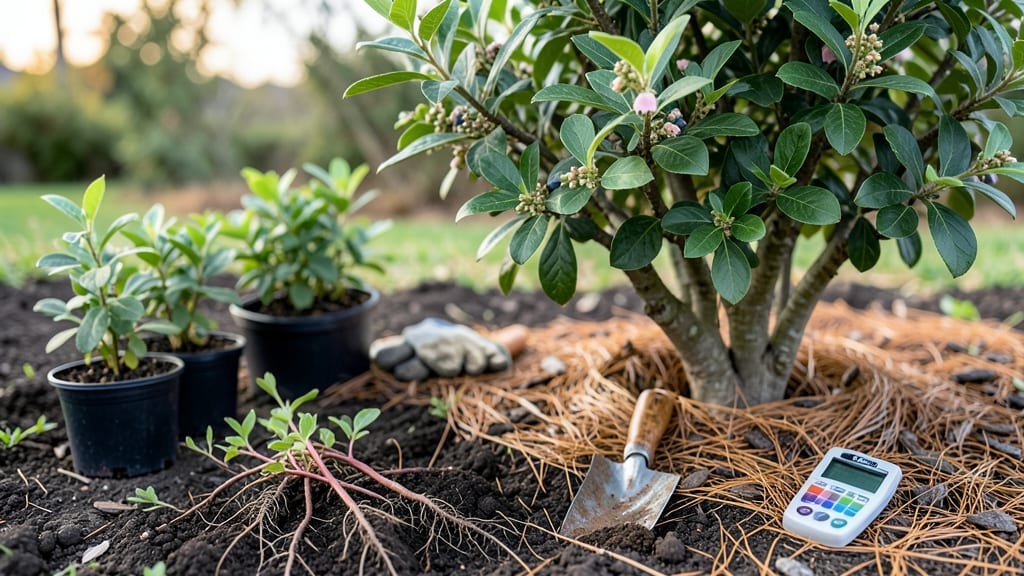
Knowing when to plant blueberries in Zone 8b isn’t just about the calendar—it’s about matching your bushes to the region’s unique chill hours for that perfect harvest. If you’ve ever planted them only to watch your bushes struggle or produce sparse fruit, you’re not alone.
The key lies in understanding how varieties like 'Climax' or 'Bluecrop' thrive in your area’s 700-1,000 chill-hour range, which can make or break your yield.
Zone 8b’s mild winters mean traditional timing won’t cut it—fall or late winter/early spring planting both work, but with critical differences.
I’ll walk you through the exact windows (like February-March for bare-root plants) and why soil prep, like adjusting pH to 4.5-5.5, is just as important as the date on your calendar. Skip this step, and even the hardiest bushes will fight you.
What you’ll discover here is how to turn your Zone 8b garden into a blueberry powerhouse—no guesswork, just science-backed strategies. We’ll cover variety selection, frost avoidance, and even how mulching can protect your bushes from summer heatwaves.
Ready to grow sweeter, more abundant berries than you’ve ever seen? Let’s get started.
From chill-hour charts to pro tips for avoiding common pitfalls, this guide cuts through the confusion so you can plant with confidence. Whether you’re a first-time grower or a seasoned gardener tweaking your approach, these insights will help you maximize your harvest in Zone 8b’s tricky climate.
Your future blueberry pancakes will thank you.
Best planting window for blueberries in Zone 8b: chill-hour requirements explained
Zone 8b presents a unique challenge for blueberry growers because its 700-1,000 chill hours fall in a gray area between Northern and Southern Highbush varieties. The key is selecting varieties that match your specific microclimate's chill accumulation, which typically occurs between November and March.
Planting at the right time ensures your bushes break dormancy properly and enter their active growth phase when temperatures stabilize.
Most gardeners in Zone 8b achieve the best results by planting bare-root blueberries in late winter (February-March) or container-grown bushes in early fall (October-November). This timing allows roots to establish before summer heat stress while giving plants enough time to harden off before winter.
For container plants, fall planting gives roots a head start before dormancy sets in.
Here’s why timing matters: Blueberries need 4-6 weeks of root establishment before their first flush of growth. Planting too early (like January) risks frost damage, while planting too late (after March) may stress plants during summer’s peak heat.
Your goal is to align planting with soil temperatures above 40°F and frost-free forecasts.
| Planting Time | Best For | Chill Hours Needed | Soil Temp Requirement |
|---|---|---|---|
| Late Winter (Feb-Mar) | Bare-root plants | 700-1,000 hours | 40°F+ |
| Early Fall (Oct-Nov) | Container-grown bushes | 600-900 hours | 50°F+ |
| Spring (April) | Emergency planting | 500+ hours | 55°F+ |
🌱 Pro Tip: Test your soil’s chill hours using a chill-hour calculator or local extension service data for precision.
For Zone 8b, Southern Highbush varieties like 'Peach Sorbet' (500-600 chill hours) or 'Southern Snap' (600-700 chill hours) are ideal because they require fewer chill hours than Northern Highbush types. These varieties also handle heat waves better and produce fruit earlier in the season.
If you experience warmer winters with inconsistent chill, consider Rabbiteye varieties like 'Climax' (600-800 chill hours), which are more drought-tolerant.
Before planting, prepare your soil by amending it with peat moss or sulfur to lower the pH to 4.5-5.5. Blueberries are acid-loving plants, and improper pH can stunt growth or prevent fruiting.
Mix in composted pine needles or sphagnum peat to maintain acidity long-term. Avoid fresh manure, which raises pH and burns roots.
After planting, mulch with pine straw or wood chips to retain moisture and regulate soil temperature. Keep mulch 2-3 inches away from the stem to prevent rot. Water deeply 2-3 times per week during the first growing season, focusing on root zone hydration.
Avoid overhead watering, which can spread fungal diseases like botrytis blight.
Monitor your bushes closely during their first year. Look for signs of new leaf growth in spring and bud formation in late summer. If growth stalls, it may indicate insufficient chill hours or poor soil conditions.
Adjust care accordingly—perhaps your variety needs a warmer microclimate or additional acidic fertilizer.
Remember, blueberries in Zone 8b thrive when planted at the right time with the right variety. By matching chill-hour requirements and preparing your soil properly, you’ll set your bushes up for years of abundant harvests.
Patience is key—it may take 2-3 years for mature fruit production, but the wait is worth it for those juicy, antioxidant-rich berries! 🫐
Best planting window for blueberries in Zone 8b: chill-hour requirements explained
Zone 8b's 700-1,000 chill hours make timing critical for blueberry success. Planting too early risks frost damage, while late planting may delay fruit production. The ideal window is late winter to early spring (February-March), when soil thaws but frost threats subside.
For bare-root plants, aim for February—roots establish before buds break. Container-grown bushes tolerate spring planting until April, but avoid summer heat stress. Zone 8b's warm winters mean traditional Northern Highbush varieties often fail—opt for Southern Highbush or Rabbiteye types instead.
| Planting Time | Chill-Hour Needs | Soil Prep | Best Varieties |
|---|---|---|---|
| Late Winter (Feb) | 700-900 hrs | pH 4.5-5.5, compost | Peach Sorbet, Climax |
| Early Spring (Mar-Apr) | 600-800 hrs | Well-draining, acidic | Premier, Top Hat |
| Fall (Oct-Nov) | 500-700 hrs | Mulch heavily | Southern Highbush |
Prepare soil 4-6 weeks before planting by amending with peat moss or sulfur to maintain acidity. Test pH—blueberries won't thrive above 5.5. In Zone 8b, spring planting gives bushes time to establish roots before summer heat arrives, while fall planting risks winter stress.
After planting, mulch with pine needles to retain moisture and acidify soil naturally. Water deeply twice weekly for the first month, then taper to once weekly once established. Avoid overhead watering to prevent fungal diseases like botrytis, common in humid Zone 8b summers.
For container growing, use acidic potting mix and plant in March-April to avoid heat stress. Containers dry faster—water every 2-3 days during summer. Zone 8b's long growing season means you can harvest twice yearly with proper variety selection.
Monitor your microclimate—some Zone 8b areas experience earlier last frosts (January) or later first frosts (December). Adjust planting dates accordingly, and consider row covers for early spring protection if frost threatens.