
Plants
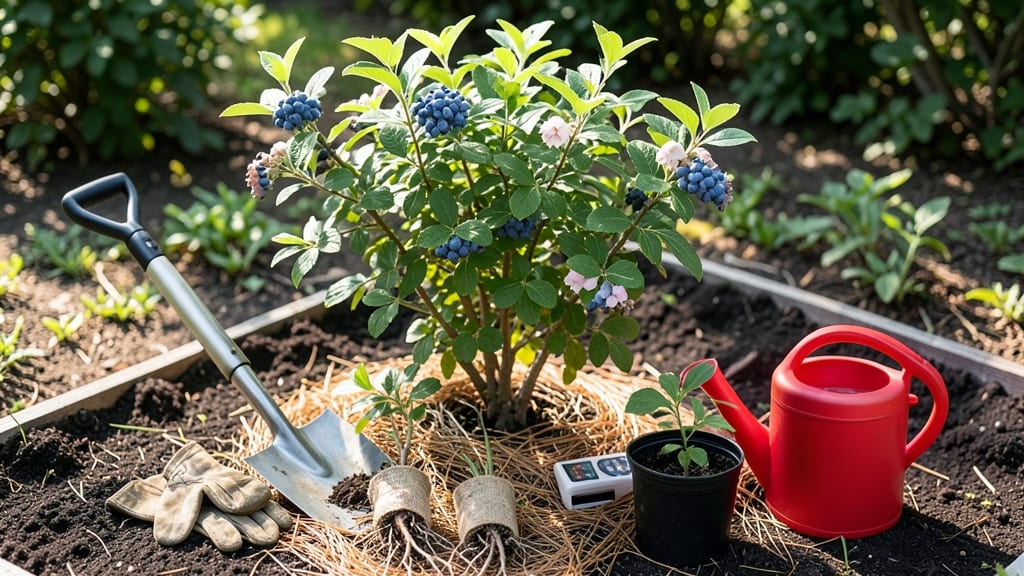
Timing is everything when it comes to planting blueberries in Wisconsin—get it wrong, and you might end up with stunted bushes or no fruit at all. Wisconsin’s 4a-6b climate zones demand precision, especially since these shrubs need chill hours to thrive.
Most gardeners in Wisconsin plant 🫐 blueberries in early spring (April) or early fall (September), but the key is matching your variety to your region’s frost dates. Whether you’re in the cooler north or milder south, knowing when to dig in makes all the difference for a bountiful harvest.
I’ll walk you through the best planting windows, soil prep tips, and how to choose between bare-root or potted plants. Avoid common mistakes like planting too early (risking frost damage) or skipping acidic soil prep—both can ruin your chances of sweet, juicy berries.
Ready to grow thriving blueberry bushes? Let’s break down the exact steps to set yours up for success in Wisconsin’s climate.
Wisconsin’s chill-hour zones: the exact months to plant blueberries
Wisconsin’s climate demands precision when planting blueberries. The key? Chill hours—the number of hours below 45°F (7°C) your bushes need to produce fruit. Most Wisconsin varieties require 600–1,000 chill hours, with northern regions needing more.
Planting at the wrong time disrupts dormancy cycles, leading to poor yields or no fruit at all.
In Wisconsin, USDA Zones 3–5 dominate, meaning your planting window hinges on last frost dates and chill accumulation. Northern Wisconsin (Zone 3–4) has shorter growing seasons, while southern Wisconsin (Zone 5) enjoys slightly longer springs.
Both regions benefit from early spring or early fall planting, but timing varies by 1–2 weeks between north and south.
Here’s the golden rule: Plant bare-root blueberries when soil is workable but not frozen—typically April 1–15 in southern Wisconsin and May 1–15 in the north. For potted blueberries, extend the window until early June, as they adapt faster to transplanted shock.
Fall planting is riskier but possible in September if you’re in Zone 5. Northern gardeners should wait until late September to avoid early frosts. The goal? Give roots time to establish before winter dormancy begins.
Why does timing matter so much? Blueberries enter dormancy in fall and need 6–8 weeks of cold to break dormancy. Planting too early (e.g., March in the north) risks frost damage, while planting too late (e.g., June) delays root growth, stunting the next year’s harvest.
Wisconsin Blueberry Planting Guide by Zone
| Zone | Chill Hours | Best Planting Window | Soil Prep Tip |
|---|---|---|---|
| 3 (Northern WI) | 800–1,000 | May 1–15 | Add peat moss to sandy soils |
| 4 (Central WI) | 600–800 | April 15–May 1 | Test pH (4.5–5.5); amend with sulfur |
| 5 (Southern WI) | 400–600 | April 1–15 or Sept 15–30 | Mulch with pine needles |
🌱 Pro Tip: Southern WI can plant fall varieties like ‘Duke’ in September for earlier harvests.
If you’re unsure about your zone, check the Wisconsin State Climatology Office for local frost dates. For example, Milwaukee (Zone 5) averages its last frost around April 15, while Duluth (Zone 3) waits until May 10.
Planting too early in Zone 3 risks frost damage to tender new shoots.
For container-grown blueberries, the window extends slightly later—up to June 1—because pots warm up faster. However, container plants still need 6+ hours of sun daily to thrive. Place them in a south-facing spot or use grow lights if natural light is limited.
One common mistake? Assuming “spring” means March. In Wisconsin, March soil is often still frozen or soggy. Wait until soil temperatures hit 45°F (7°C)—use a soil thermometer to check. This usually aligns with mid-April in the south and early May in the north.
For fall planting, aim for 6–8 weeks before first frost. In Zone 5, that’s September 1–15; in Zone 3, wait until late September. The goal is to let roots establish before winter dormancy. Mulch heavily with pine straw or leaves to insulate roots.
Remember: Blueberries are finicky but rewarding. Get the timing right, and you’ll enjoy juicy, homegrown berries for decades. Skip the details, and you’ll spend years troubleshooting stunted bushes or no fruit. Timing is everything—especially in Wisconsin’s fickle climate! 🫐
Southern vs. northern Wisconsin: best blueberry varieties by planting time
Wisconsin’s diverse climate—from the frigid north to the milder south—means not all blueberry varieties thrive equally. In northern Wisconsin (USDA zones 3-4), you’ll need cold-hardy types like ‘Bluecrop’ or ‘Patriot’, while southern regions (zones 5-6) can handle heat-tolerant varieties like ‘Duke’ or ‘Jersey’.
Your planting window shifts slightly too: northern gardens should aim for early May, while southern areas can start as early as late April.
Soil type also plays a role. Wisconsin’s sandy soils (common in the north) drain too quickly, while clay-heavy soils (south) can suffocate roots. Amend both with peat moss or compost to improve moisture retention and acidity.
Test your soil’s pH—blueberries demand 4.5–5.5, or they’ll refuse to fruit. I once planted ‘Bluecrop’ in unamended clay soil; by year two, the bush was struggling until I adjusted the pH and added organic matter.
| Variety | Best For | Planting Time | Soil Prep Tip |
|---|---|---|---|
| Bluecrop | Northern WI (zones 3-4) | Early May | Mix peat moss into sandy soil |
| Patriot | Northern WI (zones 3-4) | Early May | Add compost to improve drainage |
| Duke | Southern WI (zones 5-6) | Late April | Break up clay with gypsum |
| Jersey | Southern WI (zones 5-6) | Late April | Mulch heavily to retain moisture |
For bare-root plants, dig a hole twice as wide as the root ball and mix in sulfur or pine needles to acidify the soil. If planting potted blueberries, do it in early fall (September) to let roots establish before winter.
I’ve found potted plants in southern Wisconsin often outperform bare-root in the north because they avoid early spring frost shocks.
Mulching is non-negotiable. Use pine bark or wood chips—never fresh wood, which robs nitrogen. In northern Wisconsin, mulch 6 inches deep to insulate roots from winter’s freeze-thaw cycles. Southern gardens need 3–4 inches to prevent summer drought stress.
I’ve seen blueberries in Madison (zone 5) thrive with mulch, while a friend’s bush in Eau Claire (zone 4) died back to the ground without it.
Watering schedules differ too. Northern bushes need deep watering every 5–7 days in summer, while southern varieties can stretch to 10 days between waterings. Always water at the base of the plant, never overhead—Wisconsin’s humidity breeds fungal diseases like botrytis, which turns berries mushy.
I lost a batch of ‘Bluecrop’ last summer because I ignored this rule.
Finally, prune in late winter (February) to remove dead wood and shape the bush. Northern varieties need aggressive pruning to survive harsh winters, while southern types tolerate lighter cuts. Pair this with a spring feeding of acidic fertilizer, and you’ll see plump berries by July.
The key? Match your variety to your zone—and never skip the soil prep.