
Plants
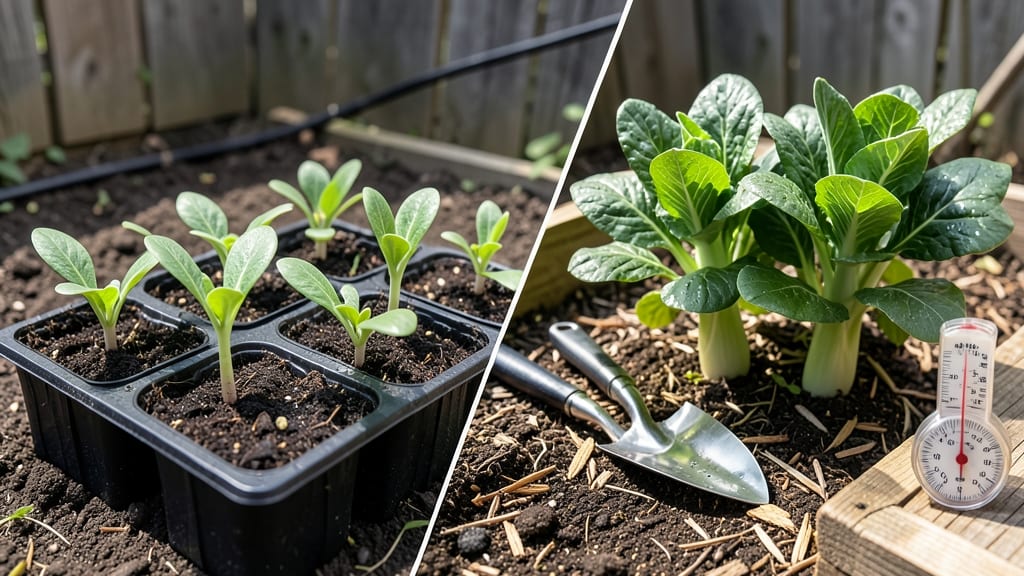
If you're wondering when to plant bok choy in Zone 9, the answer isn't just about seasons—it's about mastering the delicate balance between heat and cool weather to keep your 🥬 thriving.
Zone 9 gardeners have a unique advantage with its frost-free winters, but timing your bok choy just right means avoiding the summer heat that can send your plants bolting before they even mature.
Fall is your golden window for planting bok choy in Zone 9, but don't overlook winter's potential. The key is starting seeds in September for a harvest before the New Year or in December for a fresh spring crop.
With the right schedule, you can enjoy crisp, tender bok choy straight from your garden for months—without the risk of heat stress or frost damage.
What makes bok choy so finicky in Zone 9? It's all about temperature. Too hot, and your plants will bolt faster than you can say "stir-fry." Too cold, and they'll slow down or develop bitter flavors.
I'll show you exactly how to navigate these challenges, so you can plant with confidence and enjoy a steady supply of homegrown greens.
Ready to grow bok choy like a pro? Let's break down the perfect planting calendar, soil prep tips, and even the best varieties for Zone 9's unique climate. You'll be harvesting in no time!
Best bok choy planting times in Zone 9 for fall harvests
Zone 9’s mild winters and warm falls create perfect conditions for bok choy, but timing your plantings is critical. Unlike cooler climates, you can grow this cool-season crop year-round—just avoid the hottest summer months (June-August) when temperatures exceed 80°F and trigger bolting.
The ideal window spans September through February, with peak harvests occurring from October to April.
For the most consistent yields, focus on early fall and winter plantings. Bok choy thrives in 60-75°F soil temperatures, making late summer (August) and early spring (March) marginal at best. In Southern California’s coastal areas, you might even squeeze in a late-winter harvest before summer heat sets in.
Here’s the breakdown of your Zone 9 planting calendar for maximum success:
| Season | Planting Window | Soil Temp (°F) | Harvest Window | Key Tip |
|---|---|---|---|---|
| Early Fall | September 15 - October 15 | 65-75°F | October 30 - December 15 | Use shade cloth if temps exceed 78°F |
| Winter | November 1 - December 31 | 60-70°F | December 15 - March 15 | Cold-hardy varieties like 'Baby Bok Choy' excel |
| Late Winter | January 15 - February 28 | 62-72°F | March 1 - April 15 | Succession plant every 3 weeks for continuous harvests |
In coastal Zone 9 (e.g., San Diego, Santa Barbara), you can push your fall planting into early August if you provide afternoon shade. Inland areas like Los Angeles or Riverside should wait until mid-September to avoid heat stress.
Always check your local last frost date—though Zone 9 rarely sees frost, unexpected 32°F nights can occur in high desert areas.
For year-round production, I recommend staggering plantings every 3-4 weeks from September through February. This ensures a steady supply of baby bok choy and mature heads without gaps. Use shade cloth (30-50%) during summer to protect seedlings if you attempt early plantings.
One common mistake is planting too deeply or too shallowly. Bok choy seeds should be sown ½ inch deep and spaced 6-12 inches apart, depending on the variety. Overcrowding leads to bolting or stunted growth, while sparse plantings waste garden space.
To prevent bitterness in hotter months, choose shade-tolerant varieties like 'Toy Choy' and water deeply in the morning to keep roots cool. Mulch with straw or compost to maintain even soil moisture—this is especially critical in Zone 9’s dry spells.
Finally, remember that bok choy matures quickly (30-60 days). Plan your harvest schedule around your cooking needs—young leaves can be picked in as little as 25 days, while full heads take closer to 45-50 days.
This rapid growth makes it perfect for succession planting in Zone 9’s extended growing season.
Best bok choy planting times in Zone 9 for fall harvests
Zone 9 gardeners have a unique advantage with bok choy—no frost to worry about! But the heat is your real enemy, causing plants to bolt before they mature. The ideal temperature range for bok choy is 60-75°F, making fall and winter your best planting windows.
Start seeds in September for a harvest by December or in December for a spring crop.
For Southern California, aim for these key planting dates: late August to early October for fall crops and November to January for winter harvests. Coastal areas can extend planting slightly later due to milder microclimates.
Remember, bok choy grows fastest in cool weather, so avoid summer planting unless you use shade cloth.
Here’s how to align your planting with Zone 9’s seasonal shifts:
| Season | Planting Window | Temperature Range | Harvest Time | Key Tip |
|---|---|---|---|---|
| Early Fall | Late August - Early October | 65-75°F (cooler evenings) | October - December | Use shade cloth if temps exceed 80°F |
| Winter | November - January | 55-65°F (ideal growth) | January - March | No frost risk; focus on soil moisture |
| Late Winter | February - Early March | 60-70°F (spring warming) | March - April | Watch for early heat spikes |
Bolting is the biggest risk in Zone 9. To prevent it, avoid planting during summer months (June-August) when temperatures often exceed 85°F. Instead, use shade cloth (30-50% shade) if you must plant in late summer.
Bok choy also hates soggy soil, so ensure your garden bed has well-draining soil with a pH between 6.0-7.0.
For a continuous harvest, try succession planting every 2-3 weeks from September through January. This ensures you always have young, tender bok choy ready to pick. Space seeds 1 inch apart in rows 12-18 inches apart for optimal air circulation and growth.
Pro tip: Direct sowing works best in Zone 9, but you can also transplant seedlings if you start them indoors under grow lights. Just be gentle with the roots—they’re delicate! With the right timing, you’ll enjoy crisp, sweet bok choy straight from your garden for most of the year.