
Plants
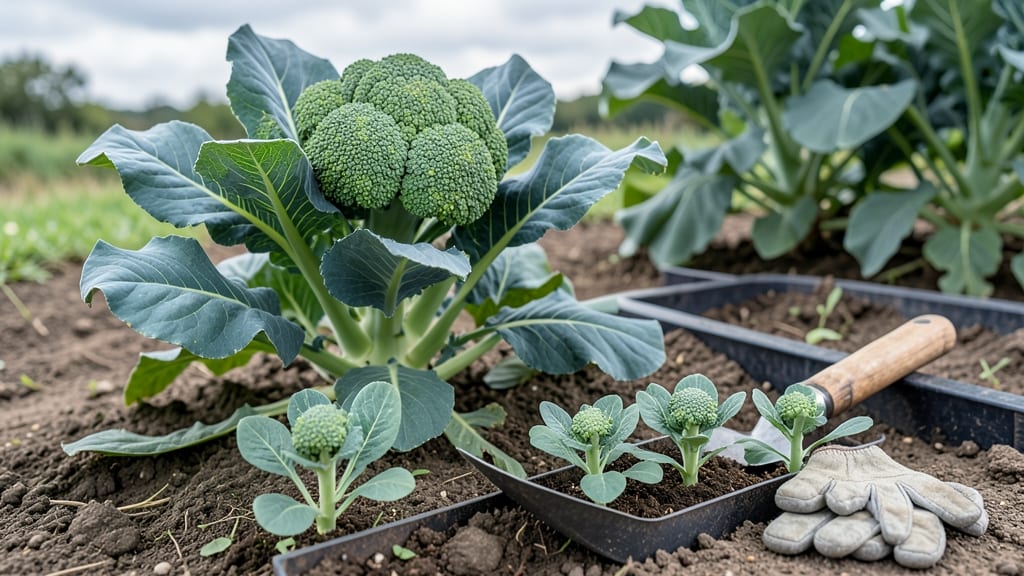
Planting broccoli at the wrong time in Indiana can mean the difference between a bountiful harvest and wasted effort.
The key isn't just about throwing seeds in the ground—it's about understanding your USDA 5b-6b climate and when those cool spring nights give way to heat that sends your 🥦 bolting before you can enjoy it.
Most gardeners here make one of two mistakes: planting too early when soil temps are still chilly, or waiting too long and missing the sweet spot before summer's heat arrives.
The truth? Broccoli thrives when you give it a 40-60°F soil head start in early spring or a late-summer escape from Indiana's summer swelter.
What if I told you there's a two-season strategy that works perfectly for our region? You can plant in March-April for that first harvest window, then again in August-September to stretch your growing season right into fall.
The secret lies in timing your starts so they mature before frost hits in October.
Let me walk you through exactly when to plant, how to prepare your soil, and which varieties hold up best in Indiana's unpredictable weather. By the end, you'll know the precise windows that separate successful harvests from bitter disappointment.
Best planting windows for broccoli in Indiana’s climate zones (5-6)
Indiana’s USDA zones 5b-6b offer two prime windows for growing broccoli: early spring and late summer. The key is planting when soil temperatures hover around 40°F—ideal for cold-hardy starts.
In my Zone 6a garden, I’ve found that March and August are the sweet spots, but microclimates can shift these dates by 2-3 weeks.
For spring planting, aim to sow seeds 4-6 weeks before your last frost date (typically April 15 in most of Indiana). This gives seedlings time to establish roots before warmer weather triggers bolting.
In southern Indiana, you might start as early as mid-February under row covers, while northern Indiana gardeners should wait until late March.
Fall planting is equally critical for a second harvest before frost. Seed broccoli 90-120 days before your first frost date (usually mid-October). This means sowing in late August for most of the state, with northern Indiana pushing to early September for a late fall crop.
Here’s my go-to planting timeline for Indiana:
| Season | Planting Window | Soil Temp | Key Notes |
|---|---|---|---|
| Spring | March 15–April 15 | 40–50°F | Use row covers if frost threatens; avoid bolting with shade cloth. |
| Fall | August 1–September 1 | 45–60°F | Choose fast-maturing varieties (e.g., ‘De Cicco’) for late harvests. |
| Succession | Every 2 weeks | 40–50°F | Extend harvests with staggered plantings every 10–14 days. |
Indiana’s variable spring weather can throw off even the best-laid plans. I’ve learned to monitor soil temperatures closely—broccoli seeds won’t germinate well below 40°F. Use a soil thermometer to confirm readiness, especially in northern Indiana, where cold snaps linger.
For southern Indiana, warmer microclimates near rivers or urban areas may allow earlier plantings.
Another pro tip: Direct sowing in spring often outperforms transplants because seedlings struggle with transplant shock in cool soils. However, for fall crops, transplants give you a head start. I order my 6-week-old seedlings from local nurseries in July to harden them off before August planting.
Don’t overlook maturity zones when selecting varieties. Indiana’s growing season ranges from 120 days in the north to 150 days in the south. For spring, choose 50–60-day varieties like ‘Waltham 29’; for fall, opt for 70–80-day varieties like ‘Calabrese’ to beat frost.
Finally, succession planting is your secret weapon. By sowing new seeds every 2 weeks from March through May, you’ll enjoy a continuous harvest through July. Repeat this in August for a fall crop, and you’ll have broccoli on the table from June to November.
🌱
How to prevent bolting in Indiana’s unpredictable spring weather
Indiana’s spring weather is famously fickle—one day you’re dodging late frosts, and the next, temperatures soar into the 70s. For broccoli, this volatility is a recipe for bolting, where plants prematurely flower and become bitter. The key to avoiding this is strategic timing, shade management, and variety selection. Let’s break down how to keep your broccoli focused on growing heads instead of seeds.First, choose bolt-resistant varieties like ‘Waltham 29’ or ‘Packman’, which handle Indiana’s temperature swings better than others. These varieties are bred to tolerate cooler soils and slower warming trends. Pair them with succession planting: instead of sowing all your seeds at once, stagger them every 2 weeks.
This ensures a steady harvest and spreads out the risk of heat stress.
Next, monitor soil temperatures. Broccoli thrives in soil that stays below 40°F for early starts. Use a soil thermometer to check—if temps rise above 50°F before your plants are established, they’ll bolt faster.
In Indiana’s USDA Zones 5b-6b, this often happens by mid-April. If your soil warms too quickly, consider delaying planting or using black plastic mulch to keep roots cool.
Shade cloth is your secret weapon against Indiana’s sudden heat spikes. A 30-50% shade cloth can drop temperatures by 10-15°F, giving your broccoli the stable conditions it craves. Install it as soon as seedlings emerge and remove it once heads form.
For extra protection, plant in partial shade near taller crops like corn or sunflowers, which provide natural shade during peak afternoon heat.
Watering plays a critical role too. Consistent moisture prevents stress-induced bolting. Let the top 1-2 inches of soil dry slightly between waterings, but never let it become bone-dry. In Indiana’s spring, this might mean watering every 1-2 days, especially if rains are sparse.
Use drip irrigation or soaker hoses to deliver water directly to the roots, avoiding wetting the leaves (which can invite fungal diseases like downy mildew).
Finally, watch for heat stress signs like yellowing leaves or elongated stems—these are early warnings. If you spot them, provide afternoon shade immediately and consider applying a light layer of mulch (straw or grass clippings) to insulate the soil.
For container-grown broccoli, move pots to a shadier spot or elevate them off the ground to improve airflow and cool roots.
By combining the right varieties, shade strategies, and watering discipline, you’ll outsmart Indiana’s spring whims and enjoy tight, flavorful heads instead of bitter stalks. The effort pays off with a harvest that rivals your fall crop—without the late-season rush.
🚨 Bolt Alert!
If your broccoli starts sending up flower stalks, it’s too late to save the main head—but you can still harvest the side shoots for smaller florets. To prevent future bolting, switch to fall planting or try cool-season varieties like ‘De Cicco’ for next spring.
Pro tip: Keep a gardening journal to track when bolting occurs in your garden. Note the air and soil temperatures, rainfall patterns, and any shade changes. Over time, you’ll spot trends and refine your timing for even better results.
Indiana’s weather may be unpredictable, but with these tactics, you’ll stay one step ahead.