
Plants
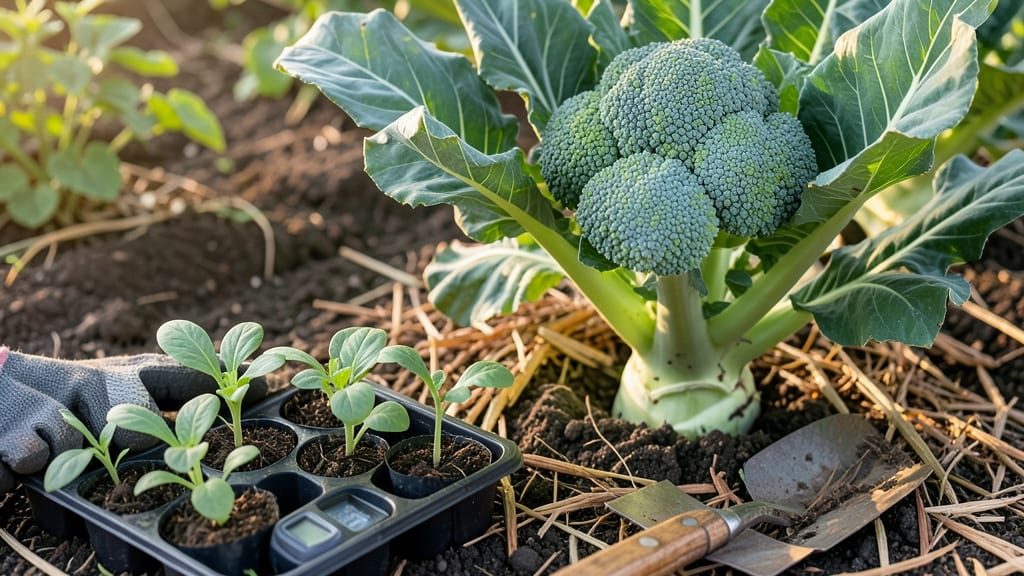
If you’ve ever planted 🥦 broccoli in Northern California only to watch it bolt into bitter flowers before harvest, you’re not alone—timing is everything. The key isn’t just avoiding frost; it’s mastering the delicate balance between cool coastal breezes and inland heat waves that can turn your crop into disappointment.
Here’s the game-changer: Planting 🥦 broccoli in late August or early September for a fall harvest, or February to early March for spring, aligns perfectly with Northern California’s 8a-9b zones.
But coastal fog near San Francisco demands a slightly earlier start than Sacramento’s inland heat, where even a few extra degrees can trigger bolting.
I’ll break down the exact frost-date triggers, variety-specific tweaks, and the 5 critical mistakes that sabotage harvests—so you can grow broccoli that stays sweet, not sorry. Let’s get those plants in the ground at the perfect moment.
Whether you’re a coastal gardener or inland farmer, these insights will help you sidestep common pitfalls and enjoy a bountiful harvest. Ready to transform your garden from guesswork to green thumbs?
Northern California broccoli planting calendar by frost zones (8a-10a)
Northern California’s diverse microclimates mean your San Francisco garden has different frost triggers than Sacramento’s Central Valley. Coastal areas (USDA zones 8a-9a) experience milder winters, while inland zones (9b-10a) face earlier heat stress.
To avoid bitter bolts, we’ll break down planting windows by region and frost dates.
For coastal gardens (e.g., San Francisco, Santa Rosa), the first frost typically arrives December 1-15, while inland areas (Sacramento, Stockton) see frost by November 15-30. Your planting schedule should align with these dates to maximize harvest windows before summer heat sets in.
🌱Key rule: Plant broccoli transplants 8-10 weeks before your first frost for fall harvests, or 4-6 weeks before your last frost (around February 15) for spring crops.
| Region | USDA Zone | First Frost | Fall Planting Window | Spring Planting Window | Harvest Time |
|---|---|---|---|---|---|
| Coastal (SF, Santa Rosa) | 8a-9a | Dec 1-15 | Late Aug - Early Sept | Feb 15 - March 15 | Oct - Nov (fall), April - May (spring) |
| Inland (Sacramento, Stockton) | 9b-10a | Nov 15-30 | Mid-Aug - Early Sept | Feb 1 - March 1 | Sep - Oct (fall), March - April (spring) |
| Mountain (Lake Tahoe) | 7b-8a | Oct 15 - Nov 1 | Early July - Mid-Aug | April 15 - May 1 | Aug - Sep (fall), May - June (spring) |
My coastal garden in Santa Cruz thrives with fall broccoli planted in late August. The foggy marine layer delays heat stress, giving plants time to mature before summer returns. In contrast, my friend in Sacramento plants two weeks earlier to beat the Central Valley heat.
For spring planting, aim to get seeds in the ground 4-6 weeks before your last frost date. In Northern California, this typically means February 15-March 15 for most regions. Use row covers if nights are still chilly to protect young plants from light frost damage.
💡Pro tip: Succession plant every 2-3 weeks in spring for a continuous harvest. This works especially well in milder coastal zones where summer heat arrives later.
If you’re in a transition zone (e.g., Bay Area foothills), err on the side of earlier planting. These areas experience hotter inland microclimates even when coastal zones remain cool. Monitor your local weather station for soil temperature trends—broccoli prefers 45-85°F soil temps.
🌿Remember: Overheating is broccoli’s #1 enemy. In Zone 10a areas like Riverside, avoid planting after March 15 unless you use shade cloth to protect plants from 90°F+ temperatures.
5 Critical mistakes that cause broccoli to bolt in northern CA (and how to avoid them)
Northern California’s unpredictable heat spikes—especially in the Central Valley and Bay Area—can send your broccoli into premature bolting. The top mistake? Planting too late in spring (after March 15) when daytime temps creep above 75°F.
Broccoli perceives heat as a signal to flower, turning your tender heads into bitter stalks before harvest.
Another common pitfall is overcrowding seedlings. When plants compete for nutrients, they stress and bolt faster. In coastal areas like Santa Cruz, this happens when gardeners plant 18-inch spacing instead of the 24-inch minimum broccoli needs.
Thin early to avoid this—your plants will thank you with larger, sweeter heads.
Late Spring Planting
Planting after March 15 in inland zones (9b+) risks bolting. Solution: Use shade cloth (30-50%) or opt for heat-tolerant varieties like 'De Cicco'.
Poor Soil pH
Broccoli needs pH 6.0-7.0. Solution: Test soil and amend with lime (to raise pH) or sulfur (to lower pH) before planting.
Inconsistent Watering
Fluctuating moisture stresses plants. Solution: Water deeply 2-3x/week and mulch with 2-3 inches of straw to retain moisture.
Skipping succession planting is another silent bolt-inducer. If you plant all your broccoli at once in fall (September), you’ll either harvest too early (before heads form) or too late (after frost). Instead, stagger plantings every 2-3 weeks for a continuous harvest window from October to May.
Don’t ignore soil fertility, either. Broccoli needs consistent nitrogen to build heads, but too much can cause leafy growth at the expense of florets. Use a balanced 10-10-10 fertilizer every 4-6 weeks during active growth, but reduce in late summer to prevent bolting.
Finally, coastal fog can trick gardeners into thinking it’s safe to plant later. While San Francisco’s fog delays frost, it also slows growth. If you’re in Zone 8a, plant your last fall batch by September 15—not October 1—to avoid stunted heads.
Time your harvest before the December 1 first frost average.
Pro tip: Monitor your local microclimate with a soil thermometer. Broccoli bolts when soil temps hit 80°F. If your garden hits this in late April, switch to fast-maturing varieties like 'Calabrese' (58 days to harvest) to beat the heat.