
Plants
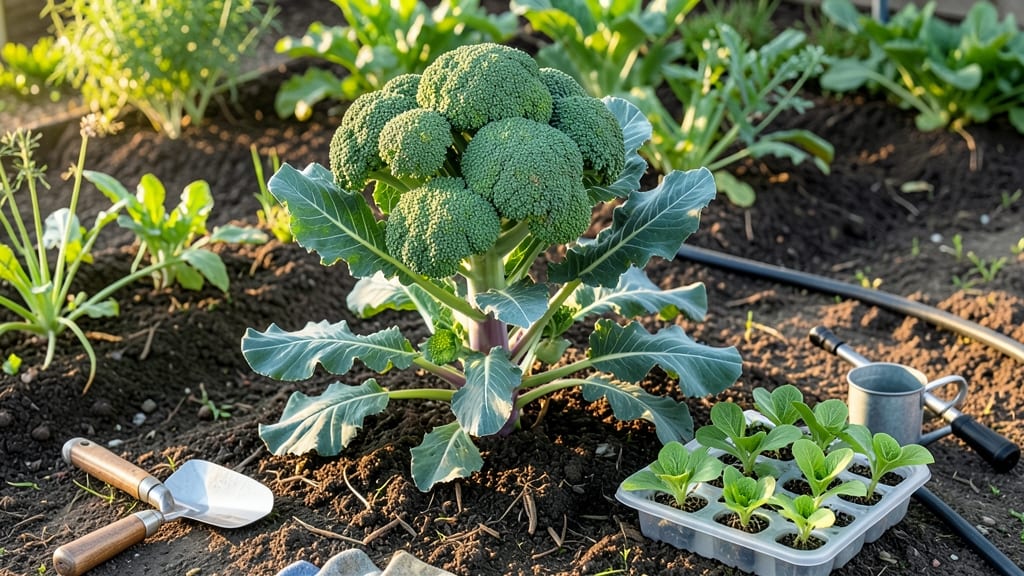
Knowing when to plant broccoli in Wisconsin can make or break your harvest—especially when frost sneaks in earlier than expected. Wisconsin’s Zone 5a-5b climate demands precision, and getting the timing wrong means either bolting plants or stunted growth.
I’ve grown 🥦 broccoli here for years, and the difference between a thriving garden and a failed crop often comes down to planting 4-6 weeks before the last frost.
Spring plantings need to start in mid-April, while fall crops should go in by early August to mature before the first frost hits.
But here’s the catch: Wisconsin’s microclimates vary wildly—even just 20 miles can shift your frost dates by a week. I’ll break down the exact windows, frost-resistant varieties, and soil prep tricks to ensure your broccoli thrives from June through October.
Ready to avoid the common mistakes that leave Wisconsin gardens empty-handed? Let’s dive into the frost-free timeline that’ll give you a steady harvest all season long.
Wisconsin broccoli planting calendar: exact dates by Zone 5a-5b
Wisconsin’s Zone 5a-5b climate demands precision when planting broccoli. The key is avoiding late spring frosts while maximizing the 165-day frost-free window. Most regions experience their last frost between April 15-30, but southern Wisconsin (like Madison) can push planting back to mid-May safely.
For a spring harvest, start seeds indoors 4-6 weeks before your last frost date. In Wisconsin, this means mid-March to early April for most gardeners. Transplant seedlings outdoors 2-3 weeks before the last frost, typically late April to early May.
Broccoli thrives in cool weather but bolts (goes to seed) when temperatures exceed 80°F. That’s why fall planting often yields better results. Aim to sow seeds 10-12 weeks before the first frost (usually late July to early August), giving you a September-October harvest before winter sets in.
Here’s the exact planting timeline tailored to Wisconsin’s microclimates, including soil temperature thresholds and heat-tolerant varieties to extend your harvest window.
| Planting Window | Zone 5a (Northern WI) | Zone 5b (Southern WI) | Soil Temp Threshold | Heat-Tolerant Variety |
|---|---|---|---|---|
| Spring Direct Sow | Mid-April to May 1 | April 15 to May 10 | 45°F+ (7°C+) | ‘De Cicco’ (70-day) |
| Spring Transplant | Late April to May 15 | May 1 to June 1 | 50°F+ (10°C+) | ‘Calabrese’ (60-day) |
| Fall Direct Sow | July 15 to August 1 | July 30 to August 15 | 55°F+ (13°C+) | ‘Waltham 29’ (55-day) |
| Fall Transplant | August 1 to August 15 | August 10 to September 1 | 60°F+ (16°C+) | ‘Green Magic’ (65-day) |
Northern Wisconsin (Zone 5a) gardeners should prioritize early-maturing varieties like ‘De Cicco’ to avoid bolting. These plants take just 70 days to harvest, fitting neatly into the shorter growing season. In contrast, Zone 5b regions can afford slightly later plantings and longer-season varieties like ‘Calabrese’.
Pro tip: Use row covers to protect seedlings from unexpected late frosts. Even a light frost (28°F) can damage young plants.
In my garden, I’ve used floating row covers to extend the spring season by 2-3 weeks, allowing me to plant broccoli as early as late March in sheltered beds.
For fall plantings, focus on varieties that tolerate cooler autumn temperatures. ‘Waltham 29’ is my go-to because it resists bolting in the heat of late summer and produces compact heads even as temperatures dip. Plant these 8-10 weeks before your first frost to ensure a harvest before winter.
Wisconsin’s clay-heavy soils can slow germination, so I always pre-warm seedbeds with black plastic mulch for 2-3 weeks before planting. This trick raises soil temperatures by 5-10°F, giving seeds the boost they need to sprout consistently.
Remember: Broccoli needs 6-8 hours of sunlight daily, but it’s forgiving about partial shade. In my experience, plants grown in morning sun and afternoon shade produce slightly larger heads and stay cooler during Wisconsin’s hot July afternoons.
How to extend broccoli harvests in Wisconsin’s short growing season
Wisconsin’s cool summers and short frost-free window (about 165 days) can feel like a challenge for broccoli growers.
But with the right strategies, you can enjoy fresh harvests from May through October—even in Zone 5a-5b. The secret? Succession planting, cold-hardy varieties, and protective row covers to shield tender seedlings from late frosts.
Start by choosing heat-tolerant varieties like ‘Waltham 29’ or ‘Calabrese’, which handle Wisconsin’s 75°F+ temperatures better than traditional types. These varieties also resist bolting (premature flowering), a common issue when summer heat arrives too early.
Pair them with succession planting to keep your garden producing long after the first batch matures.
🌱 3-Step Guide to Staggered Broccoli Plantings
- Plant your first batch 4-6 weeks before the last frost date (typically mid-April in Wisconsin). Use row covers for extra protection.
- Sow a second batch 2-3 weeks after the first harvest (around late May). Choose fast-maturing varieties (50-60 days to harvest) to beat summer heat.
- Direct-sow for fall in late July, aiming to harvest before the first frost (mid-October). Use cold frames to extend the season by 2-3 weeks.
Don’t overlook row covers and cold frames—these are game-changers for Wisconsin gardeners. A lightweight floating row cover can raise soil temperatures by 5-8°F, giving seedlings a head start in early spring or late fall. For even more protection, pair row covers with black plastic mulch to warm the soil faster and suppress weeds. Just
If your garden has microclimate variations (like a sunny south-facing slope or a sheltered spot near a fence), take advantage of them. These areas can delay frost damage by 1-2 weeks, giving you extra time to harvest. For example, planting near a brick wall or dark-colored fence can create a warmer microclimate perfect for extending the season.
Finally, harvest strategically to encourage regrowth. After cutting the main head, leave the side shoots (they’ll produce smaller, edible broccoli stems). This tactic can add 3-4 weeks of harvest time per plant.
Pair this with regular watering (1-2 inches per week) and side-dressing with compost every 4 weeks to keep plants productive.
With these techniques, you’ll turn Wisconsin’s short growing season into a continuous broccoli harvest, from the crisp greens of spring to the hearty heads of fall.
The key is planning ahead—just like the old-timers used to say, “A gardener’s success starts in winter” when sketching out your planting schedule. 🌱