
Plants
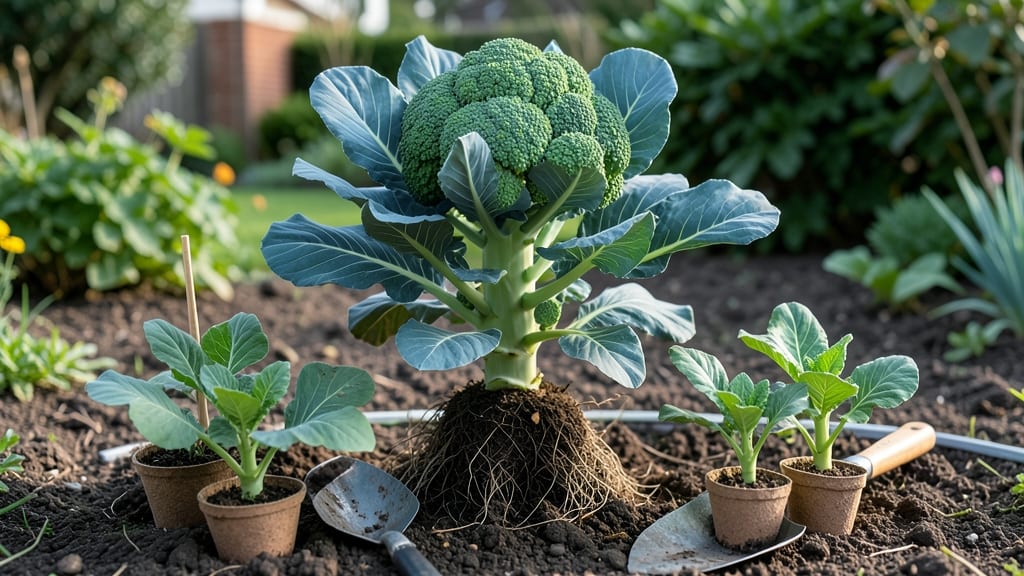
Knowing when to plant broccoli in Zone 7b can mean the difference between a bountiful harvest and a sad, bolted disappointment. This cool-weather crop 🥦 hates heat but thrives when temperatures dip—so timing is everything.
In Zone 7b, where last frosts linger around March 15 and first frosts arrive by November 15, you’ve got two prime windows: early spring (March-April) and fall (August-September). Plant too early, and your broccoli might bolt before forming heads. Too late, and frost will cut your harvest short.
But here’s the good news: with the right varieties and a few smart strategies, you can stretch your growing season and enjoy fresh broccoli from late spring through early fall. I’ll walk you through the exact dates, cold-hardy varieties, and tricks to protect your plants from unexpected chills.
Ready to turn your garden into a broccoli powerhouse? Let’s dive into the secrets of planting broccoli like a pro in Zone 7b.
Best planting windows for broccoli in Zone 7b: fall vs spring timing
Timing your broccoli planting in Zone 7b is all about avoiding two big mistakes: premature bolting from heat and frost damage from early cold snaps.
With an average last frost date of March 15 and first frost around November 15, you’ve got a narrow but productive window to work with. Let’s break down the best times to plant for maximum yields.
Most gardeners in Zone 7b prioritize fall planting because it often outperforms spring. Why? Fall crops benefit from cooler temperatures and avoid the stress of summer heat. However, spring planting can still work if you choose the right cold-hardy varieties and time it perfectly.
Both seasons require careful planning to align with your local microclimate.
For spring planting, aim to sow seeds or transplant seedlings 4-6 weeks before your last frost date. In Zone 7b, that means starting in late February to early March.
Soil temperatures should be at least 40°F (4°C) for seeds to germinate properly. If you’re transplanting seedlings, wait until soil warms to 50°F (10°C) to avoid stunted growth.
Here’s the key: Broccoli grows best when daytime temperatures stay below 75°F (24°C). In Zone 7b, summer heat can cause bolting, so spring-planted broccoli often struggles by June. That’s why many gardeners opt for fall planting instead, which gives them a second harvest before winter sets in.
If you’re planting broccoli in spring, start with direct sowing for the earliest harvests. Sow seeds ¼ inch deep, spacing them 18-24 inches apart in rows 2 feet apart. For transplants, harden off seedlings for 7-10 days before setting them out.
In Zone 7b, this means you can transplant seedlings as early as mid-March, but watch for unpredictable cold snaps—a late frost can devastate young plants.
For fall planting, the goal is to have broccoli mature before hard frosts hit. Plant seeds or transplants 8-10 weeks before your first frost date, which in Zone 7b lands in mid-August to early September.
This timing ensures your broccoli will be ready to harvest in October or November, just before winter sets in. Fall-planted broccoli also benefits from cooler nighttime temperatures, which slows bolting and improves head quality.
Pro tip: Succession planting works well for both seasons. In spring, sow a second batch 2-3 weeks after your first planting to extend your harvest. In fall, you can even squeeze in a third planting in late July for a late-season harvest.
Just be prepared to use row covers to protect young plants from unexpected early frosts.
One common mistake in Zone 7b is planting broccoli too late in spring, only to see it bolt before you can harvest. If you miss the spring window, don’t worry—fall is your backup.
And if you’re really eager for fresh broccoli, consider container gardening on a patio or balcony. Containers warm up faster in spring and can be moved to protect from late frosts.
Remember, soil temperature is just as critical as air temperature. Use a soil thermometer to confirm your soil is ready before planting. If your soil is still too cold, wait a few more days or use black plastic mulch to warm it up faster.
With the right timing and a little patience, you’ll be enjoying homegrown broccoli straight from your Zone 7b garden!
Best planting windows for broccoli in Zone 7b: fall vs spring timing
In Zone 7b, broccoli grows best during cooler months—either early spring or late summer/fall. The key is avoiding heat stress (which causes bolting) and early frosts (which stunt growth).
For my garden, I’ve found fall planting often outperforms spring because summer heat is less intense by harvest time.
Zone 7b’s average last frost date is around March 15, while the first frost typically arrives by November 15. This gives us a 200-day frost-free window—perfect for two broccoli crops if timed correctly.
Spring plantings should start 4-6 weeks before last frost, while fall crops need 8-10 weeks before first frost to mature.
| Season | Planting Window | Method | Harvest Window |
|---|---|---|---|
| Spring | March 1 - April 15 | Transplant or direct sow | May 15 - June 30 |
| Fall | August 1 - September 15 | Transplant or direct sow | October 1 - November 10 |
For direct sowing, I wait until soil temperatures reach 40°F+ (use a soil thermometer!) and sow seeds ½ inch deep. Transplants, however, can go in 2-3 weeks earlier since they’re already established.
In my experience, transplants give a 2-week head start over direct-sown seeds, which is critical in Zone 7b’s short spring window.
Adjust timing if your microclimate runs warmer or cooler. For example, if you’re in a valley (like mine), frosts arrive 1-2 weeks later than higher elevations. Conversely, mountainous areas may need to plant 1-2 weeks earlier to avoid late frosts.
Always check your local frost dates—they can vary by 10+ days even within Zone 7b.
Pro tip: Succession plant every 2 weeks in spring/fall to stagger harvests. In Zone 7b, this means 3-4 plantings per season. Use fast-maturing varieties (like ‘De Cicco’) for shorter gaps between harvests. This ensures you’re never without fresh broccoli for more than 3-4 weeks!
If you’re new to broccoli in Zone 7b, start with transplants for your first spring crop—they’re forgiving and give you instant gratification. For fall, I recommend direct sowing in late August to avoid crowding as plants mature. And always mulch heavily in fall to protect roots from temperature swings.