
Plants
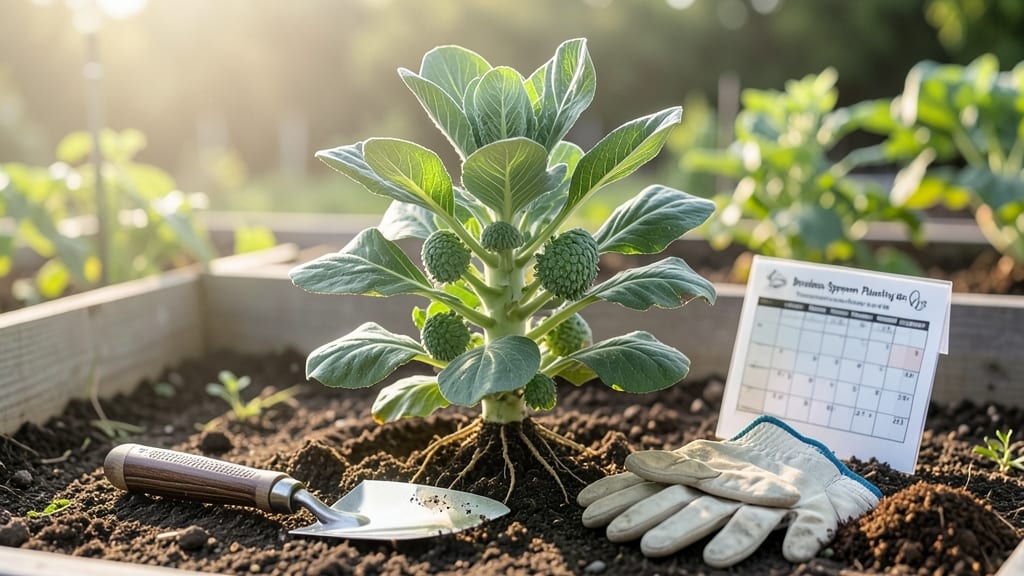
Timing your Brussel sprouts 🥦 planting in Virginia isn’t just about the calendar—it’s about beating the clock before frost steals your harvest. In zones 7a-8a, where last frosts linger into mid-April, planting too early risks stunted growth, while waiting too long cuts your harvest short.
The sweet spot? A 6-week window that aligns with Virginia’s unpredictable weather patterns.
Most gardeners swear by two planting waves: the first in late March for transplants, just as soil warms, and the second in July-August to ensure a fall harvest before the first frost hits in October.
But here’s the catch—your exact deadline depends on whether you’re in the cooler 7a mountains or the slightly milder 8a Piedmont. Miss the mark, and you’ll either watch your sprouts bolt in summer heat or freeze before they mature.
What if you’re new to growing Brussel sprouts or dealing with limited space? Container gardening or raised beds can work—just adjust your timing to account for slower soil warming.
I’ll break down the exact frost-free deadlines, plus 3 pro tips to stretch your growing season, whether you’re a seasoned gardener or a first-timer with a sunny patch of soil.
Ready to avoid the most common mistakes? From spacing plants correctly to knowing when to harvest those glossy green gems, this guide cuts through the guesswork. Let’s get your Brussel sprouts thriving before Virginia’s first frost—no second chances allowed.
Brussel sprout planting deadlines in Virginia zones 7a/7b: exact frost-free dates
Virginia’s Zone 7a/7b climate offers a perfect window for growing Brussel sprouts, but timing is critical. These cool-weather crops need 80-120 days to mature, making frost dates your best guide.
In Zone 7a, the average last frost falls around April 15, while Zone 7b sees it slightly earlier, around April 1. Plan your planting accordingly to avoid frost damage or missed harvests.
For a fall harvest, the ideal time to plant Brussel sprout transplants is between late March and early April. This gives them enough time to establish roots before summer heat arrives.
If you prefer direct sowing, aim for July to early August to ensure sprouts mature before the first frost in mid-October. Missing these windows can leave you with stunted plants or no harvest at all.
Here’s a quick breakdown of your planting deadlines based on Virginia’s zones:
| Zone | Last Frost | Transplant Window | Direct Sow Window | Harvest Time |
|---|---|---|---|---|
| 7a | April 15 | Late March - Early April | July - Early August | October - December |
| 7b | April 1 | Late February - Early March | June - Mid-July | September - November |
If you’re planting Brussel sprout seeds indoors, start them 8-10 weeks before your last frost date. For Zone 7a, this means mid-January to early February, while Zone 7b gardeners can begin late December to January.
Transplant seedlings outdoors once they’re 4-6 inches tall and all frost danger has passed. This early start gives your plants a head start before summer heat sets in.
For direct sowing, wait until soil temperatures reach 45°F and nighttime temperatures stay above 50°F. In Virginia, this typically aligns with mid-July for Zone 7a and early July for Zone 7b. Direct-sown plants will take longer to mature but often produce sweeter sprouts.
Space them 18-24 inches apart to allow for proper airflow and growth.
Don’t forget to account for Virginia’s unpredictable weather. Late frosts can still occur in April, so keep row covers or frost cloth handy. If frost threatens after planting, cover your seedlings immediately.
Similarly, if summer temperatures soar above 85°F, your plants may go dormant. Mulching with straw or hay can help regulate soil temperature and keep roots cool.
Harvesting begins in late September to October, depending on your planting time. Look for 1-1.5 inch diameter sprouts that are dark green and firm. Start with the lowest sprouts first and work your way up the stalk.
This encourages the plant to produce more sprouts higher up. In Virginia’s climate, you can often harvest until December, provided temperatures stay mild and frost-free.
If you miss the spring transplant window, don’t panic—succession planting is your friend. Sow a second batch in late July or early August for a fall harvest. This works especially well in Zone 7b, where the growing season is slightly longer.
Just be sure to choose cold-hardy varieties like ‘Long Island Improved’ or ‘Ruby Ball’ to withstand Virginia’s cooler nights.
Pro tip: Mark your planting dates and frost dates on a garden calendar. This helps you track progress and adjust for next year. In Virginia, where microclimates vary, local weather stations or Cooperative Extension Service reports can provide real-time updates on frost risks.
With the right timing, you’ll enjoy a bountiful Brussel sprout harvest that rivals any grocery store find! 🥦
How to extend your Brussel sprout growing season in Virginia’s climate
Virginia’s unpredictable frost dates and shifting temperatures can make growing Brussel sprouts a challenge—but with the right strategies, you can extend your harvest window by 4-6 weeks. The key lies in season extension techniques tailored to Virginia’s Zone 7a/7b climate.
Whether you’re dealing with late spring frosts or early fall chills, these methods will help you maximize your yield and avoid wasted effort.
One of the simplest ways to protect young plants is by using row covers or frost cloth. These lightweight fabrics trap heat and shield seedlings from 28°F temperatures, which can kill tender sprouts. In Virginia, where late frosts often hit in April, covering transplants for the first 2-3 weeks after planting can make all the difference. Just
Here are 4 proven strategies to stretch your growing season:
- Use row covers for early spring transplants to protect against late frosts (Zone 7a: up to April 15).
- Plant cold-hardy varieties like ‘Long Island Improved’ or ‘Ruby Ball’ to tolerate Virginia’s 40°F nights.
- Mulch with straw to insulate roots and maintain consistent soil temperatures (ideal: 60-70°F).
- Succession plant every 2-3 weeks from July to August for a staggered harvest through December.
Succession planting is another game-changer for Virginia gardeners. Instead of relying on a single planting, sow Brussel sprout seeds every 2-3 weeks from July through August. This ensures a continuous harvest from October through December, even if early frosts arrive. For example, if you plant one batch in early July, another in mid-July, and a final batch in early August, you’ll have sprouts ready to pick at different stages, reducing waste and extending your table supply.
For those with limited space, container gardening works surprisingly well for Brussel sprouts. Use 5-gallon pots or larger containers filled with well-draining soil and place them in a south-facing location to maximize sunlight.
Containers warm up faster than garden beds, giving you a 2-3 week head start on planting. Just ensure pots have drainage holes to prevent root rot—a common issue in Virginia’s humid summers.
If you’re in Zone 7a, where frosts linger longer, consider using a cold frame or mini greenhouse to create a microclimate. These structures can raise soil temperatures by 10-15°F, allowing you to plant 4-6 weeks earlier than the traditional window.
In my own garden, a simple cold frame extended my Brussel sprout season by 3 weeks, letting me harvest well into December before the first hard frost.
Don’t overlook the power of soil preparation to extend your season. Amend your soil with compost or aged manure before planting to improve drainage and fertility. Brussel sprouts thrive in slightly acidic soil (pH 6.0-7.0), so test your soil and adjust with lime or sulfur as needed.
Well-fed plants are more resilient to temperature fluctuations and produce larger, sweeter sprouts.
Finally, keep an eye on the weather forecast and adjust your plans accordingly. Virginia’s microclimates can vary dramatically—what works in Roanoke (Zone 7a) may not suit Richmond (Zone 7b). Use local resources like the Virginia Cooperative Extension or NOAA frost maps to fine-tune your planting schedule.
With these strategies, you’ll turn Virginia’s challenging climate into an advantage, enjoying homegrown Brussel sprouts long after your neighbors’ gardens have gone dormant. 🥦