
Plants
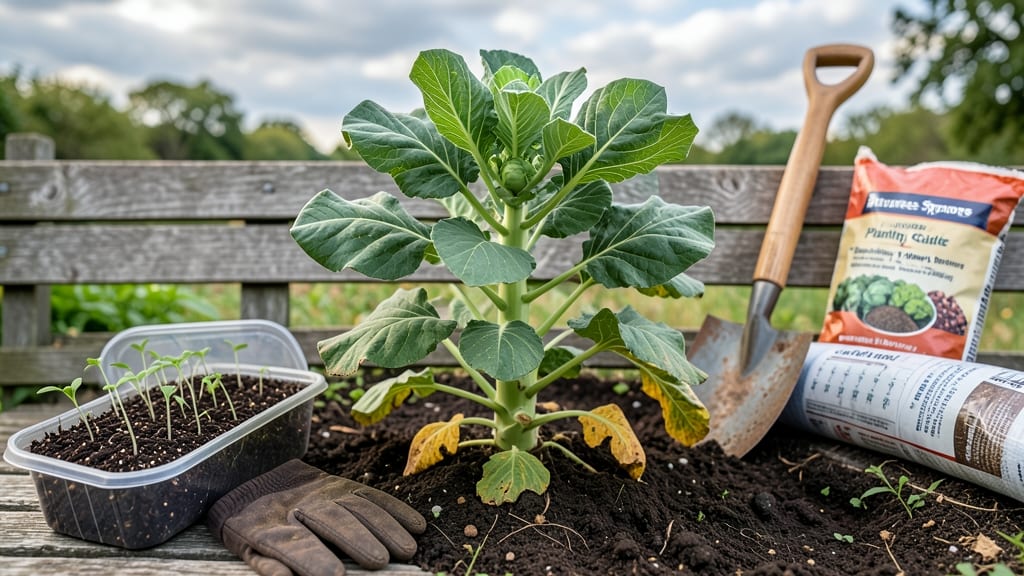
Knowing when to plant brussel sprouts in Zone 7 can turn your garden from a gamble into a guaranteed harvest of those tiny, flavor-packed 🥦 treasures. Unlike heat-loving veggies, these cool-weather champions demand precision timing—plant too early, and they bolt; too late, and frost ruins your hard work.
In Zone 7, where last frosts linger around April 15 and first frosts arrive by October 15, the sweet spot lies in mid-to-late spring or early fall.
But here's the catch: your exact planting window depends on whether you're starting seeds indoors or transplanting seedlings, and even local microclimates can shift those dates by weeks.
I'll break down the exact weeks before frost you need to aim for, plus how to adjust for high-altitude areas or urban heat islands. You'll also discover how to prep your soil, test for readiness, and protect your plants if an early frost sneaks in.
By the end, you'll have a foolproof schedule tailored to Zone 7's quirks—so you can enjoy a harvest of crisp, homegrown brussel sprouts from late fall through winter. Let's get those seeds in the ground at the perfect moment.
Zone 7 Brussel sprouts planting timeline: exact weeks before frost
In Zone 7, timing your Brussel sprouts planting is everything—too early, and they’ll bolt from summer heat; too late, and frost will ruin your harvest.
The key is planting 8-10 weeks before the first frost (typically mid-August to early September for fall harvests) or 6-8 weeks before the last frost (early March) for spring. This gives your plants enough time to mature before winter sets in.
Brussel sprouts are cool-season crops, thriving in temperatures between 45°F and 75°F. If summer temperatures exceed 80°F, they’ll bolt prematurely. That’s why fall planting is ideal in Zone 7—it avoids the summer heat while still allowing a long enough growing season for a full harvest.
Here’s the exact timeline for Zone 7: Start seeds indoors 6-8 weeks before transplanting (around mid-July for fall) or direct-sow outdoors 4-6 weeks before your target transplant date. Seedlings need 4-6 weeks to reach transplant size, so plan accordingly to hit your frost window.
For a reliable harvest, aim to plant Brussel sprouts so they reach maturity 2-3 weeks before the first frost. This gives you time to harvest before temperatures drop below 20°F, which can damage the plants. In Zone 7, this typically means finishing harvests by mid-November.
If you’re unsure about your local frost dates, check the USDA Plant Hardiness Zone Map and add 1-2 weeks of buffer time. For example, if your area’s first frost is October 20, plant seeds indoors by August 15 to ensure transplants are ready by September 15.
Pro tip: Use row covers or cold frames to extend your harvest into late fall. These can protect your plants from light frosts (28°F–32°F) and give you 2-4 extra weeks of harvest time. Just remove covers during the day to prevent overheating.
Remember, Brussel sprouts are biennials, meaning they’ll often survive winter and produce a second harvest the following year. If you plant in fall and leave the stalks in the ground (protected by mulch), you might get a bonus crop in spring—though flavor is best in the first year.
Finally, soil preparation is critical. Amend your garden bed with compost and a balanced fertilizer (10-10-10) before planting. Brussel sprouts thrive in well-draining, slightly acidic soil (pH 6.0–7.0), so test your soil and adjust if needed. A pH test kit costs under $10 and can save your harvest!
Zone 7 Brussel sprouts planting timeline: exact weeks before frost
Brussel sprouts in Zone 7 need cool temperatures and careful timing to avoid bolting or frost damage. The ideal planting window is 8-10 weeks before your first frost, which for most of Zone 7 falls between mid-August and early September for a fall harvest.
This timing ensures your plants mature before October 15, when frost typically arrives.
For a spring harvest, plant 6-8 weeks before your last frost (around March 15 in Zone 7). Spring-planted sprouts may struggle with summer heat, so choose shade-tolerant varieties like 'Long Island Improved' or 'Ruby Ball'.
Always verify your local frost dates using the USDA Plant Hardiness Zone Map for precise adjustments.
🌱
| Planting Window | Zone 7 Timeline | Key Considerations |
|---|---|---|
| Fall Planting (Harvest Oct-Dec) | Mid-August to early September | Soil temp: 45-65°F; Avoid heat stress |
| Spring Planting (Harvest May-June) | Mid-March to early April | Start indoors 6-8 weeks before last frost |
| Late Summer Backup | Early July (for fall harvest) | Use shade cloth; slower growth expected |
📅 Pro Tip: Check your local frost dates—they can vary by 1-2 weeks within Zone 7!
Brussel sprouts thrive when soil temperatures stay between 45°F and 65°F. If planting in late summer, use shade cloth to protect seedlings from heat stress. For direct sowing, plant seeds ½ inch deep and 18 inches apart in rows spaced 3 feet apart.
If transplanting seedlings, space them 24 inches apart to allow for their 2-3 foot mature height.
To extend your harvest, consider succession planting every 2-3 weeks in late summer. This staggered approach ensures a continuous supply of fresh sprouts from October through December. Always mulch heavily in late fall to protect roots from early frosts, which can improve flavor and sweetness in your harvest.
🌿
For Zone 7 gardeners with shorter growing seasons, prioritize fast-maturing varieties like 'Tuxedo' (85 days) or 'Coronet' (90 days). These varieties can handle cooler temperatures better and still deliver a reliable harvest before the first frost.
Pair them with row covers in early fall to push your harvest window even further.