
Plants
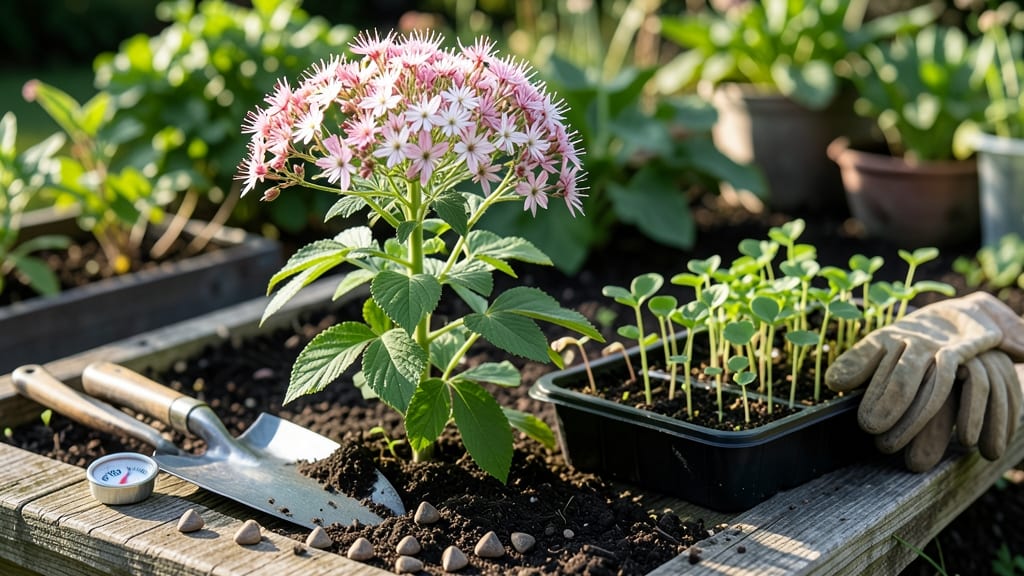
Planting buckwheat in North Carolina isn't just about dropping seeds into the ground—it's about timing your planting to match your county's frost dates and microclimate. Miss the window, and you'll either get frost-nipped seedlings or a crop that bolts too quickly.
The good news? With just 45-60 days to harvest, buckwheat gives you flexibility—but only if you know when to start.
From the mountains of Western NC to the coastal plains, frost-free seasons vary wildly. In Zone 7a, you might plant as early as mid-April, while coastal areas in Zone 8b can wait until May.
The key is soil temperature—buckwheat needs 60°F+ to germinate, and that threshold arrives at different times across the state.
Why does this matter? Because buckwheat isn't just a fast-growing cover crop—it's a game-changer for soil health and summer harvests. Whether you're growing it for grain, green manure, or pollinator support, getting the timing right means the difference between a thriving crop and a wasted effort.
In this guide, I’ll break down the exact planting windows by region, plus how to adjust for NC’s unpredictable weather. No more guesswork—just data-backed advice to help your buckwheat 🌾 flourish from spring through fall.
North Carolina buckwheat planting dates by frost Zone (with county-specific timing)
North Carolina’s diverse climate—from the cool mountain regions to the humid coastal plains—means buckwheat planting dates can shift by 4-6 weeks depending on your location. The key is aligning your planting with your USDA hardiness zone and local frost dates to ensure healthy growth and a successful harvest.
Buckwheat thrives in warm soil (60°F+) and can’t tolerate frost, so timing is critical. In Zone 7a (mountains), like Asheville, you’ll plant later than in Zone 8b (coastal), such as Wilmington. Let’s break down the ideal planting windows for each region to maximize your yield.
🌾 Pro Tip: Use your local Cooperative Extension Service for precise frost dates—some mountain counties can have 2-3 weeks later last frosts than coastal areas.
| Region | USDA Zone | Last Frost Date | Ideal Planting Window | Harvest Window |
|---|---|---|---|---|
| Mountains (Asheville, Boone) | 7a | April 15-May 1 | May 15-June 15 | July 15-August 15 |
| Piedmont (Raleigh, Greensboro) | 7b | March 30-April 15 | April 15-May 30 | June 15-September 1 |
| Coastal Plain (Wilmington, Fayetteville) | 8a-8b | March 15-April 1 | March 30-June 1 | May 15-October 1 |
Note: Adjust dates 1-2 weeks earlier for early varieties or 1-2 weeks later for late-season harvests.
For mountain regions, buckwheat’s 45-60 day growth cycle means you’ll want to plant no later than June 15 to avoid early fall frosts. In contrast, coastal areas can push planting into early July for a late-summer harvest, thanks to their longer growing season.
Soil temperature is just as critical as air temperature. Use a soil thermometer to confirm your soil has reached 60°F (15°C)—buckwheat seeds won’t germinate in cooler soil, even if the air is warm. In Zone 7a, this often means waiting until mid-May.
If you’re using buckwheat as a cover crop or green manure, you can plant it as late as August 15 in coastal zones, but it may not mature fully before frost. For grain production, stick to the earlier windows to ensure seed development.
Local microclimates can also shift planting dates. For example, valleys in the mountains may warm up 1-2 weeks earlier than nearby ridges, while urban heat islands in cities like Charlotte can extend the growing season by 10-14 days compared to rural areas.
Always monitor your local weather forecasts in the weeks leading up to planting. A late frost in April can delay mountain plantings by 3-4 weeks, while hurricane season in coastal NC may require adjusting irrigation plans in late summer.
For container gardening, buckwheat can be planted 2-3 weeks later than in-ground plantings because pots warm up faster. Just ensure your containers have drainage holes to prevent waterlogged roots.
🌱 Key Takeaway: Plant buckwheat in NC when your soil is 60°F+ and after your last frost date. Mountain regions should aim for May 15-June 15, while coastal areas can start as early as March 30.
How to adjust buckwheat planting for NC’s microclimates (mountains vs. coastal regions)
North Carolina’s diverse geography means a 500-foot elevation change can shift buckwheat planting by 2-3 weeks. The mountains (Zone 7a) have shorter growing seasons, while the coastal plain (Zone 8b) enjoys longer heat. Understanding these differences lets you fine-tune your planting for peak yields.
In the mountains (Asheville, Boone), aim to plant late April to early May—soil warms slower at higher elevations, and frost can linger until May 10. Use black plastic mulch to speed up soil warming if needed.
Coastal areas like Wilmington or Morehead City can start as early as mid-March, but avoid planting before soil hits 60°F—seeds rot in cooler, damp conditions.
For summer harvests, plant in June-July across all regions. Buckwheat thrives in heat but needs consistent moisture—mountain areas may need irrigation during dry spells, while coastal humidity can increase fungal risks. Space plantings 3-4 weeks apart to stagger harvests and avoid bolting.
🌾 Key Takeaways for NC Buckwheat Planting
- Mountains (Zone 7a): Plant April 20-May 10; soil warms last.
- Piedmont (Zone 7b): Plant April 1-May 15; ideal balance.
- Coastal (Zone 8b): Plant March 15-April 30; longer season.
- Soil temp: Wait for 60°F+ (use a soil thermometer!).
- Stagger plantings: 3-4 week intervals for continuous harvests.
💡 Pro Tip: Check your county’s NC State Climate Office for local frost data—it’s more accurate than USDA zones alone!
If you’re growing buckwheat as a cover crop, plant in late summer (August-September) to establish before frost. It’ll fix nitrogen and suppress weeds over winter. For grain production, prioritize full sun and well-draining soil—coastal areas with heavy clay may need raised beds to prevent waterlogging.
Watch for unpredictable rain in NC’s transition seasons. A heavy downpour after planting can wash seeds away, while prolonged drought stunts growth. Mulch with straw or leaves to retain moisture and regulate soil temperature. In drier piedmont regions, drip irrigation is your best friend.
Remember: buckwheat’s 45-60 day growth cycle works in your favor. Use it to fill gaps in your garden or extend harvests into late fall. Just don’t wait until October—seedlings won’t mature before frost hits most of the state.