Plants
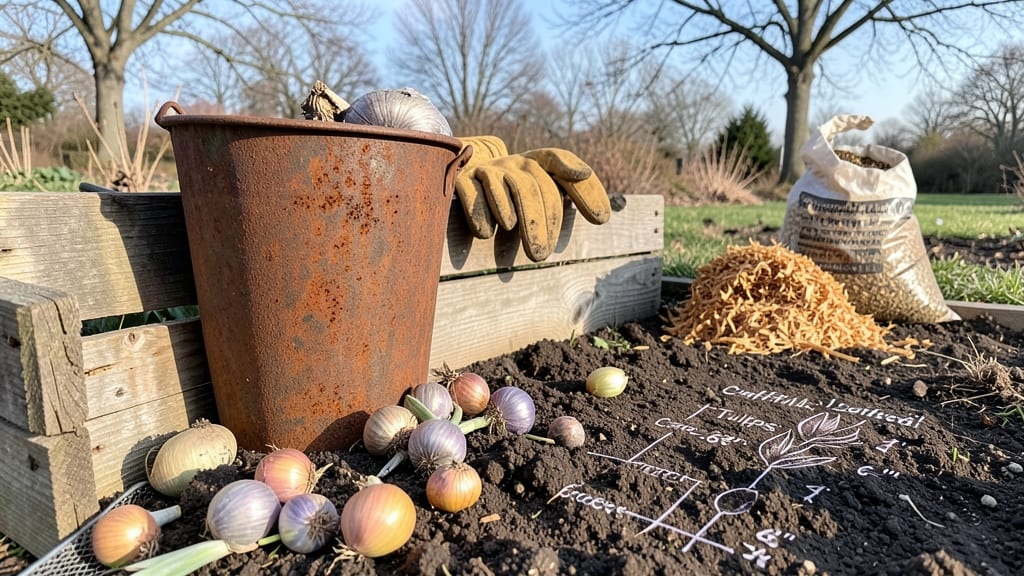
Planting bulbs in Boston isn’t just about timing—it’s about outsmarting the city’s fickle frost dates to guarantee those vibrant spring blooms you’ve been dreaming of. With Zone 6b winters that can swing from mild to brutal overnight, getting the timing wrong means risking frozen soil or premature sprouting.
The key? Knowing whether to tuck those 🌱 bulbs into the ground in crisp fall air or wait for the thaw of early spring.
Here’s the secret: Most gardeners in Boston swear by fall planting for hardy varieties like daffodils and crocuses, but spring can work too—if you play by the rules. We’re talking soil temps below 60°F and frost-free windows that shift yearly.
Whether you’re a backyard gardener or a renter with containers, this guide cuts through the guesswork to help you plant with confidence.
You’ll learn the exact month-by-month schedule for both fall and spring planting, plus how to adjust for Boston’s urban heat islands that can trick bulbs into waking up too soon. No more second-guessing whether to mulch, when to cover new plantings, or which bulbs actually thrive here year after year.
Ready to transform your garden into a burst of color? Let’s dive into the frost-free timeline that’ll have your bulbs blooming like clockwork—no matter what Boston throws at them.
Boston’s ideal bulb planting timeline: month-by-month frost-free guide
Timing is everything when planting bulbs in Boston’s USDA Zone 6b climate. The last frost date (April 15) and first frost date (October 15) create a narrow window for success. Plant too early, and bulbs may rot; too late, and they won’t establish roots before winter.
My rule? Fall planting (September–November) is critical for spring blooms, while spring planting (March–April) works for tender varieties like dahlias.
Boston’s urban heat islands and heavy clay soil add complexity. Suburban areas with better drainage may have a 2-week leeway, but city gardens need extra care. For example, tulips planted in late October might survive, but daffodils need to be in by mid-September to avoid frost heave.
Let’s break it down month by month to avoid costly mistakes.
| Month | Best Bulbs to Plant | Soil Temp Threshold | Planting Depth | Microclimate Tip |
|---|---|---|---|---|
| September | Daffodils, Tulips, Hyacinths | 50–60°F (ideal) | 6–8" deep | Urban areas: add compost to improve drainage |
| October | Crocuses, Snowdrops, Alliums | 45–55°F (safe) | 4–6" deep | Suburban: mulch 2–3" after planting |
| November | Late-bloomers (e.g., Fritillaria) | 40°F (risky) | 5–7" deep | Use row covers for extra protection |
| March | Spring-planted bulbs (e.g., Caladiums) | 55°F (after last frost) | 3–4" deep | Wait until soil warms to avoid rot |
| April | Tender bulbs (e.g., Dahlias) | 60°F+ (no frost risk) | 2–3" deep | Hardy varieties only after April 15 |
Notice how soil temperature drops below 50°F in October? That’s your cue to adjust planting depth or switch to hardier varieties. For example, snowdrops (Galanthus) thrive in 40°F soil, while tulips struggle below 50°F.
My urban garden tip: Test soil temp with a thermometer—aim for 60°F for tulips and 50°F for daffodils.
Boston’s microclimates can shift planting windows by 2–3 weeks. A south-facing bed stays warmer, allowing late-October planting of crocuses, while north-facing areas may need September planting for the same bulbs. Always amend clay soil with compost or sand to prevent waterlogging—a common killer in Boston’s heavy soil.
If you’re container gardening, shift your timeline 2 weeks earlier. Potted bulbs dry out faster and overheat in summer. I plant hyacinths in late September in well-draining pots and move them to a garage in winter to mimic ground temps.
This trick extends their lifespan by 3–5 years.
Pro tip: Mark your calendar for Boston’s average frost dates, but prepare for surprises. In 2021, we had a late frost on May 5, wiping out early tulips. To hedge bets, plant a mix of early, mid, and late bloomers. For example: - Early bloomers
How to adjust planting for Boston’s unpredictable weather: pro tips for zero damage
Boston’s variable frost dates and heavy clay soil can make bulb planting feel like a guessing game. But with the right adjustments, you can protect your bulbs from winter damage and extend bloom times by weeks.
The key? Mulching, depth adjustments, and microclimate awareness—especially in urban areas where heat islands delay frost.
For example, tulips and daffodils planted too shallow in Zone 6b may heave out of the ground during freeze-thaw cycles. Meanwhile, hyacinths and crocuses in south-facing beds might bloom earlier due to warmer microclimates.
Let’s break down the proven strategies to safeguard your bulbs—no matter what Mother Nature throws at them.
⚠️ Safe vs. Risky Planting Scenarios in Boston
✅ Plant 6 weeks before first frost (by mid-October)
✅ Use 3x bulb depth in clay soil
✅ Mulch 4-6 inches with straw
✅ Choose Zone 6b+ bulbs (e.g., Galanthus)
❌ Plant after October 15 (late frost risk)
❌ Shallow planting (2x depth)
❌ No mulch or thin layer (<1 inch)
❌ Tender bulbs (e.g., Canna)
Urban areas may have 2-3°F warmer microclimates—adjust planting dates accordingly.
Start with soil preparation to give bulbs a fighting chance. Amend heavy clay with compost or sand to improve drainage—waterlogged soil can rot bulbs even before winter sets in. For container planting (ideal for renters), use a fast-draining mix with perlite and plant bulbs in well-draining pots with drainage holes.
Once planted, mulching is non-negotiable. Apply 4-6 inches of straw or shredded leaves after the ground freezes to insulate bulbs. In urban heat islands, where sidewalks and buildings trap heat, mulch earlier (by September 1) to counteract delayed frosts.
Pro tip: Remove mulch in early spring (late March) to let bulbs photosynthesize and bloom.
For extended bloom windows, consider row covers or frost blankets over early bloomers like crocuses. These can push back first-frost damage by 1-2 weeks, giving you more time to enjoy those purple and white spires in late winter. Just
If you’re planting in late fall (November) and a sudden cold snap hits, don’t panic. Bulbs can handle temperatures down to 20°F if planted correctly. The real enemy is thawing and refreezing, which causes soil heaving. To prevent this, water deeply before the first frost to encourage root establishment, then mulch heavily.
Finally, keep a planting journal to track what works in your specific microclimate. Note the exact dates of your first and last frosts, and adjust next year’s schedule accordingly. Over time, you’ll master Boston’s bulb-planting rhythm—and enjoy vibrant spring blooms year after year. 🌷