
Plants
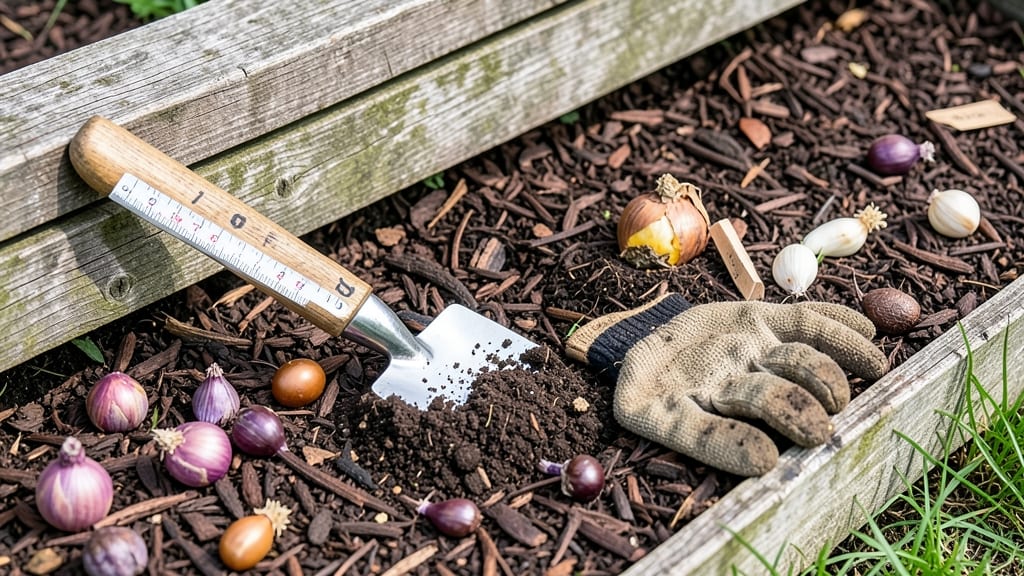
If you’ve ever planted spring flowering bulbs 🌷 in Kansas only to watch them rot in the ground or fail to bloom, you’re not alone—but the fix is simpler than you think.
The perfect timing for planting tulips, daffodils, and hyacinths hinges on two critical windows: fall (when roots need to establish before winter) and spring (for late bloomers).
Kansas’s climate—with its USDA Zones 5b-7a and unpredictable frost—makes this even trickier. Plant too early, and bulbs may sprout prematurely; too late, and they won’t root deeply enough to survive the freeze.
The key? A 4-6 week window before the ground freezes in fall, or early spring when soil warms to 50°F.
In this guide, I’ll break down the exact months to plant in your part of Kansas, soil prep secrets, and how to avoid the top 3 mistakes that kill bulbs—whether you’re in Wichita’s high plains or Topeka’s loess hills. No more guesswork, just vibrant blooms next spring.
Ready to transform your garden? Let’s dive into the timelines and tricks that’ll have your 🌷 spring flowering bulbs thriving year after year.
Kansas fall bulb planting schedule: exact months and hardiness zones
Fall is the golden window for planting spring-blooming bulbs like tulips, daffodils, and hyacinths in Kansas. Why? Bulbs need 6-8 weeks to establish roots before winter dormancy. In Kansas’ USDA Zones 5b-7a, this means planting between mid-September and mid-November, depending on your exact location.
Most Kansas gardeners aim to plant by October 15, but high-altitude areas (like Wichita) may need to start earlier. Use soil temperature as your guide: bulbs should go into 40-60°F soil.
Check with a soil thermometer or watch for first frost dates—plant 4-6 weeks before the ground freezes.
Pro tip: Northern Kansas (Zone 5b) has earlier frosts, so start planting by late September. Southern Kansas (Zone 7a) can extend planting until mid-November, but avoid waiting too long—bulbs need time to root before winter.
Here’s your Kansas fall bulb planting timeline, broken down by month and zone:
| Month | USDA Zone 5b (North) | USDA Zone 6a (Central) | USDA Zone 7a (South) |
|---|---|---|---|
| Late August | Start early for tender bulbs (e.g., hyacinths) | Begin planting hardy bulbs (e.g., daffodils) | Wait until September |
| September | Ideal time for most bulbs | Peak planting month | Prime window |
| October | Last chance for northern Kansas | Extend until mid-October | Plant until late October |
| November | Avoid—risk of frost damage | Only early November for fast-rooting bulbs | Stop by November 15 |
🌱 Note: Adjust for early frosts—check your local Kansas State University frost date maps.
For best results, aim to plant bulbs when daytime temps average 60°F and nights dip to 40°F. This balance ensures roots grow but bulbs don’t sprout too early. Use a soil thermometer to confirm—ideal soil temps are 40-60°F at planting depth (typically 6-8 inches deep).
Don’t forget to amend your soil before planting! Kansas’ clay-heavy soils benefit from compost or sand to improve drainage. Work in 2-3 inches of compost and mix in a handful of bone meal (for phosphorus) to encourage root growth.
Bulbs hate soggy soil, so avoid planting in low spots where water pools.
Once planted, mulch lightly with straw or shredded leaves to insulate bulbs from freeze-thaw cycles. This protects them during winter and helps regulate soil temps in spring. Remove mulch in early spring (March) to allow foliage to emerge and photosynthesize.
Here’s a quick
Spring bulb planting in Kansas: late-bloomers and correction timelines
If you missed the fall planting window or want to add summer-blooming bulbs like dahlias or gladiolas, spring is your second chance. Kansas’ USDA Zones 5b-7a allow for successful spring plantings, but timing is critical—bulbs need 6-8 weeks to establish roots before summer heat hits.
Aim to plant summer-blooming bulbs in March or early April, once soil temps consistently reach 50°F.
For spring-blooming bulbs (like tulips or daffodils) missed in fall, don’t panic! You can still plant them in early spring, but expect smaller blooms that year. Focus on hardy varieties like daffodils, which tolerate spring planting better than tulips.
Plant as soon as the ground is workable (usually late March to early April), but avoid waiting until after April 15, when Kansas’ last frost typically arrives.
Here’s your Kansas spring bulb planting