
Plants
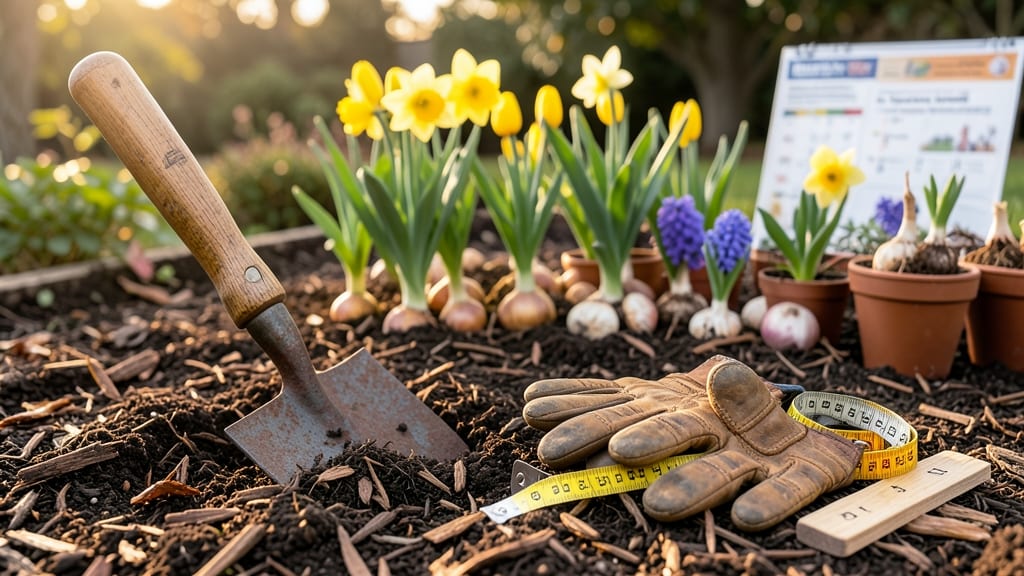
Planting Spring-Planted Bulbs 🌷 in Michigan’s unpredictable spring can feel like playing a high-stakes guessing game—but getting the timing right means the difference between vibrant blooms and a sad, half-dead garden.
The key isn’t just waiting for warm weather; it’s about understanding your zone’s last frost date and soil readiness, especially in 5b-6b climates where late snows and chilly nights linger.
Most gardeners assume spring planting means waiting until May, but that’s actually too late for many cold-hardy varieties. The sweet spot? As soon as the soil is workable—typically April to early May, once daytime temperatures consistently stay above 50°F.
This window gives bulbs time to root before summer heat sets in, ensuring stronger plants that survive Michigan’s infamous frost bites.
Why does this matter? Because planting too early risks frost damage, while waiting too long means missing the chance for full-season blooms. I’ll break down the exact timing for your favorite bulbs—from daffodils to alliums—and share pro tips to extend their beauty through late frosts.
Let’s get those 🌷 popping up on schedule!
Whether you’re a first-time gardener or a seasoned green thumb, these insights will help you avoid common mistakes and create a garden that thrives despite Michigan’s temperamental spring. Ready to turn your yard into a blooming paradise? Let’s dig in.
Michigan spring planting timeline for cold-hardy bulbs by hardiness Zone
Michigan’s USDA Zones 4-6 mean spring bulb planting can start as early as late March in southern regions like Detroit, while northern areas like Traverse City may wait until mid-April. The key is planting when soil temperatures reach 40-50°F and the ground is workable but not soggy.
Most gardeners aim to plant 6 weeks before the last frost date—typically mid-April for southern Michigan and late April for the north. This timing gives bulbs time to establish roots before late frosts, which can still occur in May.
For crocuses and snowdrops, the hardiest varieties, you can plant as early as March in sheltered areas. These early bloomers tolerate light frosts and even snow cover, making them ideal for Michigan’s unpredictable springs.
Tulips and daffodils, which are slightly less frost-tolerant, should wait until April in most of Michigan. Plant them 2-3 weeks after crocuses to avoid damage from late freezes that can blacken emerging shoots.
In Zone 4 (northwest Michigan), where frosts linger longer, delay planting until mid-to-late April. Use mulch or straw to insulate newly planted bulbs if an unexpected frost hits.
| Zone & Region | Best Planting Window | Soil Temp Goal | Top Bulbs to Plant |
|---|---|---|---|
| Zone 4 (Traverse City, Marquette) | Mid-April to early May | 40-50°F | Crocus, Snowdrops, Siberian Squill |
| Zone 5 (Grand Rapids, Lansing) | Late March to April | 45-55°F | Daffodils, Tulips, Allium |
| Zone 6 (Detroit, Ann Arbor) | Late March to mid-April | 50-60°F | Hyacinths, Fritillaries, Grape Hyacinths |
If you miss the spring window, don’t worry—fall planting (September-October) is still ideal for most bulbs. However, spring-planted bulbs like crocuses and snowdrops can naturalize quickly, spreading year after year with minimal care.
For container gardening in Michigan, plant bulbs in pots 4-6 weeks before the last frost. Use a well-draining mix with added compost to simulate garden soil. Containers warm up faster in spring, so monitor for early sprouting.
Always plant bulbs at 2-3 times their height deep—this protects them from frost heave and ensures stability. For example, a 2-inch daffodil bulb should go 4-6 inches deep.
After planting, water deeply to settle the soil and encourage root growth. Avoid overwatering, as soggy soil can rot bulbs before they establish. A 1-inch watering once a week is ideal until shoots appear.
Pro tip: Mark your planting spots with biodegradable flags to remember where bulbs are located. Michigan’s early snowmelt can wash away mulch, making it easy to forget bulb locations until blooms emerge.
Michigan spring planting timeline for cold-hardy bulbs by hardiness Zone
Michigan’s USDA Zones 4-6 mean spring bulb planting can start as early as March in southern regions or wait until May in northern areas. The key is planting 6-8 weeks before your last frost date, which typically falls between April 15 (south) and May 1 (north).
For Zone 4 (north), aim for late April to early May—once soil temps hit 50°F (10°C) consistently.
In Zone 5 (central Michigan), you can plant bulbs as early as mid-April, but wait until soil is workable and frost-free. Southern Zone 6 gardeners can start in late March if using cold-hardy varieties like daffodils or Siberian squill.
Always check your local frost-free date—it’s the best predictor of success!
🌱
🌷 Michigan Spring Bulb Planting Timeline by Zone
| Zone | Best Planting Window | Soil Temp | Key Varieties |
|---|---|---|---|
| 4 (North) | Late April–Early May | 50°F (10°C) | Daffodils, Crocus, Siberian Squill |
| 5 (Central) | Mid-April–Late April | 45°F (7°C) | Tulips, Hyacinths, Allium |
| 6 (South) | Late March–Early April | 40°F (4°C) | Snowdrops, Fritillaria, Muscari |
⚠️ Pro Tip: Use a soil thermometer to confirm readiness—bulbs need warm soil to root before frost returns!
For late frosts (common in Michigan), prioritize early-blooming varieties like crocuses or snowdrops, which can survive light frosts after planting. Plant them shallow (3-4 inches deep) for faster emergence. In Zone 4, consider fall planting (September-October) for tulips—they’ll establish roots before winter and bloom earlier in spring.
If you miss the spring window, don’t panic! Fall planting (September-October) is ideal for most bulbs, giving them time to root before Michigan’s first frost. For spring-planted bulbs, focus on well-draining soil and mulching to insulate roots.
Avoid planting in waterlogged or compacted soil, which can rot bulbs before they bloom.
🌿
Test your soil’s drainage by digging a 6-inch hole and filling it with water. If it drains in under 1 hour, your soil is ready. Amend heavy clay with compost or sand to improve aeration.
In northern Michigan (Zone 4), add a 2-inch layer of mulch after planting to protect bulbs from temperature swings—this can extend bloom time by 1-2 weeks!