
Plants
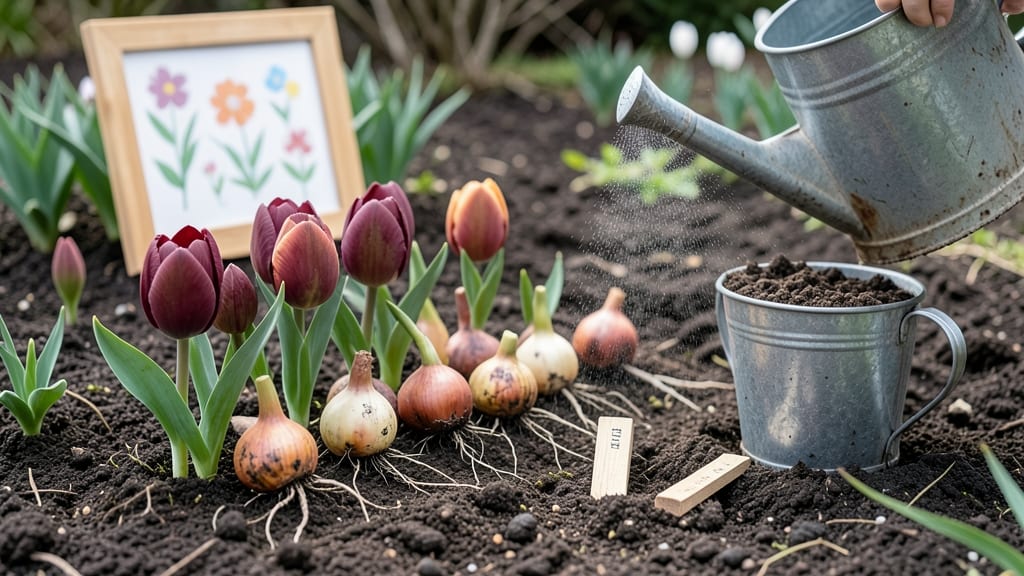
Timing when to plant bulbs in the spring just right is the secret to vibrant blooms that arrive on cue—no sad, early sprouts or wasted effort.
You’ve probably heard the advice to plant in fall, but the real magic happens when you match your local chill hours to each bulb type. Too little cold, and you’ll end up with bolting (those unsightly flower stalks before their time).
Too much, and your bulbs might not bloom at all.
If you’re in USDA Zone 6a like me, you’ve got a narrow window—typically between September and November—to get those 🌷 beauties in the ground. But here’s the catch: not all spring bulbs have the same chill requirements.
Tulips, for example, need 12-16 weeks of cold, while daffodils are happy with just 12-14 weeks. Plant too early, and you risk frost damage; too late, and they won’t establish strong roots before winter.
I’ve made this mistake before—planting my tulips in early October, only to watch them bolt the following spring. That’s why I’m sharing the exact science behind chill-hour matching and regional adjustments.
By the end, you’ll know the perfect moment to plant your bulbs so they burst into color right when you want them to.
Ready to skip the guesswork? Let’s dive into how to calculate your local chill hours and pick the ideal planting window for zero bolt risk—plus, what to do if you’ve already missed the boat. Your future spring garden will thank you.
Spring bulb planting timing by chill-hour requirements
Planting spring bulbs at the right time isn’t just about the calendar—it’s about matching their chill-hour needs to your local climate. Most spring bulbs, like tulips and daffodils, require a specific number of cold weeks (typically 12–16) to bloom properly.
Planting them too early or too late can trigger premature blooming or bolting, where the bulb sends up a weak stem before it’s ready. This often leads to weak growth or no flowers at all.
For example, tulips need 12–16 weeks of temperatures below 40°F (4°C), while daffodils usually require 12–14 weeks. If you live in a region with mild winters, bulbs may not get enough chill hours, causing them to bloom early and weakly.
Conversely, planting too late can leave bulbs vulnerable to frost damage before they establish roots.
To avoid these issues, I always check my local USDA zone and track chill hours using a weather station or online tools like the National Weather Service. This ensures bulbs get the right amount of cold before spring arrives.
For instance, in Zone 5, I plant most bulbs in October, while in Zone 8, I wait until November to avoid early sprouting.
Another key factor is soil temperature. Bulbs should be planted when soil temps are consistently below 50°F (10°C) but not frozen. This usually aligns with 6–8 weeks before the first hard frost in your area. Using a soil thermometer helps me confirm the right timing—no more guessing!
| Bulb Type | Chill Hours Needed | Ideal Planting Time | Risk of Early Planting |
|---|---|---|---|
| Tulips | 12–16 weeks below 40°F | September–October (Zones 3–7) | Bolting or weak stems |
| Daffodils | 12–14 weeks below 40°F | October–November (Zones 4–8) | Premature blooming |
| Hyacinths | 14–16 weeks below 45°F | September–October (Zones 3–6) | Stunted growth |
| Crocus | 8–12 weeks below 40°F | October–November (Zones 4–9) | No blooms |
| Allium | 10–12 weeks below 40°F | September–October (Zones 3–8) | Weak foliage |
If you’re unsure about your local chill hours, I recommend using a chill-hour calculator or checking with your local cooperative extension office. They often provide data tailored to your region.
For example, in Zone 7, where winters are mild, I might delay planting until late October to ensure bulbs get enough cold.
Once you’ve matched the chill-hour requirements to your zone, focus on planting depth and spacing. Most bulbs should be planted 6–8 inches deep, or 2–3 times their height. This depth helps insulate them from temperature fluctuations and prevents rodent damage.
After planting, I always add a 2-inch layer of mulch to protect bulbs during winter and retain moisture in spring.
Finally, avoid the temptation to plant bulbs in early spring—this is a common mistake that leads to weak growth. Bulbs need time to establish roots before the ground thaws.
If you’re eager to see blooms, opt for pre-chilled bulbs from nurseries, which are already exposed to the required cold period. However, these often cost more and may not perform as well as freshly planted bulbs.
By aligning your planting schedule with chill-hour requirements, you’ll enjoy vibrant, healthy blooms every spring without the risk of bolting or weak stems. And remember, patience is key—rushing the process can turn your dream garden into a disappointment. 🌷
Regional planting windows: when to plant by USDA Zone
Your USDA zone is the ultimate guide for timing spring bulb planting, as it dictates when soil temperatures and frost patterns align with bulb needs.
For example, gardeners in Zones 3–5 (cold climates) can plant bulbs as early as late August to early September, while those in Zones 8–10 (mild winters) should wait until November to avoid premature sprouting.
The key is planting 6–8 weeks before the first hard frost—this ensures bulbs establish roots but don’t wake up too soon.
In Zone 4, where winters are harsh, I plant tulips and daffodils in October to guarantee they get enough cold. Meanwhile, in Zone 7, where winters are shorter, I delay planting until mid-October to prevent early blooming.
Always check your local frost date calendar—tools like the Old Farmer’s Almanac provide reliable forecasts for your area.
Here’s a quick breakdown of ideal planting windows by zone, tailored to avoid frost damage and bolting:
| USDA Zone | Ideal Planting Window | Key Consideration | Adjustment for Early Spring |
|---|---|---|---|
| Zones 3–5 | Late August–Early October | Long winters; plant early | Wait until soil cools below 60°F |
| Zones 6–7 | Mid-September–Mid-October | Moderate winters; balance timing | Delay if early frost warning |
| Zones 8–9 | Late October–Early November | Mild winters; plant late | Use mulch to protect from light frosts |
| Zone 10 | November–Early December | Minimal cold; plant latest | Consider pre-chilled bulbs |
If you’re in a transition zone (e.g., Zone 6b vs. 7a), err on the side of planting later. For instance, in Zone 6b, I plant in late October to avoid early sprouting, while in Zone 7a, I wait until November.
Microclimates also matter—bulbs in low-lying areas may need earlier planting due to colder soil, while south-facing slopes can handle later dates.
After planting, protect bulbs with a 2-inch layer of mulch (straw or shredded leaves work well) to insulate them from temperature swings. In Zone 8+, where winters are mild, I add extra mulch to simulate colder conditions.
This simple step can make the difference between vibrant blooms and disappointing sprouts.
For container gardens, use black plastic pots to absorb heat and delay planting until soil temps drop below 50°F (10°C). This is especially useful in Zone 9–10**, where ground freezes are rare. Always label pots to track planting dates—this helps you rotate bulbs and avoid overcrowding.
By aligning your planting schedule with your USDA zone and local frost patterns, you’ll enjoy healthy, long-lasting blooms every spring. And if you’re unsure, observe nearby gardens—most spring bulbs emerge around late winter, giving you a natural cue for next year’s timing. 🌿