
Plants
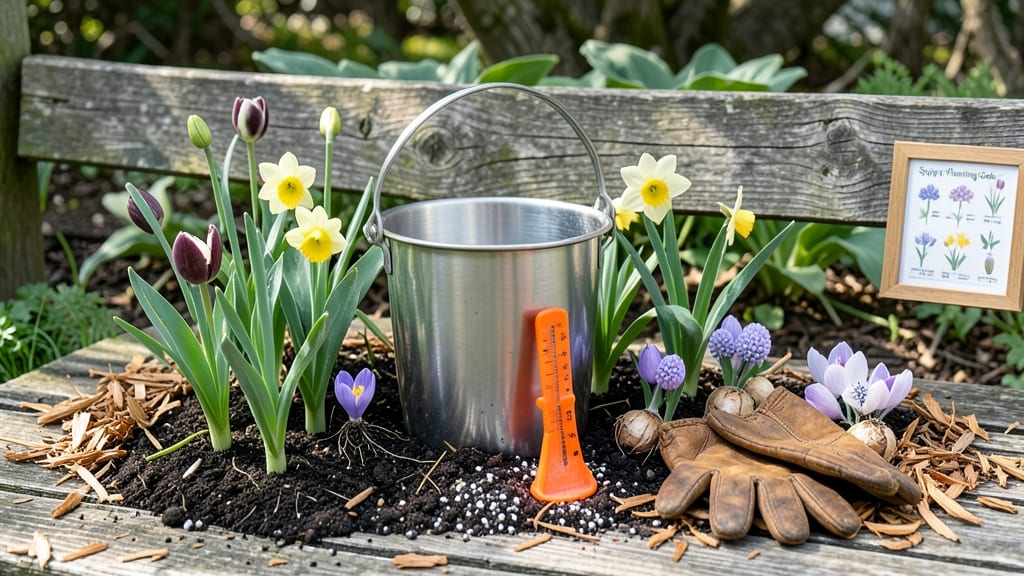
Figuring out when to plant bulbs in Zone 6 can feel like solving a puzzle—get the timing wrong, and you might miss out on those vibrant spring blooms you’ve been dreaming of.
The good news? With the right approach, you can transform your garden into a colorful masterpiece year after year.
Zone 6’s unique climate means you’ve got two key windows to work with: fall and early spring.
Fall-planted bulbs like crocuses and hyacinths need to go in the ground 6-8 weeks before frost, while spring-flowering stars like tulips and daffodils can wait until the soil is workable in March or April. The trick is understanding how chill hours and frost dates play into your planting schedule.
Beyond timing, soil prep is the secret weapon for happy bulbs. Well-draining soil rich in organic matter sets the stage for strong roots and stunning blooms. I’ll walk you through the exact steps to get your soil ready, plus how to adjust for those tricky 6a-6b variations in Zone 6.
Ready to turn your garden into a springtime showstopper? Let’s dive into the perfect planting strategy for your bulbs—no guesswork, just gorgeous results.
Zone 6 bulb planting timeline: chill-hour requirements by type
Planting bulbs in Zone 6 requires understanding both chill-hour needs and frost timing. Most spring-flowering bulbs like tulips and daffodils need 12-16 weeks of cold temperatures (below 40°F) to bloom properly. Fall planting is ideal, but timing varies by bulb type.
For fall-planted bulbs, aim to plant 6-8 weeks before the ground freezes—typically October to early November in most of Zone 6. Spring-planted bulbs like caladiums or cannas can go in as soon as the soil is workable (March to April).
Here’s how chill-hour requirements break down for common bulbs in Zone 6:
If you miss the fall window, spring planting is your backup—just plant as soon as the soil is workable (35-40°F). Spring-planted bulbs like gladiolus or dahlias thrive with this approach, though they may bloom later.
Pro tip: Use a planting calendar or local frost date guide to adjust for early/late frosts. In Zone 6a (colder), plant earlier (late September); in Zone 6b (warmer), wait until mid-October.
Always plant bulbs 3x their height deep and space them 2-3 inches apart for optimal airflow. This prevents rot and encourages stronger blooms next year.
For container gardening, use well-draining mixes and plant bulbs closer together (1-2 inches apart) to maximize visual impact. Just ensure pots have drainage holes to avoid waterlogged roots.
After planting, water deeply to settle the soil and keep moisture consistent until frost sets in. Mulch with 2-3 inches of straw to insulate bulbs and retain moisture through winter.
Remember: Chill hours are cumulative, so bulbs planted in early fall get a head start. If your winter is mild, consider chilling bulbs indoors (40°F for 8-12 weeks) before planting for better blooms.
Best fall planting months in Zone 6: why October isn’t always ideal
In Zone 6, fall is the prime time to plant most bulbs, but timing matters more than you might think. While October is often cited as the ideal month, soil temperatures and frost risks vary across the region—so flexibility is key.
Bulbs like tulips and daffodils need 6-8 weeks to establish roots before the ground freezes, but rushing can lead to rot if soil stays too warm.
Cooler northern parts of Zone 6 (like 6a) may freeze earlier, while southern areas (like 6b) can stay workable into late November. Always check your last frost date—aim to plant 4-6 weeks before the first hard freeze.
For example, if frost hits October 15, plant by early September in northern Zone 6.
Soil temperature is the real game-changer. Bulbs need 40-50°F soil to root properly. If October soil is still 60°F+, bulbs may rot. Use a soil thermometer to confirm—this small tool saves you from wasted bulbs.
In humid climates, like parts of Virginia or Missouri, planting too late also increases fungal risks.
Here’s the golden rule: Plant when soil temps drop below 60°F and there’s still 4-6 weeks until frost. This often means mid-September to early November, but adjust based on your microclimate.
For instance, Chicago’s Zone 6a may need bulbs in by October 1, while Atlanta’s Zone 6b could wait until November 1.
🌱 Zone 6 Fall Planting Timeline
- September 15-30: Plant early bloomers (crocus, snowdrops) in northern Zone 6.
- October 1-15: Ideal for tulips, daffodils, hyacinths in most of Zone 6.
- October 16-31: Last chance for 6b areas; avoid if soil >60°F.
- November 1-15: Only for 6b’s warmest pockets (e.g., Memphis, TN).
Pro tip: Test your soil’s readiness by digging a 6-inch hole. If the soil feels cool to the touch (like a chilled soda can), it’s time to plant. Overwatering after planting is another common mistake—bulbs rot in soggy soil.
Water lightly immediately after planting, then reduce as winter approaches. Mulch 2-3 inches of straw or leaves to insulate bulbs without suffocating them.
Remember, spring-planted bulbs (like caladiums) are a different story—they go in after the last frost. But for spring-flowering bulbs, fall is non-negotiable. Get this timing right, and you’ll enjoy bold blooms from April through June with minimal effort. 🌷