
Plants
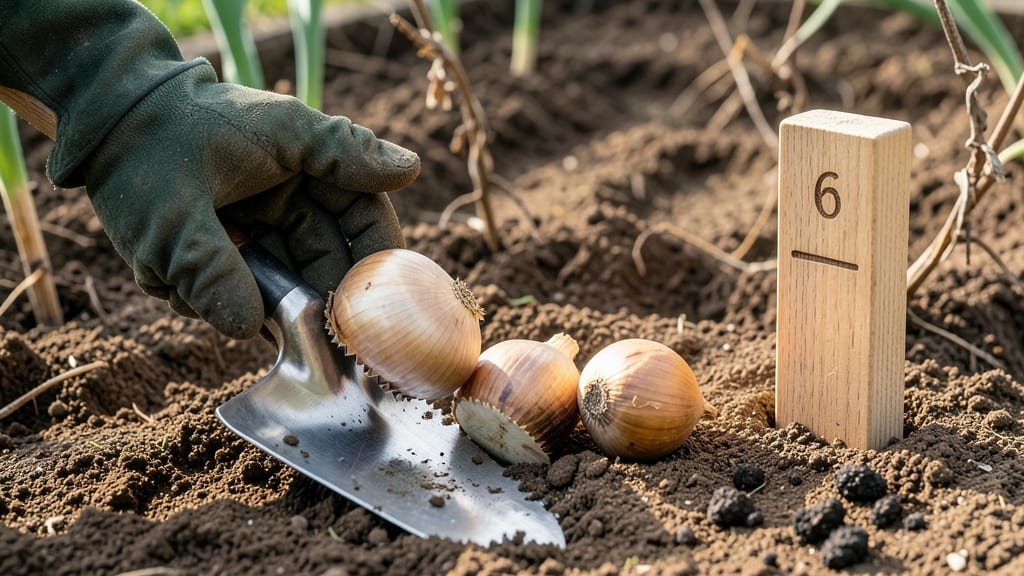
Timing your Spring-Planted Bulbs 🌷 in Zone 6a isn’t just about throwing them in the ground—it’s the difference between a garden bursting with color next spring and a sad, half-hearted attempt.
Plant too early, and you risk rot; too late, and frost will stunt their growth before they even get started.
I’ve learned the hard way that 6-8 weeks before the ground freezes is the sweet spot for fall planting, usually landing you in September or early October. This window lets those bulbs establish roots while staying safe from winter’s harshest chill.
But what if you miss it? Don’t panic—spring planting is still an option, though it requires a little extra care.
Whether you’re a seasoned gardener or just starting, getting this timing right means fewer headaches and more vibrant blooms come April. I’ll walk you through the exact months, soil prep secrets, and even what to do if you’re playing catch-up.
Let’s make sure your Zone 6a garden gets the showstopper it deserves.
Ready to turn your yard into a springtime masterpiece? The clock is ticking—literally. Grab your gloves, and let’s get those bulbs in the ground the right way.
Best months to plant spring-flowering bulbs in Zone 6A for frost-resistant roots
In Zone 6A, the 6-8 week window before your first frost is critical for planting spring-flowering bulbs. This typically lands between mid-September and mid-November, giving bulbs time to establish roots before winter dormancy.
For example, if your first frost hits October 15, aim to plant by September 1 to ensure strong root growth.
Bulbs like tulips, daffodils, and hyacinths thrive when planted in cool soil (60°F or below). The key is to avoid warm fall soil, which can cause rot.
In Zone 6A, soil temperatures drop below 60°F by early October in most areas, making late September to early October the sweet spot for most varieties.
🌱 Pro Tip: Use a soil thermometer to check temperatures—plant when soil is consistently below 60°F for 3-5 days.
🌷 Zone 6A Bulb Planting Timeline
| Bulb Type | Best Planting Month | Soil Temp Threshold | Frost Risk |
|---|---|---|---|
| Tulips | September-October | Below 60°F | Low (established roots) |
| Daffodils | October-November | Below 55°F | Very Low (hardy) |
| Hyacinths | September-October | Below 60°F | Moderate (needs chill) |
| Alliums | October-November | Below 50°F | Low (drought-tolerant) |
⏰ Key: Plant 6-8 weeks before your area's first frost date for optimal root development.
If you miss the fall window, early spring planting (March-April) is your second chance. However, bulbs planted in spring may bloom later or produce smaller flowers because they lack the chill period needed for full vigor.
For example, tulips planted in March might not reach their full potential until their second year.
Avoid planting in late November or December—the ground may freeze before roots establish. In Zone 6A, this means bulbs risk rot or heaving from freeze-thaw cycles. Instead, focus on early fall for the best results.
🌿 Soil Prep Tip: Amend your soil with compost or bone meal (5-10-10 NPK) before planting to give bulbs a nutrient boost for next spring's blooms.
For container gardening, plant bulbs in pots by late September and move them to a cool garage or unheated shed over winter. This mimics the chill period bulbs need to flower. Bring containers back indoors in late winter to encourage blooming.
📅 Zone 6A Reminder: Your last frost date is typically April 15, but bulbs planted in fall will already be dormant. Focus on root growth now—next spring's flowers depend on it!
Best months to plant spring-flowering bulbs in Zone 6A for frost-resistant roots
In Zone 6A, the 6-8 week window before the ground freezes is your golden opportunity to plant bulbs like tulips, daffodils, and hyacinths. This typically means aiming for mid-September to mid-October, but timing varies slightly based on your exact location and microclimate.
The goal? Give roots time to establish before winter dormancy sets in.
Soil temperatures below 50°F (10°C) signal it’s time to plant—this usually happens in late September for most of Zone 6A. If you’re in a cooler microclimate, like the higher elevations of the Appalachians, you might need to start as early as late August.
Use a soil thermometer to check; bulbs need 4-6 weeks of root growth before frost.
| Bulb Type | Ideal Planting Window | Soil Temp Threshold | Frost Risk |
|---|---|---|---|
| Tulips | Mid-September to mid-October | Below 55°F (13°C) | High (needs deep roots) |
| Daffodils | Late September to early November | Below 50°F (10°C) | Moderate (hardy) |
| Hyacinths | Early to mid-October | Below 55°F (13°C) | High (clump-forming) |
| Alliums | Late September to October | Below 50°F (10°C) | Low (drought-tolerant) |
If you miss the fall window, don’t panic—early spring planting (March to early April) works for most bulbs, though tulips and hyacinths may bloom later. Plant them 6-8 inches deep, with the pointy end up, in well-draining soil.
Add a 2-inch layer of mulch after planting to insulate roots and retain moisture during winter.
Pro tip: Test your soil’s drainage before planting. Bulbs rot in soggy soil, so amend heavy clay with compost or sand. In containers, use a mix of potting soil and perlite for airflow.
Once planted, water deeply but infrequently—once a week until the ground freezes—unless you’re in a drought-prone area.
Watch for early frosts in late October. If temperatures drop below 32°F (0°C) before bulbs root, cover them with straw or leaves for extra protection. Most bulbs handle 20°F (-7°C) once established, but young roots are vulnerable.
In Zone 6A’s colder microclimates, like the Midwest or Northeast, prioritize daffodils and crocuses—they’re the hardiest.
Remember, the earlier you plant, the longer roots grow before frost. But don’t rush—warm fall soil can cause bulbs to sprout too soon, leaving them vulnerable to freeze-thaw cycles. Aim for cool (50-60°F) soil temps and 6-8 weeks until frost for perfect timing. 🌱