
Plants
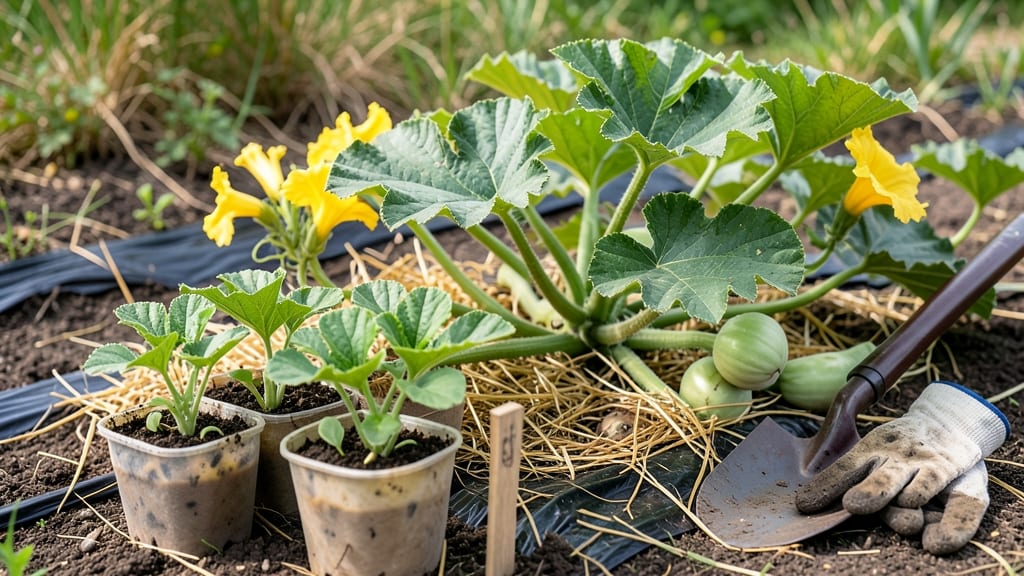
Timing your butternut squash planting in North Carolina can mean the difference between a thriving harvest and wasted effort. With frost dates shifting unpredictably from Raleigh to Asheville, getting those seeds in the ground at just the right moment is the key to avoiding early losses or late-season disappointments.
Most gardeners in Zone 7b wait until mid-April to early June—after the last frost has passed—to plant butternut squash (🎃). But here’s the catch: soil temperature matters just as much as calendar dates.
Planting too soon when the earth is still chilly can stunt growth, while waiting too long might cut your harvest short before the first frost.
I’ve tested the best strategies for NC’s climate, from direct sowing to transplanting seedlings, and I’ll share exactly when to start seeds indoors (if you’re ambitious) or when to rush them into warm soil.
You’ll also discover how to stretch your growing season with simple tricks that protect your plants from late-season frosts.
Ready to grow butternut squash that rivals the ones at the farmers’ market? Let’s dive into the frost-proof timeline that works for NC’s unique growing conditions—so you can enjoy homegrown squash from October straight through November.
Optimal planting dates for butternut squash in NC’s Zone 7b: soil temps & frost timeline
North Carolina’s Zone 7b climate offers a 165-day frost-free window—perfect for growing butternut squash. But timing is critical: plant too early, and late frosts (common until May 1) will kill tender seedlings.
Too late, and your harvest won’t mature before the first frost (October 15–November 15). Let’s break down the ideal planting windows for NC’s Piedmont, Coastal Plain, and Mountain regions.
For direct sowing (planting seeds directly in the garden), aim for mid-April to early June after the last frost. Butternut squash thrives when soil temperatures hit 60°F (15°C)—use a soil thermometer to confirm.
In Raleigh and Greensboro, this usually means waiting until April 20–May 1. Meanwhile, Asheville’s cooler microclimate may push planting back to May 1–15.
If you’re transplanting seedlings (started indoors or from a nursery), plant them 2–3 weeks after your last frost date. Seedlings need to be 3–4 weeks old and hardened off before going outdoors.
For NC, this typically aligns with late April to early May. Hardening off means gradually exposing seedlings to outdoor conditions over 5–7 days to avoid shock.
Butternut squash requires 90–110 days to mature, so work backward from your first frost date. For example, if frost arrives October 20, plant by July 20 to ensure a harvest.
However, succession planting (planting in batches) can extend your harvest window. Start with your first batch in mid-April, then add 2–3 more batches every 2 weeks until early June.
Here’s a quick reference for NC’s key regions:
| Region | Last Frost (Avg.) | First Frost (Avg.) | Ideal Planting Window | Soil Temp Threshold |
|---|---|---|---|---|
| Raleigh | April 15–April 30 | October 15–November 1 | April 20–May 15 | 60°F+ |
| Greensboro | April 10–April 25 | October 20–November 5 | April 25–May 10 | 60°F+ |
| Asheville | May 1–May 15 | October 5–October 20 | May 1–May 20 | 60°F+ |
| Coastal NC (Wilmington) | March 15–April 1 | November 15–December 1 | March 30–May 1 | 60°F+ |
For direct sowing, plant seeds 1 inch deep and 2–3 seeds per hill, spacing hills 4–6 feet apart. Butternut squash vines spread widely, so give them room to sprawl.
If you’re transplanting, dig holes twice as wide as the root ball and mix in compost to improve drainage. Water deeply after planting to settle the soil and encourage root growth.
Pro tip: Use black plastic mulch to warm the soil faster and suppress weeds. Lay it down 2 weeks before planting to let it heat up. This is especially helpful in cooler mountain regions like Asheville, where soil warms more slowly.
Pair mulch with row covers if planting early to protect seedlings from unexpected late frosts.
Monitor your plants closely for powdery mildew or cucumber beetles, common pests in NC’s humid summers. A neem oil spray or row covers can help prevent damage.
If you notice yellowing leaves, it may signal overwatering or nutrient deficiency—adjust your watering schedule or apply a balanced fertilizer (10-10-10) as needed.
By following these NC-specific planting dates and soil temperature guidelines, you’ll maximize your butternut squash yield and avoid common pitfalls like frost damage or poor germination. Happy planting! 🎃
Optimal planting dates for butternut squash in NC’s Zone 7b: soil temps & frost timeline
North Carolina’s Zone 7b climate offers a perfect window for growing butternut squash, but precise timing is critical. Unlike frost-sensitive crops, butternut squash thrives with warm soil temperatures (55°F+) and a 165-day frost-free season.
In most of NC—from Raleigh to Asheville—your planting window opens 2-3 weeks after your last frost date, typically between mid-April and early June.
For direct sowing, wait until soil reaches 60°F (15°C)—use a soil thermometer to confirm. In cooler microclimates like the mountains (Zone 6b), push planting to late May to avoid early-season chill. Meanwhile, coastal areas (Zone 8a) can start as early as mid-March under row covers.
📅 NC Butternut Squash Planting Timeline
| Stage | Action | Soil Temp | NC Regions |
|---|---|---|---|
| Seedlings Ready | Start indoors (4-6 weeks before last frost) | 60°F+ | Coastal: March 15 | Piedmont: April 1 | Mountains: April 15 |
| Direct Sowing | Plant seeds 1" deep, 2-3" apart | 60°F+ | Coastal: April 1 | Piedmont: April 15-May 1 | Mountains: May 15 |
| Transplant | Hardened seedlings, 2-3 ft apart | 55°F+ | All regions: April 15-June 1 |
| Harvest Window | Pick before first frost (October 15-Nov 15) | N/A | Coastal: Nov 1 | Piedmont: Oct 30 | Mountains: Oct 15 |
⚠️ Pro Tip: Use a frost calendar for your county (e.g., NC State Climate Office) to fine-tune dates.
Missed the spring window? Don’t despair—NC’s fall planting works too! Try succession planting in late July for a late-October harvest, using black plastic mulch to warm the soil. Just ensure your variety matures in 85-90 days (e.g., ‘Sugar Pie’ or ‘Waltham’).
For container growing, start seeds indoors by April 15 and transplant into 5-gallon pots by May 1. Containers dry out faster, so monitor soil moisture closely—butternut squash roots need depth (12"+). Place pots in full sun and use self-watering systems to maintain consistency.
Remember: Soil temperature > air temperature. Test with a thermometer at 2-inch depth—if it’s below 55°F, delay planting. Cold soil stunts roots and delays germination by 3-5 days per 10°F drop. 🌱
Once planted, mulch heavily with straw to retain heat and moisture. This keeps soil temps 5-10°F warmer than bare ground, extending your growing season by 1-2 weeks in cooler regions. Pair this with drip irrigation to avoid fungal issues from overhead watering.