Plants
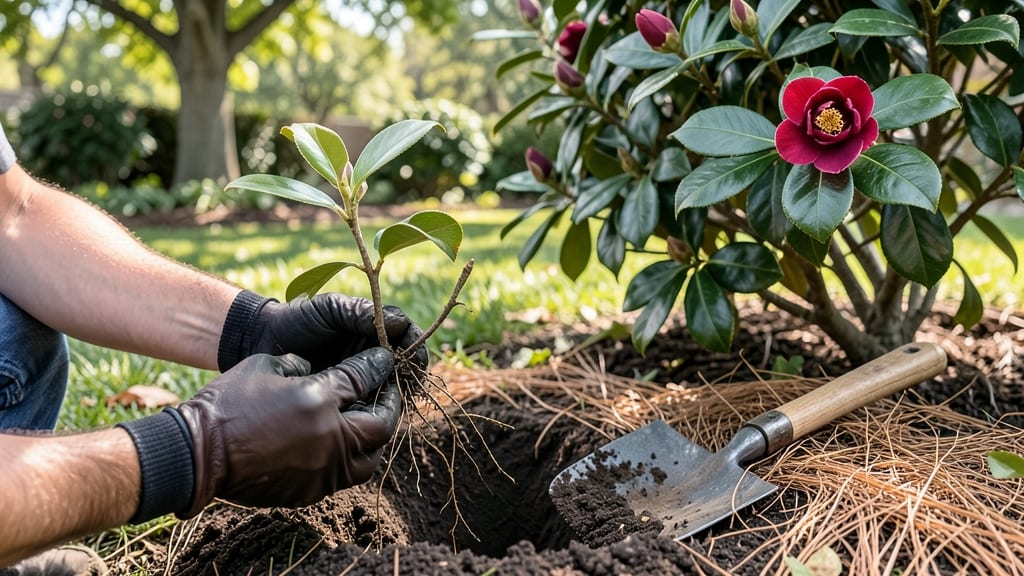
If you’ve ever dreamed of a North Carolina garden bursting with 🌸 vibrant camellias, timing your planting is the secret weapon you can’t afford to miss. The wrong window could mean struggling roots or lost blooms—while the perfect moment sets your shrub up for years of lush, show-stopping growth.
Here’s the truth: fall planting (October–November) is your golden ticket in NC’s 6b-8a zones, but spring (March) works too if you act fast. The key lies in avoiding frost, warming soil, and NC’s unpredictable weather shifts—especially in coastal vs. mountain regions.
Let’s break down exactly when to dig in for bold blooms that’ll make your neighbors green with envy.
Why does this matter? Camellias thrive when planted before the ground cools too much, but too early and you risk transplant shock. Too late, and winter’s chill stalls root growth.
I’ll show you how to read NC’s climate cues—like soil temperature and last frost dates—to nail the ideal window for your specific zone.
Whether you’re a first-time gardener or a seasoned pro, these insights will help you skip the guesswork. Ready to plant with confidence? Let’s get started.
NC frost-free zones & ideal camellia planting months by region
North Carolina spans USDA Zones 6b-8a, meaning frost dates vary dramatically from the Coastal Plain to the Mountains. Camellias thrive best when planted during their dormant season, which aligns with NC’s fall and early spring windows. The key is avoiding extreme heat or frost—both stress young roots.
For Zone 7 (Piedmont) and Zone 8 (Coastal Plain), the sweet spot is October through November. In Zone 6b (Mountains), shift planting to March-April to avoid late frosts. Hurricane season in the Coastal Plain also influences timing—plant before September storms arrive.
Here’s how NC’s three regions break down for optimal camellia planting:
| Region | USDA Zone | Ideal Planting Window | Last Frost Date | Soil Temp Threshold |
|---|---|---|---|---|
| Coastal Plain | 8a | October 1–November 15 | March 1–15 | 55–60°F |
| Piedmont | 7a–7b | October 15–November 30 | April 1–15 | 50–55°F |
| Mountains | 6b | March 15–April 30 | May 1–15 | 45–50°F |
🌱 Pro Tip: Use a soil thermometer to confirm temperatures—camellias hate cold soil!
In Zone 8a (Coastal Plain), you can even plant as late as December if soil temps stay above 55°F. However, avoid summer planting—the heat stresses roots before they establish. For Mountain gardeners, early spring planting lets roots grow before summer’s peak.
Local microclimates matter too. A sheltered valley in the Mountains may frost later than a hilltop, while a Coastal Plain garden near the ocean stays warmer longer. Always check your specific last frost date using the NC State Climate Office or Almanac.
If you miss the fall window, early spring is your backup—but rush only if you’re in Zone 7b or warmer. In cooler zones, wait until soil warms to 50°F to prevent root rot. Patience pays off: camellias planted at the right time bloom 2–3 years faster.
For container-grown camellias, timing shifts slightly. You can plant anytime soil isn’t frozen, but fall remains ideal—containers dry out faster in summer, stressing roots. Mulch heavily after planting to retain moisture and regulate soil temps.
One common mistake? Planting too early in fall when soil is still warm. This tricks camellias into early root growth, which gets damaged by winter frosts. Aim for 60°F soil or cooler to sync with dormancy.
Finally, consider hurricane season in the Coastal Plain. Planting before June 1 gives roots time to anchor before storms. If you’re late, opt for bare-root camellias—they establish faster than container-grown plants.
Ready to dig in? Grab your soil thermometer and check your local frost dates—your camellias’ future blooms depend on it! 🌸
NC frost-free zones & ideal camellia planting months by region
North Carolina’s diverse climate—from the cool Mountains to the humid Coastal Plain—means camellias thrive in different zones, but timing is critical. The USDA Zones 7-8 in NC offer two prime windows: fall (October-November) and early spring (March).
Fall planting gives roots time to establish before winter, while spring planting avoids summer heat stress. Let’s break it down by region to ensure your camellias bloom beautifully.
For Zone 7 (Mountains/Piedmont), aim for late October to early November—soil temps drop below 60°F by mid-November, signaling dormancy. In Zone 8 (Coastal Plain), extend your window to November or even early December, as milder winters delay frost.
Hurricane season (June-November) in Coastal NC also influences timing—avoid planting in September when storms can uproot young shrubs.
| Region | USDA Zone | Best Planting Months | Avoid Planting | Key Notes |
|---|---|---|---|---|
| Mountains (Asheville) | 7a-7b | Late Oct–Nov | Feb–Apr (frost risk) | Soil temps drop below 60°F by Nov 15 |
| Piedmont (Raleigh) | 7b-8a | Oct–Nov | Jan–Mar (winter chill) | Last frost: April 1 |
| Coastal Plain (Wilmington) | 8a-8b | Nov–Dec | Sep (hurricane season) | First frost: Nov 10 |
Spring planting in NC works best in March, once soil temps rise above 55°F and frost risk passes. In Zone 7, wait until mid-March to avoid late frosts, while Zone 8 gardeners can plant as early as February.
Early spring planting lets camellias establish roots before summer’s heat, but avoid planting in April—summer’s intense sun can stress young plants.
Microclimates matter! Urban areas like Charlotte (Zone 8a) may have warmer microclimates than rural zones, allowing slightly later fall planting. Conversely, high-elevation gardens in the Blue Ridge Mountains (Zone 6b) should plant in September to avoid early frosts.
Use a soil thermometer to confirm temps are ideal—60–70°F is perfect for root growth.
Pro tip: Container-grown camellias can be planted year-round in NC, but fall remains ideal. Their established root systems handle transplant shock better, even in December if soil isn’t frozen. Just mulch heavily to insulate roots during winter. For bare-root camellias, stick to dormant season (Nov–Feb) to minimize stress.
Remember, hurricane season (June–Nov) in Coastal NC adds urgency—plant in October to give roots time to anchor before storms. In the Mountains, prioritize fall planting to leverage cooler temps and winter rains.
Whether you’re in Raleigh or Wilmington, aligning your planting with NC’s frost-free timeline ensures your camellias thrive year after year.