
Plants
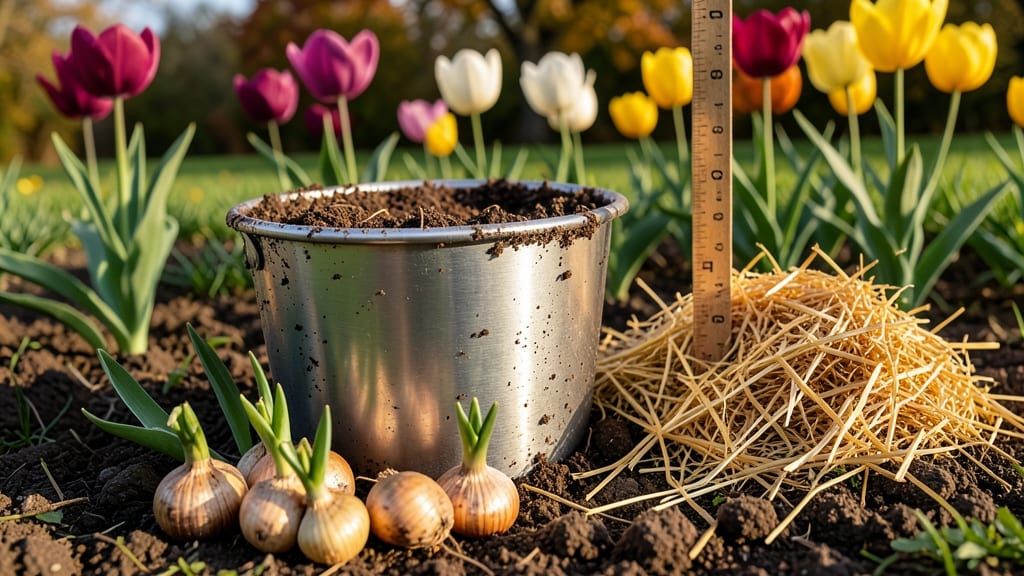
Planting tulip bulbs in North Carolina at the wrong time can mean the difference between a stunning spring garden and a disappointing flop. With NC’s variable climate—from the Piedmont’s cooler hills to the Coastal Plain’s milder winters—timing is everything to ensure those 🌷 blooms thrive.
Most gardeners assume "fall planting" means anytime after summer, but in Zone 6a-8a, rushing too early or waiting too late can backfire. The ideal window—October through mid-November—lets bulbs root before winter’s chill sets in, setting the stage for vibrant blooms by April.
Why does this matter? Because tulips planted too soon may rot in warm soil, while those planted too late won’t establish roots before frost. I’ll break down the exact timing for your region, plus soil prep tips to guarantee success—so you can enjoy those cheerful blooms year after year.
Ready to transform your garden? Let’s dive into the secrets of planting tulips in NC’s fall climate, so you can skip the guesswork and enjoy a showstopping spring display.
Ideal fall planting window for North Carolina tulip bulbs
North Carolina’s Zone 7a-8a climate creates a 6-week window for planting tulip bulbs—typically from mid-October to mid-November. This timing ensures bulbs establish roots before winter dormancy, while avoiding summer heat stress. Missing this window risks poor blooms or bulb rot, so mark your calendar now!
Your exact planting dates depend on your region. In Raleigh (Zone 7b), aim for October 15–November 15, while Asheville (Zone 6b) gardeners should plant by October 1–November 10. Charlotte’s Zone 7a-8a range means flexibility until mid-November, but don’t wait too long!
Here’s the golden rule: Plant tulips 6 weeks before the ground freezes. In most of NC, this means by November 15, but check your local first frost date—Asheville’s earlier frost means earlier planting. Use the USDA Plant Hardiness Zone Map to confirm your zone.
The soil temperature is your best guide. Tulips need 45–55°F soil to root properly. Test with a soil thermometer or wait until daytime highs drop below 70°F. In NC, this usually happens by late September to early October, but watch for heatwaves!
Regional microclimates matter too. Coastal areas like Wilmington (Zone 8a) can plant later, while mountain regions like Boone (Zone 6a) need to plant earlier. Even a 5-mile elevation change can shift your frost date by 1–2 weeks, so adjust accordingly.
Pro Tip: If you’re unsure, plant early in the window. Bulbs can sit dormant in cool soil for weeks, but they’ll rot if planted too late. Aim for October 15 as your safe starting point across most of NC.
🌱
| Region | USDA Zone | Ideal Planting Window | Soil Temp Goal | Last Planting Date |
|---|---|---|---|---|
| Raleigh | 7b | Oct 15–Nov 15 | 45–55°F | Nov 15 |
| Asheville | 6b | Oct 1–Nov 10 | 45–55°F | Nov 10 |
| Charlotte | 7a–8a | Oct 20–Nov 20 | 45–55°F | Nov 20 |
| Coastal (Wilmington) | 8a | Nov 1–Nov 25 | 45–55°F | Nov 25 |
| Mountains (Boone) | 6a | Sep 25–Oct 15 | 45–55°F | Oct 15 |
Even within NC’s zones, microclimates play a role. A south-facing slope warms faster than a north-facing yard, so adjust your planting date accordingly. For example, Asheville gardeners on sunny slopes might plant until November 1, while shaded areas should aim for October 15.
If you’re new to tulip planting, err on the side of earlier planting. Bulbs planted in early October can wait 4–6 weeks in cool soil without issues. However, planting after November 15 risks bulbs rotting before winter dormancy sets in.
🌿
For container gardening, the window is slightly narrower—aim for October 1–November 1—since pots freeze faster. Use black plastic containers to absorb heat and extend your planting window by 1–2 weeks in cooler microclimates.
Finally, check your bulb quality before planting. Fresh bulbs with firm, dry skins
5 Critical factors that determine your planting success
Planting tulip bulbs in North Carolina isn’t just about picking a month—it’s about understanding 5 key factors that make or break your spring blooms. I’ve learned the hard way that ignoring these can turn your tulip dreams into wilted disappointment.
Let’s break down what truly matters beyond just the calendar.
First, soil temperature is your secret weapon. Tulip bulbs need 45-55°F soil to root before winter sets in. Use a soil thermometer ($10 at garden centers) to check—if it’s below 45°F, wait.
In Raleigh, this usually means mid-October, while Asheville’s cooler climate may push you to late September.
Next, moisture levels during planting are non-negotiable. Bulbs rot if planted in soggy soil, but they also dry out if the ground is too hard. Aim for consistently moist (not waterlogged) soil. A simple trick? Plant after a light rain—nature waters for you!
Don’t overlook bulb quality. I once bought discount bulbs online that were soft and shriveled—big mistake! Choose firm, plump bulbs from reputable sellers like Bare Root Nursery or local garden centers. Pro tip: Discard any bulbs with mold, cracks, or sprouts already growing—they won’t thrive.
Your local microclimate can shift planting by weeks. A south-facing slope in Charlotte warms faster than a shady forest edge in Boone. Observe your yard: Does frost linger in low spots? Does heat bake your raised beds? Adjust your timing 2-3 weeks earlier for warm microclimates.
Finally, planting depth and spacing affect bulb survival. In NC’s clay-heavy soils, plant 6-8 inches deep (deeper in sandy soils) and 6 inches apart. Too shallow? Freeze damage.
Too crowded? Fungal diseases spread. Use a bulb planter or trowel to ensure consistency—my first year, I eyeballed it and ended up with uneven blooms.
Here’s my non-negotiable