
Plants
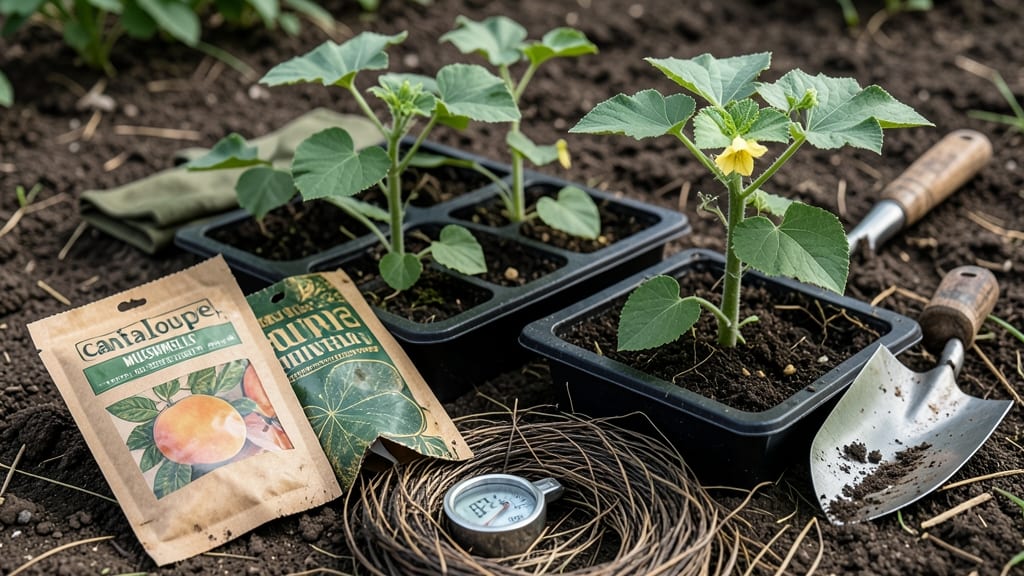
Planting cantaloupe in Arizona isn’t just about timing—it’s about outsmarting the desert’s 100°F+ heat before your vines bolt and leave you with bitter fruit instead of sweet 🍈 rewards. Most gardeners make one critical mistake: they wait too late, only to watch their plants race toward flowering without producing melons.
The secret lies in starting seeds indoors or in shaded beds by February, when soil temperatures hover around 70°F—the sweet spot for germination. Arizona’s 9b climate means no frost to worry about, but the real enemy is the relentless summer sun.
Transplant seedlings outdoors by early March, giving them 60-75 days to mature before the heat peaks in June.
But here’s the twist: fall planting works too. Skip the summer slump by sowing seeds again in September, when temperatures dip just enough to let vines recover from heat stress. With these windows, you’ll harvest melons in May-June or November-December—just in time for summer salads or holiday feasts.
Ready to beat the heat? I’ll show you how to prep soil, time watering, and use shade tricks to keep your cantaloupe thriving—no guesswork, just guaranteed sweet success. Let’s get those seeds in the ground the right way.
Arizona cantaloupe planting calendar: best months to avoid bolting
Arizona’s frost-free climate and intense summer heat create a unique challenge for cantaloupe growers. Unlike northern states, you can’t rely on frost dates—your planting windows hinge on soil temperatures and heat tolerance thresholds.
The key? Plant when daytime temps hover between 70°F-85°F and nighttime temps stay above 60°F. Skip planting during peak summer heat (above 100°F), or your vines will bolt prematurely.
Cantaloupes thrive in Arizona’s spring and fall seasons, but the timing varies dramatically between low desert (Phoenix, Tucson) and high desert (Flagstaff, Prescott). Low desert areas can plant as early as late January, while high desert gardeners should wait until mid-March to avoid cold snaps.
The goal? Beat the 100°F+ heat that triggers bolting—when plants flower and fruit before maturing.
Here’s the exact planting calendar for Arizona’s two main regions, including soil temp requirements and heat avoidance strategies to maximize your harvest:
| Region | Best Planting Window | Soil Temp | Heat Strategy | Harvest Window |
|---|---|---|---|---|
| Low Desert (Phoenix, Tucson) | Late January–Early March September 15–October 15 |
70°F+ (use soil thermometer) | Use shade cloth 30% in June–July | April–May November–December |
| High Desert (Flagstaff, Prescott) | Mid-March–Early April September 1–September 15 |
65°F+ (warmer microclimates) | Plant near water features to cool soil | May–June October–November |
For spring plantings, aim to harvest before June’s scorching heat (target 75 days to maturity). If you miss spring, fall plantings in September yield melons before winter cools the soil.
Pro tip: Use black plastic mulch to warm soil faster in early spring or drip irrigation to maintain moisture during summer’s dry spells.
Cantaloupes hate cold soil, so avoid planting until the ground reaches 70°F. Test with a soil thermometer—if it’s below 65°F, wait. In Arizona, this usually means mid-February for low desert and late March for high desert.
Seedlings planted too early in cool soil rot or stunt, leading to poor yields.
If you’re starting seeds indoors, begin them 4-6 weeks before your outdoor planting date. Use biodegradable pots to avoid transplant shock when moving to the garden. Harden off seedlings by placing them outdoors in partial shade for 2-3 hours daily, gradually increasing exposure.
This hardening process prevents shock when they hit Arizona’s dry, hot air.
One critical mistake Arizona gardeners make? Planting too late in spring and ending up with bolted plants by June. To avoid this, monitor weather forecasts and plant 2-3 weeks earlier if a heatwave is predicted.
Fall plantings are safer because cooler nights slow bolting, but avoid planting after October 15—melons need 60+ days to mature before winter chills arrive.
For container growing, use 5-gallon pots with well-draining soil and plant 1-2 seeds per container. Containers warm up faster than ground soil, so you can plant 1-2 weeks earlier than in-ground plantings. Just ensure pots stay consistently moist—Arizona’s dry winds dry containers out quickly.
Remember: Cantaloupes need space. Give vines 3-6 feet of spread and trellis them if space is limited. In Arizona’s low-humidity climate, trellising also improves airflow, reducing powdery mildew risks. Mulch with straw or wood chips to retain moisture and keep roots cool during 110°F+ days.
🌱
Desert heat hacks: how to extend Arizona’s cantaloupe growing season
Arizona’s 100°F+ summers can turn cantaloupe vines into bolting disasters—but smart timing and shade strategies let you harvest sweet melons through fall. The key? Start early and protect plants from midday heat stress while maintaining soil moisture.
I’ve grown cantaloupes in Phoenix and Tucson for years, and these tricks keep vines thriving when others fail.
Your first move: plant seeds in February for spring harvests or September for fall crops. But here’s the secret weapon—30% shade cloth during May-July—it drops soil temps by 10°F+ and prevents bolting.
I use lightweight white fabric (not black plastic) to avoid overheating roots. Pair this with drip irrigation timed for dawn hours to maximize water absorption.
🌱
For container growers, use 5-gallon pots with fast-draining mix and move them to shaded patios during peak heat. I’ve grown cantaloupes in Tucson balconies this way—just fertilize lightly with fish emulsion every 4 weeks to avoid salt buildup.
Pro tip: Monitor soil temps with a thermometer. Cantaloupes bolt when soil hits 90°F+—if yours do, prune flowers to redirect energy to roots. With these hacks, I’ve pushed harvests 3 weeks later than neighbors who plant too late.
☀️