
Plants
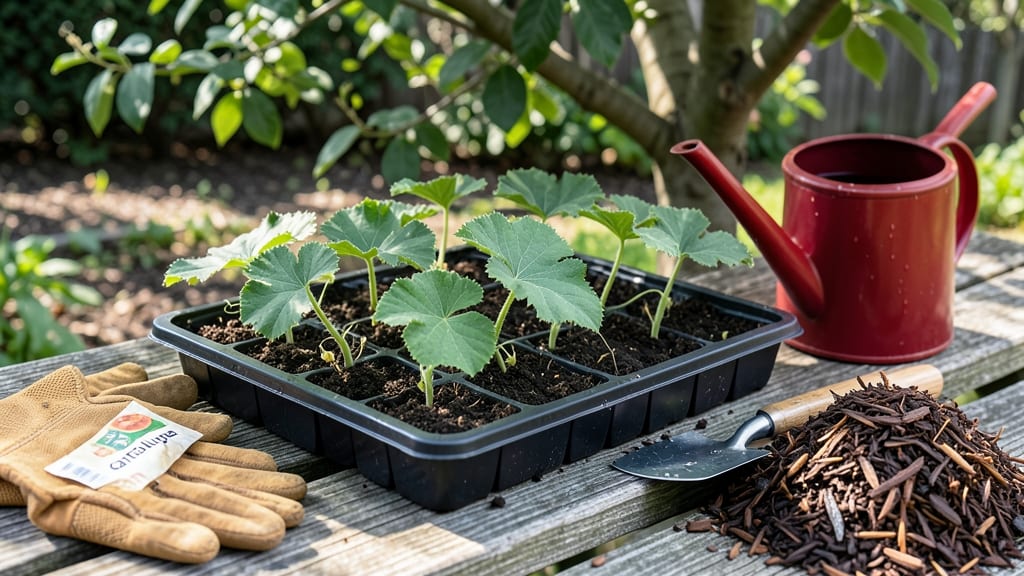
Timing your cantaloupe planting in North Texas can make or break your harvest—get it wrong, and you'll end up with wilted vines instead of sweet, ripe fruit.
The key is understanding when the soil warms up enough to support those heat-loving 🍈 plants, typically between March 15 and April 15 in USDA Zone 8a.
Most gardeners in North Texas wait until after the last frost (February 15) and when soil temperatures hit at least 60°F, but rushing the process can lead to stunted growth.
Cantaloupes thrive in summer heat, so planting too early risks frost damage, while waiting too long may push your harvest into September when temperatures start dropping again.
In this guide, I’ll break down the exact planting windows for your region, including soil prep tips and how to choose heat-tolerant varieties that perform best in North Texas’s climate.
Whether you’re a first-time grower or a seasoned gardener, these insights will help you maximize your yield and enjoy homegrown cantaloupe from June through August.
Don’t let the unpredictable North Texas weather derail your garden plans—learn how to align your planting schedule with the season’s natural rhythm for a bountiful harvest. Let’s get those vines growing strong!
North Texas cantaloupe planting calendar: exact start dates by variety
Cantaloupe thrives in North Texas' hot summers, but timing is critical. The last average frost date in most North Texas zones (7-9) falls around March 15 for Dallas/Fort Worth and March 1 for Amarillo.
However, soil temperature matters more than calendar dates—wait until the ground reaches at least 60°F (15°C) before planting.
Direct sowing is preferred over transplants since cantaloupe vines hate root disturbance. Start seeds 1/2 inch deep in hills spaced 3-6 feet apart to give vines room to sprawl. For extended seasons, use black plastic mulch to warm soil faster and retain moisture.
Here’s your North Texas cantaloupe planting timeline, broken down by region and method:
| Region | Last Frost Date | Ideal Planting Window | Soil Temp Threshold | Method |
|---|---|---|---|---|
| Dallas/Fort Worth (Zone 8a) | March 15 | March 22 – April 15 | 60°F+ (15°C+) | Direct sow after last frost |
| Lubbock (Zone 8a) | March 1 | March 15 – April 1 | 60°F+ (15°C+) | Direct sow or start indoors (transplant after April 15) |
| Amarillo (Zone 7b) | April 15 | April 22 – May 10 | 65°F+ (18°C+) | Direct sow only (transplants struggle) |
| All Regions (Late Planting) | N/A | May 15 – June 1 (for fall harvest) | 60°F+ (15°C+) | Direct sow with shade cloth |
For early starts, use biodegradable seed pots or starter trays indoors 2-3 weeks before your region’s last frost. Harden off seedlings for 7-10 days before transplanting to avoid shock. My go-to variety for North Texas is 'Athena', which handles heat better than most.
If you’re in West Texas (Lubbock/Amarillo), consider succession planting every 2 weeks until June 1 to stagger harvests. The 195 frost-free days in North Texas give you plenty of time, but heat waves above 100°F can stress vines—so plan for shade cloth if needed.
Pro tip: Use a soil thermometer to confirm readiness. Cantaloupe seeds won’t germinate below 60°F, and cool soil can lead to damping off. Once planted, maintain consistent moisture—drought stress causes bitter fruit.
For container growing, choose 5-gallon pots with drainage and plant 1 vine per container. Containers dry out faster, so water daily during summer. My urban gardeners often use self-watering planters to simplify care.
Harvest begins 70-90 days after planting, typically in late June to August. Look for cream-colored rinds and a sweet aroma at the stem—these are your cues. Miss the window, and you’ll be left with overripe, seedy melons.
🌱
North Texas cantaloupe planting calendar: exact start dates by variety
Cantaloupes thrive in North Texas's hot summers, but timing is critical—plant too early, and frost will kill seedlings; too late, and you’ll miss the 90-day harvest window. The key is aligning your planting with soil temperatures and last frost dates, which vary slightly across the region.
In USDA Zone 8a (typical of Dallas/Fort Worth, Waco, and San Angelo), the last average frost date falls around March 15, but soil may still be too cold for cantaloupes.
Always wait until soil reaches 60°F (15°C)—use a soil thermometer to confirm. For Amarillo (Zone 7b), push back to April 1 due to colder springs.
Here’s your North Texas cantaloupe planting timeline, broken down by method and variety:
| Planting Method | Ideal Start Date (Dallas/FW) | Ideal Start Date (Amarillo/Lubbock) | Soil Temp Requirement | Notes |
|---|---|---|---|---|
| Direct Sowing | April 15–May 1 | April 30–May 15 | 60°F+ (15°C+) | Best for heat-tolerant varieties like 'Athena'; avoid transplant shock. |
| Transplant (Seedlings) | March 20–April 10 | April 1–April 15 | 55°F+ (13°C+) | Start seeds indoors 3–4 weeks before last frost; harden off seedlings. |
| Late Summer (Succession) | July 15–August 1 | July 1–July 15 | 70°F+ (21°C+) | For fall harvest; use fast-maturing varieties like 'Minnesota Midget'. |
For Lubbock and West Texas, where summers are hotter and drier, prioritize shade cloth after transplanting to prevent stress. In East Texas (Zone 8b), you can start as early as March 1 if using black plastic mulch to warm soil faster.
Pro tip: Use biodegradable seed starters for direct sowing—they protect young plants from cutworms and retain moisture in North Texas’s dry winds. Once vines spread, they’ll shade the soil naturally, reducing water needs by 30%. 🌱
Remember: Cantaloupes need consistent heat to set fruit. If temperatures dip below 70°F (21°C) for more than a week during flowering, you may need to hand-pollinate with a small brush to boost yields. ☀️