
Plants
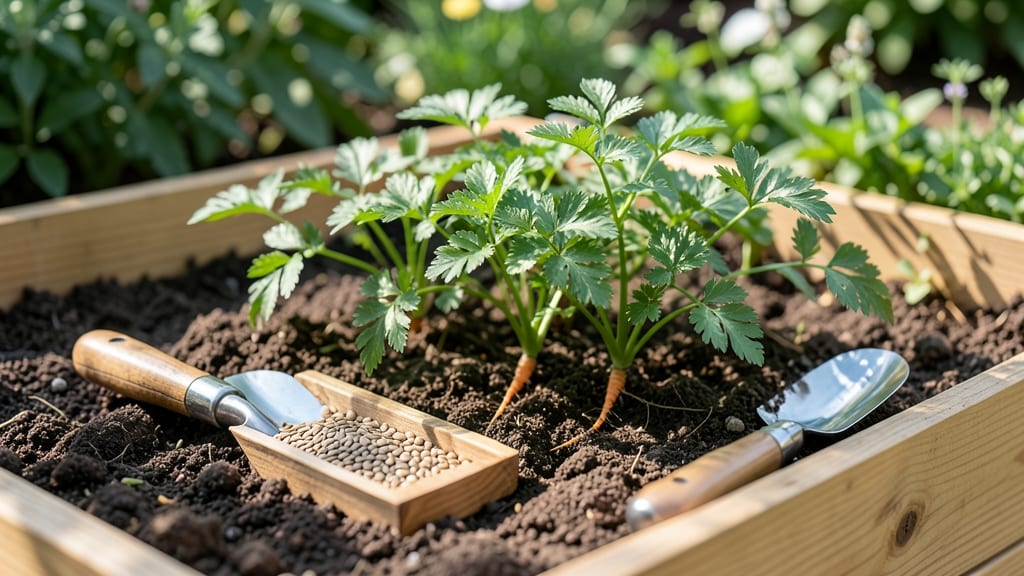
Timing your carrot planting in Nebraska isn’t just about following a calendar—it’s about outsmarting the state’s unpredictable swings from frost to heat.
With USDA zones 5a-6b and microclimates that vary dramatically, getting those seeds in the ground at the right moment means the difference between a bountiful harvest and a sad, stunted 🥕 pile.
You might think spring is the only time to plant, but Nebraska gardeners know better: fall planting can actually give you sweeter, more tender carrots. The key?
Starting March 15–April 30 for spring crops and August 1–September 15 for fall, while avoiding the April 15 average last frost date that can still sneak up on you.
Here’s the game-changer: your location matters. Western Nebraska’s sandy soils warm faster than eastern clay, meaning you can plant earlier in Kearney than in Lincoln. I’ll break down exactly how to adjust your schedule based on where you live—plus, the best varieties to grow for your microclimate.
Ready to stop guessing and start growing? Let’s dive into the precise planting windows, soil prep tricks, and frost-free strategies that’ll have you pulling perfect carrots all season long.
Nebraska carrot planting dates by USDA hardiness Zone (2024 guide)
Nebraska’s USDA hardiness zones 4a-6b create distinct planting windows for carrots. The average last frost date shifts from April 15 in northern zones to May 1 in southern regions, while the first frost arrives between October 15-30.
Timing your plantings around these dates prevents frost damage and bolting, especially for cool-season varieties.
For spring planting, aim to sow seeds 2-4 weeks before your last frost date. This means mid-March in southern Nebraska (e.g., Omaha, Lincoln) and late April in northern areas (e.g., Scottsbluff, Chadron).
Fall plantings should occur 8-10 weeks before your first frost, typically August 1-September 15.
Carrots thrive in 50-80 days to maturity, so adjust your planting schedule to ensure harvests occur before summer heat or fall frosts. In Zone 5a (northern NE), focus on early spring and late summer plantings, while Zone 6b (southern NE) gardeners can extend into early fall.
🌱 Nebraska Carrot Planting Timeline by Zone
| USDA Zone | Last Frost Date | Spring Planting Window | Fall Planting Window | Key Cities |
|---|---|---|---|---|
| 4a (Northern NE) | April 25-May 5 | Late April-Early May | August 15-September 5 | Scottsbluff, Chadron |
| 5a (Central NE) | April 15-20 | Mid-April-Mid-May | August 1-September 10 | North Platte, Kearney |
| 5b (Eastern NE) | April 1-10 | Late March-April 15 | August 15-September 20 | Lincoln, Omaha |
| 6a-6b (Southeast NE) | March 25-April 5 | Mid-March-April 30 | August 1-September 25 | Beatrice, Hastings |
*Dates based on 30-year averages; use local weather forecasts for adjustments.
In Zone 6b, you can even try early spring plantings in March if you use row covers or cold frames to protect seedlings. For fall harvests, prioritize varieties that mature in 60-70 days to avoid early frosts.
Southern Nebraska’s longer growing season allows for succession plantings every 2-3 weeks from spring to early summer.
Always check your local frost dates via the National Weather Service or Nebraska State Climate Office, as microclimates can shift dates by 1-2 weeks. Urban areas like Omaha often experience warmer microclimates than rural zones, delaying frost dates by 5-7 days.
For container growing, plant 4-6 weeks earlier than in-ground plantings, as pots warm up faster. Use black plastic mulch to accelerate soil warming in cool spring months, especially in Zone 4a. This can push your planting window 2-3 weeks earlier.
Remember: Carrots prefer cool soil (ideal 60-70°F). If soil temps exceed 80°F, seeds may fail to germinate or seedlings will bolt prematurely. Use shade cloth in summer for fall plantings to maintain optimal temperatures.
Pro tip: Plant a test row 2 weeks before your target date to gauge soil conditions. If seedlings emerge within 7-10 days, your timing is perfect. If germination takes 2+ weeks, wait another week before full planting.
How to adjust planting times for Nebraska’s microclimates (soil & sun factors)
Nebraska’s diverse geography—from the sandy loam of the western panhandle to the clay-heavy soils of eastern regions—means your carrot planting timeline should adapt to local conditions. Soil type and sun exposure can shift ideal planting windows by weeks, especially in urban areas where pavement creates heat islands.
Let’s break down how to fine-tune your schedule for maximum success.
In western Nebraska (USDA Zones 4a-5a), where soils drain quickly and temperatures fluctuate wildly, start carrot seeds indoors 6-8 weeks before your last frost date (typically mid-March). The sandy soil warms faster in spring, but it also loses moisture quickly—so use black plastic mulch to retain heat and water.
For eastern Nebraska’s heavier clay soils, wait until mid-April to plant directly outdoors, as cold, wet conditions slow germination.
⚠️ Microclimate Warning:
Planting too early in clay soils risks rot from poor drainage, while sandy soils may cause seeds to dry out before sprouting. Always test soil temperature—carrots need 50°F+ soil to germinate reliably.
Urban gardeners in Omaha or Lincoln face unique challenges: concrete heat islands can push soil temperatures 10°F+ higher than rural areas. If your garden sits in full sun near buildings, start seeds 2 weeks earlier than rural guidelines.
Conversely, shaded urban lots (common in older neighborhoods) may need late-April or May plantings to avoid leggy, bolting carrots. Use a soil thermometer to confirm readiness—60°F+ soil is ideal for direct sowing.
To extend Nebraska’s short growing season, try these soil-warming hacks:
- Black plastic mulch: Raises soil temps by 5-10°F and suppresses weeds.
- Row covers: Protect seedlings from late spring frosts (common until May 10 in northern NE).
- Straw mulch: Retains moisture in sandy soils while moderating temps in clay.
For fall plantings, aim for August 1-15 in most of Nebraska, but adjust based on your microclimate. In western regions, where nights cool faster, you can push plantings to late August.
In eastern areas, stick to early August to avoid early October frosts. Always use cold-hardy varieties like ‘Chantenay’ if planting near the season’s end.
Pro tip: Succession plant every 2 weeks in spring and fall to account for Nebraska’s unpredictable weather. This ensures a continuous harvest even if one batch struggles with unexpected cold snaps or drought stress. Keep a planting journal to track what works best in your specific microclimate!