
Plants
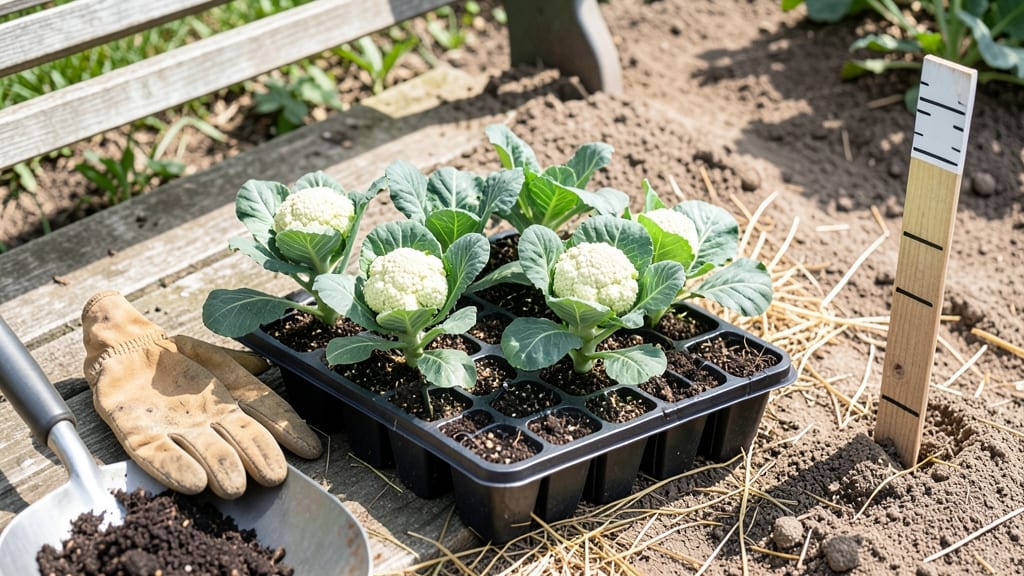
If you've ever struggled with when to plant cauliflower in Michigan, you're not alone—getting the timing right can mean the difference between a bountiful harvest and a bitter disappointment. Michigan's unpredictable frosts and short growing season demand precision, especially for cool-weather crops like cauliflower 🌱.
Plant too early, and a late frost will turn your tender seedlings into sad, wilted memories. Too late, and your plants might bolt before you even see a head form.
The key lies in understanding your USDA zone—whether you're in Zone 4 or Zone 6—and aligning your planting with Michigan's frost-free timeline.
In this guide, I'll walk you through the exact windows for spring and fall planting, soil temperature thresholds, and how to adjust for your local microclimate. You'll learn how to avoid common pitfalls like bolting and frost damage, so you can enjoy crisp, flavorful cauliflower straight from your garden.
Ready to master the art of Michigan cauliflower growing? Let's dive into the strategies that will give you the perfect harvest—no guesswork required.
Michigan cauliflower planting calendar: exact weeks before/after last frost
Michigan’s USDA zones 4–6 mean your cauliflower planting window hinges on last spring frost and first fall frost. Most regions experience 120–150 frost-free days, leaving just 3–4 months for a full harvest.
Timing is critical—plant too early, and frost will blacken your heads; too late, and heat triggers bolting (flowering) before you harvest.
For spring plantings, start seeds 6–8 weeks before your last frost date. In Michigan, this typically means mid-March to early April for indoor starts, with transplanting outdoors 2–3 weeks after last frost (usually late April to mid-May).
Use row covers for early starts to protect from late frosts.
Fall plantings are trickier but possible in northern Michigan (zones 4–5). Seedlings need 70–80 days to mature before first frost, so aim for late July to early August transplants. Southern Michigan (zone 6) can extend this to mid-August with season extenders.
Here’s your Michigan cauliflower planting timeline, broken down by zone and key milestones:
Soil temperature is just as critical as air temperature. Cauliflower thrives in 60–70°F soil, but seedlings won’t survive below 45°F. Use a soil thermometer to confirm readiness—wait until soil warms to 50°F for transplanting. In northern Michigan, this often means waiting until late May.
For fall harvests, focus on heat-tolerant varieties like ‘Purple of Sicily’ or ‘Snowball Y Improved’. These handle Michigan’s summer heat waves better than standard types. Pair them with drip irrigation to keep soil consistently moist, which prevents stress-induced bolting.
Pro tip: Succession plant every 2–3 weeks in spring for a staggered harvest. This ensures you’re not overwhelmed with maturing heads all at once and maximizes your frost-free window.
For example, plant one batch in late April and another in early June—the first will harvest in July, while the second matures in August.
Watch for microclimates in your area. South-facing slopes warm up faster, while low-lying areas hold frost longer. If your yard has frost pockets, plant cauliflower on hillsides or use black plastic mulch to raise soil temperatures by 5–10°F.
Finally, always check your local frost dates—they can vary 1–2 weeks from averages. Use resources like the Michigan State University Extension or Almanac.com for hyper-local data. With precise timing, you’ll avoid the two biggest cauliflower killers in Michigan: frost and bolting.
How to extend Michigan’s cauliflower growing season without risking bolting
Michigan’s short growing season can feel like a race against time for cauliflower lovers. But with the right season-extending tactics, you can push harvests into late fall or even early spring without triggering bolting.
The secret? Controlling temperature swings and using protective barriers to shield plants from Michigan’s unpredictable frosts and heat waves.
Start with row covers or floating tunnels, which add 4–8°F of warmth and protect seedlings from late spring frosts. These lightweight fabrics let sunlight through while blocking chilling winds that stress plants.
For fall plantings, use them to delay first frost by 2–3 weeks, giving your cauliflower more time to mature.
Cold frames are another game-changer for northern Michigan gardeners. A simple Plexiglas box over your plants can extend the season by 4–6 weeks in both spring and fall.
Just ensure it’s ventilated to prevent overheating—cauliflower wilts quickly in above-80°F soil. I’ve seen gardeners in Zone 4 harvest cauliflower into mid-October using this method!
🌱 5 Proven Ways to Extend Michigan Cauliflower Season
- 🌡️ Use row covers to add warmth and protect from late frosts (spring) or early cold snaps (fall).
- ☀️ Plant heat-tolerant varieties like ‘Purple of Sicily’ or ‘Snowball Y Improved’—they handle 85°F+ better than standard types.
- 💧 Install drip irrigation to maintain consistent soil moisture, which prevents stress-induced bolting during heat waves.
- ⏳ Try succession planting every 2–3 weeks in spring for staggered harvests—avoids overcrowding and maximizes your frost-free window.
- 🏡 Build a cold frame or use hoop houses to push harvests into late fall or early spring.
💡 Pro Tip: Pair row covers with black plastic mulch to warm soil faster in spring.
Don’t overlook succession planting—this is my favorite trick for Michigan gardeners. Instead of one big planting, space out 3–4 batches every 2–3 weeks in spring. The first batch harvests in July, while the last matures in September, giving you a 3-month supply of fresh cauliflower.
Just adjust spacing to 18–24 inches apart to avoid competition.
For fall harvests, focus on heat-tolerant varieties like ‘Purple of Sicily’ or ‘Snowball Y Improved’. These handle Michigan’s summer heat waves better than standard types. Pair them with shade cloth (30–50%) during peak afternoon heat to prevent bolting.
I’ve had success with 50% shade cloth in Zone 5 during July–August—it keeps soil temps stable and heads tight.
Finally, monitor soil temperature like a hawk. Cauliflower bolts when soil exceeds 80°F for prolonged periods. Use a soil thermometer to check daily—if temps creep up, water deeply to cool the soil or provide afternoon shade.
In southern Michigan (Zone 6), this means mid-August plantings can still yield harvests by late October if you’re vigilant.
With these tactics, you’ll turn Michigan’s short season into a cauliflower goldmine. Whether you’re using row covers, cold frames, or heat-tolerant varieties, the key is consistency.
Bolting happens when plants feel stressed—give them stable conditions, and they’ll reward you with perfect heads all season long. 🌿