Plants
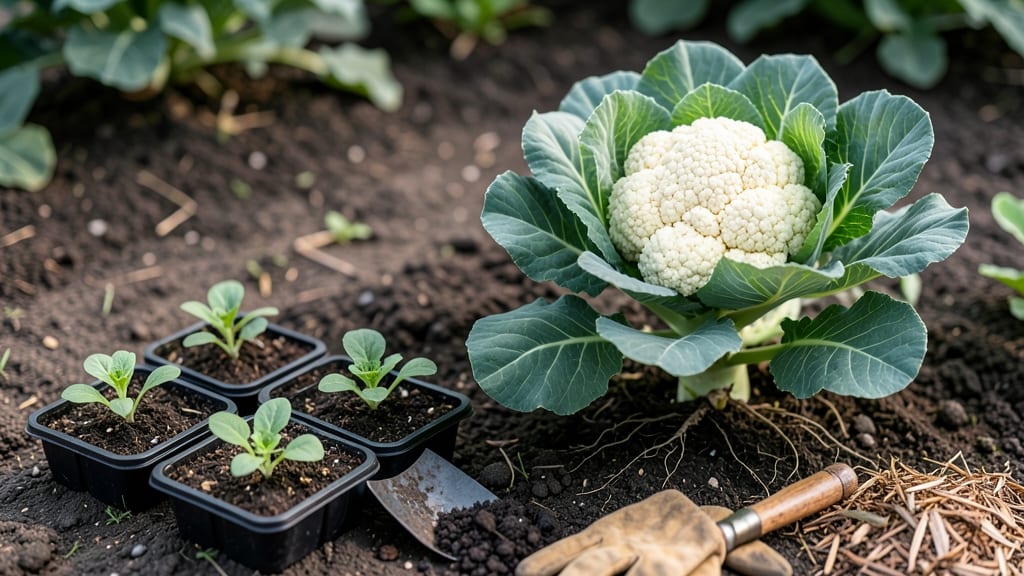
Knowing when to plant cauliflower in Zone 9b can feel like solving a puzzle—especially when your garden is battling desert heat instead of crisp autumn air.
But here’s the good news: with the right timing and a few smart tricks, you can grow 🥬 that’s just as sweet and tender as what you’d find in cooler climates.
The key lies in planting during Zone 9b’s mildest months—late October to early November or January to early February—when temperatures dip below 85°F and the sun isn’t relentless.
This isn’t just about avoiding wilting; it’s about giving your cauliflower the cool, steady conditions it craves to form those perfect, compact heads.
I’ve tested the best heat-tolerant varieties for this zone, like ‘Purple of Sicily’ and ‘Snowball Y Improved,’ and they deliver flavor and resilience even when the mercury climbs.
But timing isn’t the only secret—soil prep, watering hacks, and even strategic shade can mean the difference between a thriving crop and a bolting disaster.
Ready to turn your Zone 9b garden into a cauliflower oasis? Let’s break down the exact months to plant, the varieties that thrive here, and the pro tips to keep your plants happy—no matter how hot it gets. Your harvest is closer than you think!
Best planting months for cauliflower in Zone 9b: avoiding heat stress
Zone 9b’s hot summers (often exceeding 90°F) make cauliflower a challenging crop—but timing is everything. The key is planting before temperatures consistently rise above 85°F to prevent bolting (premature flowering) and ensure crisp, flavorful heads.
In my Phoenix garden, I’ve learned that fall and winter are the only safe windows for success.
Cauliflower thrives in cool weather (ideal range: 60-75°F), so summer planting is a no-go unless you’re using shade cloth and drip irrigation—and even then, results are hit-or-miss.
The best months are late October through early November for a spring harvest, or January through early February for a late-winter/early-summer harvest. Both windows give plants 3-4 months of cooler temps before summer heat peaks.
Here’s the critical timeline to follow: Plant 60-80 days before your first expected heatwave (typically mid-March in Zone 9b). For example, if you’re aiming for a March harvest, start seeds indoors in late August or transplant seedlings in late October.
If you miss this window, your crop will struggle—or worse, bolt before forming heads.
| Planting Window | Average Temp Range | Days to Maturity | Harvest Months |
|---|---|---|---|
| Late October - Early November | 60-75°F | 80-100 days | March - May |
| January - Early February | 55-70°F | 70-90 days | May - July |
| Late-Season Backup | 75-85°F (with shade) | 60-70 days (fast-maturing varieties) | September - October |
🌱 Key: Fall/winter windows are safest; late-season requires extra care.
If you’re tempted to plant in September or December, proceed with caution. September starts can work if you use 50% shade cloth and drip irrigation, but December plantings risk stunted growth if temperatures dip too low.
I’ve had success with December plantings in coastal Zone 9b (like San Diego), where winters are milder, but inland areas like Phoenix or Palm Springs are better off waiting until January.
For container growers, timing is even more critical. Cauliflower in pots heats up faster and dries out quicker.
If you’re using 5-gallon containers, start seeds indoors 4-6 weeks before transplanting to ensure they’re hardy enough for outdoor conditions. Transplant in the evening to reduce shock, and water deeply the first 2 weeks to encourage root establishment.
One common mistake I see is planting too early in fall, when soil temps are still warm. Cauliflower roots prefer cooler soil (below 70°F). To test, stick your finger 2 inches deep—if it’s warm to the touch, wait another week.
Use a soil thermometer for precision, especially in high-desert areas where nights cool quickly but days stay hot.
To extend your growing season, consider succession planting. In Zone 9b, you can squeeze in 2 harvests: one from fall plantings (March-May) and another from winter plantings (May-July).
Space your plantings 3 weeks apart for a steady supply. Just remember: never plant in summer unless you’re prepared for daily shade and extra watering—and even then, yields will suffer.
Finally, monitor your local microclimate. Urban areas like Los Angeles can be 5-10°F cooler than inland deserts, while Palm Springs may need earlier plantings to beat the heat. Check your nearest weather station for historical temperature data and adjust your schedule accordingly.
With the right timing, you’ll avoid bolting, bitter flavors, and wasted effort—and enjoy homegrown cauliflower even in the desert! 🥬
Best planting months for cauliflower in Zone 9b: avoiding heat stress
Zone 9b’s hot summers and mild winters create a unique challenge for growing cauliflower. Unlike cooler climates, you’ll need to time your plantings carefully to avoid heat stress and premature bolting.
The key is planting when daytime temperatures stay below 85°F—this means focusing on fall and winter months when the desert heat cools down.
Most gardeners in Zone 9b succeed with two planting windows: late fall and early winter. These periods offer the cooler temperatures and longer daylight cauliflower craves. If you miss these windows, don’t worry—there are still strategies to extend your growing season with shade and proper care.
📅 Zone 9b Cauliflower Planting Timeline
| Planting Window | Ideal Months | Temperature Range | Harvest Window |
|---|---|---|---|
| Fall Planting | Late October - Early November | 60°F - 75°F | March - May |
| Winter Planting | January - Early February | 55°F - 70°F | May - July |
| Late Winter (Risky) | Mid-February | Up to 78°F (with shade) | June - August |
⚠️ Note: Summer plantings (March-May) are not recommended due to extreme heat.
For fall plantings, start seeds indoors 8-10 weeks before your target transplant date (around early September). This gives seedlings time to establish roots before the cooler fall temperatures arrive.
If you’re using transplants, purchase them from a nursery in late September to ensure they’re hardened off for Zone 9b’s climate.
If you’re planting in winter, aim for January when nights are cool but days are still mild. This timing ensures your cauliflower matures before the spring heat ramps up. Just be mindful of occasional frost—while rare in Zone 9b, high desert areas can see light frosts in December.
Pro tip: Use shade cloth (30-50%) if temperatures creep above 80°F during the day. This simple hack can prevent bolting and keep your plants focused on head formation. Pair it with drip irrigation to maintain even moisture without wetting the leaves—this reduces disease risk in the humid desert evenings.
Remember, consistency is key in Zone 9b. Cauliflower thrives on stable conditions, so avoid planting during unpredictable weather shifts. With the right timing and care, you’ll be harvesting crisp, flavorful heads just as summer heats up elsewhere in the garden. 🌱