
Plants
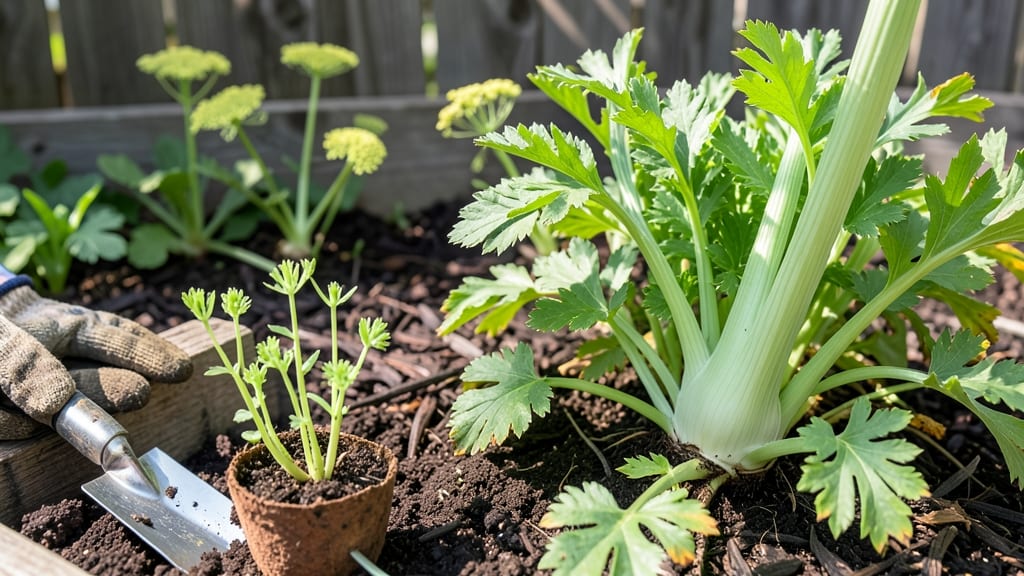
If you’ve ever wondered why your celery 🥬 plants bolt or wilt in North Carolina’s unpredictable climate, the answer lies in perfect timing. Planting at the wrong moment—whether too early for frost or too late for summer heat—can turn your garden dreams into a bitter disappointment.
North Carolina’s 7a-8b zones offer a unique window for growing celery, but getting it right means knowing when to start seeds indoors or transplant seedlings. Miss the mark, and you’ll either face stunted growth or a crop that bolts before harvest.
In this guide, I’ll break down the exact planting windows for spring and fall, including soil temperature triggers and regional frost dates. Whether you’re a coastal gardener or in the Piedmont, these tips will help you grow crisp, flavorful celery all season long.
Ready to avoid common mistakes and maximize your harvest? Let’s dive into the best times to plant celery in NC—and how to keep it thriving until fall.
Best planting windows for celery in North Carolina by region
North Carolina’s diverse climate—from the Coastal Plain to the Mountains—means celery planting windows vary by USDA Zone 7a-8b. Coastal areas like Wilmington enjoy longer growing seasons, while Asheville’s high elevation shortens the frost-free period.
To avoid transplant shock or bolting, align your planting with soil temperatures of 50–60°F and regional frost dates.
For spring planting, aim for March–April in the Coastal Plain and April–May in the Mountains. Summer planting should start July–August to harvest before the first frost. Direct sowing or transplanting too early risks frost damage, while late planting may lead to bitter, bolted stalks.
🌱
Celery Planting Windows by NC Region
| Region | Last Frost Date | First Frost Date | Spring Planting Window | Summer Planting Window | Soil Temp Threshold |
|---|---|---|---|---|---|
| Coastal Plain (Zone 8a) | Mid-March | Mid-November | March 1–April 15 | July 15–August 15 | 50–60°F |
| Piedmont (Zone 7b) | Late March | Early November | April 1–May 1 | July 1–August 10 | 50–60°F |
| Mountains (Zone 7a) | Early April | Late October | April 15–May 10 | June 30–July 15 | 50–60°F |
*Adjust dates 1–2 weeks earlier for Coastal areas or later for Mountain regions.
In the Coastal Plain, where frost-free seasons stretch to 240 days, you can even try an early February start indoors. For the Piedmont, wait until soil warms to 55°F—use a soil thermometer to confirm. Mountain gardeners should prioritize late July plantings to avoid early fall frosts.
Pro tip: Use black plastic mulch to warm soil faster in cooler zones. This trick adds 2–3°F to soil temps, speeding up germination. Pair it with row covers for early spring transplants to shield tender seedlings from unexpected 32°F dips.
For direct sowing, scatter seeds ¼-inch deep in well-drained soil and keep them moist. Thin seedlings to 6–8 inches apart once they’re 2 inches tall. If transplanting, harden off seedlings for 7–10 days before moving them outdoors to prevent shock.
🌿
Microclimates matter! If your garden sits in a sunny south-facing slope, you can plant 2 weeks earlier than the regional average. Conversely, shady valleys may need a 4-week delay to avoid cold snaps. Observe your yard’s patterns: note where frost lingers longest or where heat builds fastest.
Finally, track your local frost dates using resources like the NC State Climate Office. Their frost probability maps help fine-tune your schedule. For example, Raleigh’s 10% frost risk date in spring is April 15, while Charlotte’s is April 1—a 2-week difference that impacts planting.
☀️
Best planting windows for celery in North Carolina by region
North Carolina’s diverse climate—from the Coastal Plain to the Mountains—means your celery planting window shifts dramatically. Coastal areas like Wilmington enjoy earlier last-frost dates (mid-March), while Asheville’s high elevations may see frost until mid-April.
For all regions, aim for soil temperatures of 50–60°F before sowing, as cold soil stunts germination.
Celery thrives in two main planting windows: early spring (March–April) for summer harvests and late summer (July–August) for fall crops. The key is beating heat stress—summer bolting (premature flowering) ruins crisp stalks. Use these regional guidelines to align with your last-frost averages and avoid transplant shock.
| Region | Last Frost Date | Ideal Planting Window | Soil Temp Threshold | Harvest Window |
|---|---|---|---|---|
| Coastal Plain (e.g., Wilmington) | Mid-March | Late Feb–March (spring) / Early July (fall) | 50–60°F | June–July / Oct–Nov |
| Piedmont (e.g., Raleigh) | Late March | Early March–April (spring) / Mid-July (fall) | 50–60°F | May–June / Sept–Oct |
| Mountains (e.g., Asheville) | Mid-April | April–May (spring) / Late July (fall) | 55–65°F | July–Aug / Sept–Oct |
For Coastal NC, start seeds indoors 10–12 weeks before your last frost (by mid-January) or direct-sow in late February. In the Piedmont, wait until mid-March to avoid frost damage. Mountain gardeners should delay until April 15—celery won’t tolerate late frosts.
Always harden off seedlings for 7–10 days before transplanting to prevent shock.
Pro tip: Use black plastic mulch to warm soil faster in cooler regions. This raises soil temps by 5–10°F, accelerating germination. Just remove it once plants are established to avoid overheating. For fall plantings, aim for July–August sowings—this gives celery 100–120 days to mature before first frost hits.
Microclimates matter! If your yard has sheltered spots (like near a south-facing wall), you can push planting 1–2 weeks earlier. Conversely, low-lying areas may need 2–3 weeks later to avoid late frosts. Check your local NC State Extension frost maps for hyper-local precision.
Remember: Celery is a cool-season crop, but it bolts in heat (above 85°F). If summer temps climb early, opt for shade-tolerant varieties like ‘Tall Utah’ or ‘Golden Self-Blanching’ and use 30% shade cloth to protect plants.
With the right timing, you’ll harvest crisp, homegrown celery from June through November—no grocery store needed!