
Plants
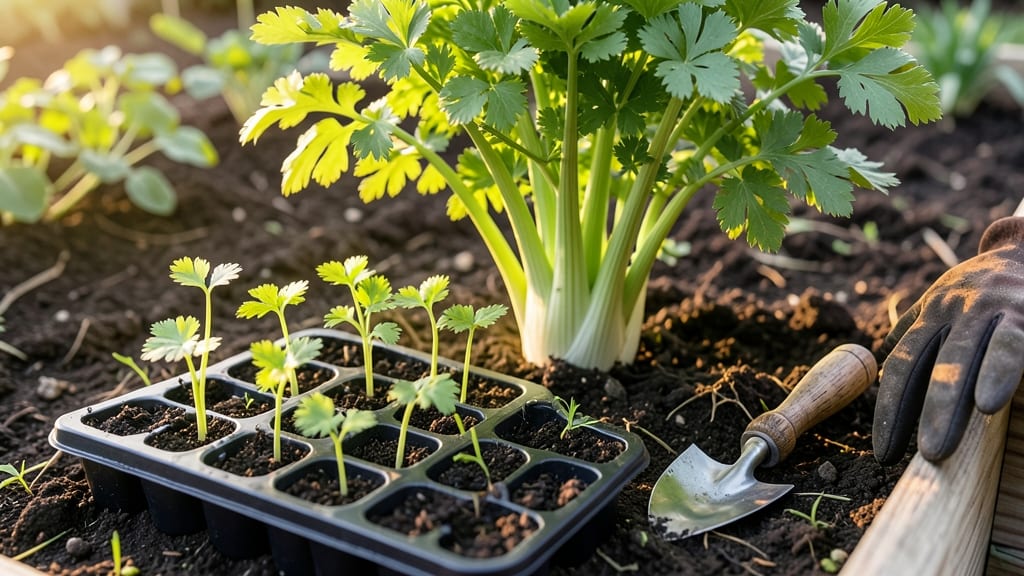
Timing your celery planting in Ohio isn’t just about grabbing seeds—it’s about mastering the 165-day frost-free window that separates success from disappointment. With Ohio’s Zone 6a climate and unpredictable spring shifts, planting too early risks frost damage, while waiting too long cuts your harvest short.
I’ve learned the hard way that celery 🥬 thrives when planted between mid-April and early May, giving it 90-120 days to mature before fall’s first frost.
But here’s the catch: soil temperature matters just as much as calendar dates—celery won’t germinate until it hits 50°F, and transplanting too soon can stunt growth.
What if you want to extend your harvest? You can try succession planting in June for a late-summer crop, but only if you’re ready to baby your plants with row covers and consistent moisture.
Let’s break down the exact steps to time your planting perfectly—so you’re not left with bolted stalks or bitter-tasting disappointment.
Whether you’re a first-time gardener or a veteran Ohio grower, these frost-free rules will help you plan like a pro. Ready to grow crisp, homegrown celery all season long? Let’s get started.
Ohio’s frost-free window for planting celery: exact dates by region
Celery thrives in Ohio’s cool-season climate, but timing is everything. The last spring frost typically arrives between April 15 and May 10, depending on your region.
For Northern Ohio, aim for late April to early May, while Southern Ohio gardeners can start as early as mid-April. Celery’s sensitivity to frost means planting too soon risks damage, but waiting too long can lead to bolting before harvest.
Ohio’s 5 distinct climate zones create microclimates where frost dates vary by 10-14 days. For example, Toledo (Northwest) has a later last frost (May 5) compared to Columbus (Central) (April 25).
Always check your local USDA Zone 5-6 guidelines, as celery struggles below 28°F. A row cover can extend your window by 2-3 weeks if planted early.
Here’s how Ohio’s regions break down for celery’s ideal planting window:
| Region | Last Spring Frost | First Fall Frost | Best Planting Window | Frost-Free Days |
|---|---|---|---|---|
| Northern Ohio (Cleveland, Akron) | May 5 | October 10 | April 25 – May 10 | 160 days |
| Northwest Ohio (Toledo, Lima) | May 1 | October 5 | April 20 – April 25 | 168 days |
| Central Ohio (Columbus, Dayton) | April 25 | October 15 | April 10 – April 20 | 175 days |
| Southeast Ohio (Athens, Cambridge) | April 15 | October 20 | March 30 – April 10 | 180 days |
| Southwest Ohio (Cincinnati, Lexington) | April 20 | October 18 | March 25 – April 5 | 178 days |
For fall planting, Ohio’s first frost usually hits between October 10 and October 20. If you’re ambitious, you can try a late-summer succession planting (August 1–15) for a fall harvest, but success depends on soil warmth and frost protection.
Most gardeners skip fall celery in Ohio due to shortening daylight and bolting risks.
Pro tip: Use a frost calendar like the Ohio State University Extension’s to track local trends. In 2023, for example, Columbus saw a late frost on May 12, delaying planting by 2 weeks. Always have row covers ready to shield young plants from unpredictable late frosts.
Celery’s 90-120 day growth cycle means you’ll need to plan ahead. In Northern Ohio, a May 1 planting yields harvests by late July, while Southern Ohio can squeeze in a second crop by planting June 15 for a September harvest.
Just remember: celery hates heat above 85°F, so avoid summer planting unless you provide shade cloth.
If you’re in Zone 5 (e.g., Youngstown), consider a cold frame to extend your season. I’ve had success planting March 15 under protection, then moving seedlings outdoors after the last frost. The key is monitoring soil temperature—celery roots won’t thrive below 50°F.
For container gardening, Ohio’s urban gardeners can plant 4-6 weeks earlier than in-ground plots because pots warm up faster. Just ensure your containers have drainage holes and use a lightweight potting mix to prevent root rot.
🌱
Soil temperature rules for celery in Ohio: when to start seeds indoors vs. direct sowing
Ohio’s celery success hinges on soil temperature—not just frost dates. Celery seeds need 50°F+ soil to germinate, while seedlings thrive when soil hits 60°F+.
In Ohio’s Zone 6a, this means waiting until late April or early May for direct sowing, unless you’re using row covers or a cold frame.
For indoor seed starting, begin 8-10 weeks before your last frost (typically mid-February). Use a heat mat to maintain 70-75°F soil temps for faster germination. Without one, expect 14-21 days to sprout—slower than outdoor planting but worth the head start.
Direct sowing in Ohio’s garden beds works only if you’re patient and protected. Use black plastic mulch or straw bales to warm soil faster. Plant seeds ¼-inch deep in rows spaced 12 inches apart, then cover with a cloche or row cover until seedlings emerge (7–14 days).
Remove covers once plants reach 2 inches tall to prevent overheating.
Heatwaves can derail your celery in summer. If planting in June or July for a fall crop, choose shade-tolerant varieties like ‘Utah’ or ‘Tall Utah’ and provide afternoon shade with shade cloth. Mulch heavily to keep roots cool—celery bolts (goes to seed) when stressed by heat.
Extend your Ohio celery season by planting succession crops every 2 weeks from June through early August. This ensures a continuous harvest until the first frost. Just remember: celery needs 120+ days to mature, so your last planting must go in by July 15 for a fall harvest.
Pro tip: Test your soil’s moisture retention before planting. Celery hates dry spells—amend clay soil with compost or sand to improve drainage while holding moisture. A soil thermometer is your best friend; never plant until you confirm 50°F+ soil temps at 2-inch depth.