
Plants
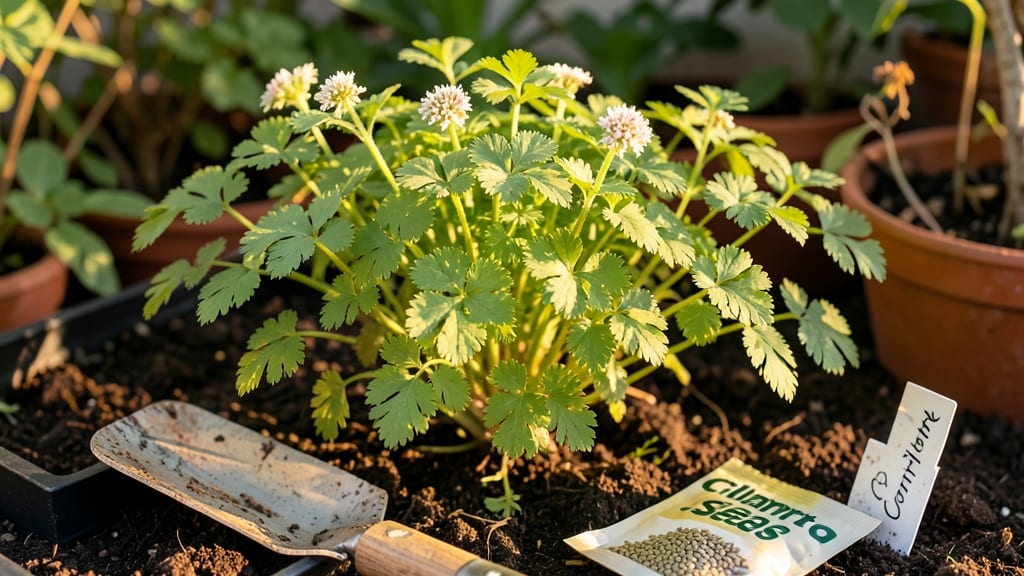
If you’ve ever planted cilantro in Southern California only to watch it bolt into flowers before you can even use it, you’re not alone. The key to growing lush, flavorful 🌿 cilantro lies in timing—specifically, knowing when to plant it to avoid the dreaded heat-induced bolting.
With the right strategy, you can enjoy fresh harvests from October through December (and again in spring), without the frustration.
Southern California’s 9b-11 climate means we don’t have to worry about frost, but the summer heat is a different story. Planting cilantro in the wrong months—like May or June—will send it straight into bolting mode.
The secret? Start seeds in September or October for fall harvests, or February-March for spring. This timing gives cilantro the cool weather it craves while avoiding the intense heat that triggers flowering.
But here’s the game-changer: even within SoCal, coastal areas and inland valleys have different microclimates. Coastal regions stay cooler longer, while inland spots can hit 90°F+ even in fall.
I’ll show you exactly how to adjust your planting schedule based on where you live—plus, how to use shade and succession planting to keep your cilantro thriving all season long.
Ready to grow cilantro that stays fresh and flavorful? Let’s dive into the perfect planting windows, regional tweaks, and pro tips to avoid bolting once and for all. Your taste buds (and your garden) will thank you.
Best months to plant cilantro in Southern California for zero bolt risk
Southern California’s mild winters and hot summers make timing critical for cilantro. The key is planting when temperatures stay below 75°F—any hotter, and your cilantro will bolt (flower) faster than you can say "guacamole."
My go-to strategy? Plant in fall and early spring when coastal breezes and inland valleys both offer cooler conditions.
For coastal areas (like San Diego or Santa Barbara), cilantro thrives from late August through November. The ocean’s cooling effect delays bolting, giving you a 6-8 week harvest window.
Inland regions (e.g., Los Angeles Basin or Riverside) should wait until September or October to avoid the 90°F+ heat that triggers bolting.
Here’s the golden rule: Start seeds 4-6 weeks before your first frost-free average low (which, in SoCal, is never a concern). Instead, focus on soil temperatures—keep them below 70°F for optimal growth.
Use a soil thermometer if you’re unsure; I always keep one handy for my herb garden.
Pro tip: Succession planting is your secret weapon. By sowing new seeds every 2 weeks in fall, you’ll have fresh cilantro ready to harvest just as the previous batch bolts. This works especially well in containers, where you can rotate them to follow the sun’s path and avoid overheating.
Now, let’s talk microclimates. If you’re in a valley or desert-adjacent area (like Palm Springs), cilantro can handle spring planting in February-March when nights stay cool. But coastal gardeners? Stick to fall planting—spring heat will still sneak up on you.
Don’t overlook soil prep—cilantro hates dry soil. Amend your beds with compost or aged manure to retain moisture, and mulch with straw or wood chips to keep roots cool. I’ve found that drip irrigation on a timer (set to morning watering) prevents the drought stress that triggers bolting.
For container growers, choose pots at least 6 inches deep with drainage holes. Fill them with a light, well-draining potting mix (I mix 50% coco coir, 30% perlite, and 20% compost).
Place containers where they get morning sun and afternoon shade—this mimics the partial shade cilantro loves.
One last pro move: Companion planting with shade-providing plants like lettuce or bush beans can buy you extra weeks of harvest. The taller plants create a natural shade canopy, keeping your cilantro cool. Just avoid planting near dill or fennel—they’ll cross-pollinate and ruin your cilantro’s flavor.
Remember, bolting isn’t always bad—it just means your cilantro is ready to seed. Save those seeds for next year’s garden or let them go to flower for bees and beneficial insects.
But if you want fresh leaves, stay vigilant about temperature and moisture, and you’ll enjoy cilantro all season long.
How to extend cilantro harvests: succession planting and shade hacks
If you’ve ever watched your cilantro bolt just as you’re about to harvest it, you know how frustrating it can be. The solution? Succession planting and shade strategies tailored to Southern California’s climate. These tactics let you enjoy fresh cilantro for months, not weeks.
I’ve perfected this method in my garden, and it’s how I keep a steady supply from October through December (and again in spring).
Succession planting means staggering your sowing so that as one batch bolts, another is ready to harvest. In SoCal’s 9b-11 climate, this works best with 2-week intervals in fall and 3-week intervals in spring.
For example, if you plant your first batch in late September, follow up with new seeds on October 5th, October 19th, and November 2nd. This ensures you always have fresh cilantro.
But here’s the secret weapon: shade cloth. Even in fall, SoCal’s September heatwaves can trigger bolting. A 30-50% shade cloth reduces soil and air temperatures by 10-15°F, buying you extra weeks of harvest.
I use it over my cilantro beds from 10 AM to 4 PM during hot spells. For containers, a lightweight shade tent works just as well.
Another game-changer is companion planting. Pair cilantro with taller, shade-providing plants like lettuce, spinach, or bush beans. These act as natural sun blockers, keeping your cilantro cool. Just avoid planting near dill or fennel—they’ll cross-pollinate and turn your cilantro bitter.
I’ve had great success with a cilantro + lettuce + radish trio in my raised beds.
- Fall: Plant every 2 weeks from late September to November
- Spring: Plant every 3 weeks from February to March
- 30-50% shade cloth for beds (remove after 4 PM)
- Lightweight shade tent for containers
- Companion plants like lettuce or beans for natural shade
- Rotate pots daily to follow sun’s path
- Use self-watering pots to prevent drought stress
- Plant in 6"+ deep pots with well-draining mix
- Move containers to shadier spots immediately
- Mulch heavily with straw to cool roots
- Harvest aggressively to reduce stress
For container growers, rotation is key. Move your pots every few hours to follow the sun’s arc—this prevents one side from overheating. I place mine on a rolling plant stand near my kitchen window so I can adjust them easily.
Pair this with a self-watering system, and you’ll eliminate the drought stress that causes bolting.
One final pro tip: Harvest strategically. Instead of waiting for your cilantro to bolt, pinch off outer leaves regularly. This encourages bushier growth and delays flowering. I harvest mine every 2-3 days in the morning when leaves are most tender.
This method keeps my plants producing for 6-8 weeks instead of the usual 3-4.
With these strategies, you’ll enjoy continuous cilantro harvests all season long—no more bolting disappointments! The key is staying ahead of heat with shade, keeping soil moist, and planting in waves. Your garden (and your salsa) will thank you. 🌱