
Plants
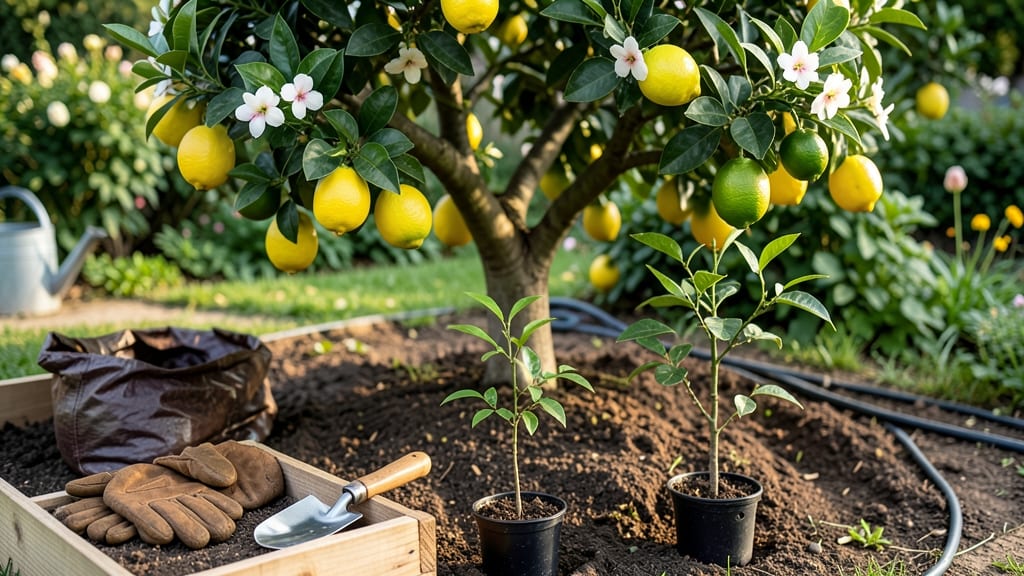
Planting your citrus trees at the wrong time in Arizona could mean the difference between a thriving 🍊 orchard and struggling saplings that never reach their full potential. With the state's unique microclimates—from the scorching low desert to cooler high-desert areas—timing isn't just important, it's critical for survival and growth.
The best window to plant citrus in Arizona stretches from November through March, when temperatures are mild and the risk of frost has passed for most regions. This winter planting season gives young trees the ideal conditions to establish strong roots before facing the intense summer heat.
Skipping this window could leave your trees vulnerable to heat stress or even frost damage in unexpected cold snaps.
But here's the thing: not all of Arizona is created equal. Whether you're in Phoenix, Tucson, or Yuma, local conditions play a huge role in determining the perfect planting time.
I'll break down exactly what you need to know to choose the best months for your specific location, plus pro tips to give your citrus trees the strongest possible start.
Ready to grow healthy, productive citrus trees that thrive year-round? Let's dive into the best months to plant and the secrets to long-term success in Arizona's challenging climate.
Optimal Arizona citrus planting months by region (Phoenix, Tucson, Yuma)
Arizona’s diverse microclimates create ideal conditions for citrus—but the best planting months vary dramatically between Phoenix, Tucson, and Yuma. Low desert areas like Phoenix and Yuma enjoy 300+ frost-free days, while Tucson’s high desert faces cooler nights that require precise timing.
Let’s break down the optimal windows for each region to maximize survival and growth.
For Phoenix and Yuma, the ideal planting window stretches from November through March, avoiding the brutal 110°F+ summer heat. These months offer mild temperatures (60-75°F) and consistent rainfall from winter storms, giving young roots time to establish before the monsoon season.
In contrast, Tucson’s higher elevation (2,500–3,000 ft) experiences cooler winters, making February and March the safest months to plant.
Here’s how Arizona’s three key regions differ in terms of planting windows, frost risk, and soil conditions—critical factors for citrus success:
| Region | Best Planting Months | Frost Risk | Soil pH | Key Consideration |
|---|---|---|---|---|
| Phoenix | November–March | Rare below 2,000 ft | 7.0–8.5 (alkaline) | Avoid summer; amend soil with compost. |
| Tucson | February–March | Possible light frost (2,500+ ft) | 6.5–8.0 (varies) | Use frost cloth for young trees; high desert soil drains faster. |
| Yuma | November–January | None (frost-free year-round) | 7.5–8.5 (highly alkaline) | Irrigate frequently; windbreaks essential. |
If you’re planting in Phoenix or Yuma, aim for late November or December to take advantage of cooler temps and winter rains. These months provide the perfect balance of moisture and mild weather for root establishment.
In Tucson, wait until March to avoid late-winter frosts, which can kill young citrus trees in a single night.
Pro tip: Container-grown citrus (bought from nurseries) can be planted year-round in frost-free zones, but bare-root trees need the cooler, wetter months to thrive. Always check the last frost date for your specific elevation—even in Arizona, high desert areas above 4,000 ft can see 28°F nights.
For Phoenix gardeners, the monsoon season (July–September) is a no-go for planting due to intense heat and flash floods. Instead, focus on late fall or early spring when temperatures hover around 70–75°F—ideal for minimizing transplant shock.
In Yuma’s extreme heat, even April plantings require daily shade cloth until roots establish.
Arizona’s alkaline soil (pH 7.5–8.5) is another hurdle. Before planting, amend the soil with compost, peat moss, or sulfur to lower pH to 6.0–7.0. Citrus trees hate soggy roots, so ensure your planting site has well-draining soil—a critical step for preventing root rot in Arizona’s clay-heavy soils.
Finally, wind protection is non-negotiable in Arizona. Use burlap windbreaks or plant near a fence or building to shield young trees from 100+ mph desert winds, which can desiccate leaves and stunt growth. With the right timing and prep, your citrus will thrive year-round in Arizona’s unique climate.
🌱
Citrus tree survival tips: how to avoid common Arizona planting mistakes
Arizona’s alkaline soil and intense summer heat create unique challenges for citrus growers. Even with perfect timing, root shock and nutrient deficiencies can kill your trees if you don’t follow these critical survival tips.
I’ve learned the hard way—my first lemon tree withered in 100°F+ soil because I ignored these warnings.
First, amend your soil before planting. Arizona’s native soil is often too alkaline (pH 7.5-8.5), which locks out essential nutrients like iron and zinc. Mix in 2-3 inches of compost or sphagnum peat moss to lower pH slightly and improve drainage.
For container plants, use a citrus-specific potting mix with perlite.
Watering mistakes are the #1 killer of new citrus trees. Many gardeners overwater, thinking desert plants need constant moisture. Instead, deep-water weekly in winter and every 2-3 days in summer, delivering 15-20 gallons per tree. Use a soaker hose to avoid wetting foliage, which invites fungal diseases like citrus scab.
Arizona Citrus Planting Warning
Never plant citrus in full summer heat (May-Sept). Even drought-tolerant varieties like Mexican lime struggle when soil temps exceed 90°F. Wait until temperatures drop below 85°F (typically October-March) to transplant. High desert areas (Flagstaff) can plant 1 month later than Phoenix.
Protect young trees from scorching winds, especially in open desert areas. A windbreak of bamboo stakes or plastic tree guards can save your tree from desiccation.
I lost a 4-foot Meyer lemon in my first year because I ignored this—now I always plant near a fence or shrub barrier.
Fertilizing wrong can be just as deadly. Arizona’s high pH soil means standard fertilizers cause iron chlorosis (yellow leaves with green veins). Use a citrus-specific fertilizer (like 6-6-6 NPK) with chelated iron every 2-3 months from March-September. Avoid fertilizing in winter—your tree’s dormant.
Finally, prune strategically. Remove suckers (shoots growing from the base) and crossing branches to improve airflow. But never prune in summer—this stresses the tree during peak heat. Wait until late winter/early spring for major pruning, and always sterilize tools with rubbing alcohol to prevent disease spread.