
Plants
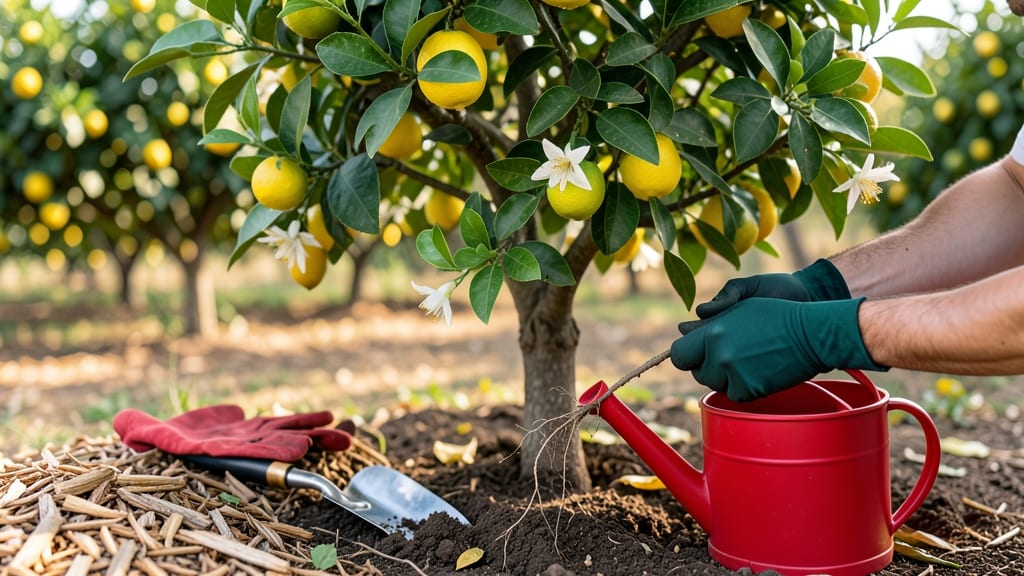
Planting citrus in Arizona isn’t just about grabbing a tree and sticking it in the ground—it’s about timing your move to beat the brutal heat and occasional frost. The wrong window, and your 🍊 could struggle with transplant shock or freeze before it even takes root.
If you’ve ever watched a citrus tree wilt under Arizona’s sun or seen frost damage on young leaves, you know the stakes.
But here’s the good news: with the right planting window—typically between November and March—you can give your tree the best shot at thriving in USDA Zone 9b.
I’ll break down the ideal months for your specific microclimate, whether you’re in Phoenix’s desert heat or Tucson’s high-desert chill. Plus, I’ll share pro tips for soil prep, watering adjustments, and even how to pick the hardiest citrus varieties for late starts.
Ready to plant with confidence? Let’s dive into the science-backed schedule that’ll have your citrus trees flourishing year-round.
Best planting months for citrus trees in Arizona’s heat zones
Arizona’s USDA Zones 9-11 create a tricky balance for citrus lovers. The ideal window spans from late November through early March, avoiding both extreme summer heat and winter frosts. This timing lets young roots establish before Arizona’s 100°F+ summers arrive.
For Phoenix and Tucson, aim for December through February—the sweet spot where daytime temps hover in the 60s-70s°F and nights stay above 40°F. In Yuma’s Zone 10b, you can stretch planting to early April thanks to milder winters.
Citrus trees planted outside this window face heat stress (wilting, leaf scorch) or transplant shock (root damage from winter cold). The first 60 days after planting are critical for root development—don’t rush!
🌱
| Region | Best Planting Window | Key Considerations | Avoid Planting After |
|---|---|---|---|
| Phoenix/Tucson (Zone 9b-10a) | December 1 - February 28 | Soil temps >50°F, low humidity | April 1 (summer heat risk) |
| Yuma (Zone 10b-11) | November 15 - April 15 | Extended growing season, mild winters | May 1 (extreme heat) |
| High Desert (Flagstaff, Zone 7b) | March 15 - April 30 | Container planting only; protect from frost | May 15 (frost risk remains) |
| Sedona (Zone 8a-9a) | February 1 - March 15 | Microclimate varies; monitor frost dates | April 1 (unpredictable cold snaps) |
If you miss the ideal window, consider container planting for flexibility. Potted citrus can be moved to shaded areas during summer or brought indoors when temps drop below 40°F. Just ensure containers have drainage holes to prevent root rot.
For bare-root trees, plant as soon as possible after purchase—these dormant trees establish faster than potted ones. Soak roots in water for 1-2 hours before planting to revive them.
Watch for leaf curl or yellowing in new growth—signs of transplant shock. These symptoms often appear 2-4 weeks after planting and can be mitigated with shade cloth during the hottest part of the day.
Pro tip: Mulch heavily (3-4 inches) with wood chips to retain moisture and regulate soil temps. Avoid organic mulches like grass clippings—they can raise soil pH, which citrus hates.
🪴
Remember: Citrus trees are evergreens, meaning they grow year-round in Arizona. The best planting months align with their natural growth cycles—giving them a head start before the monsoon season arrives in July.
How to time citrus planting for Arizona’s microclimates and soil conditions
Arizona’s diverse microclimates—from the Sonoran Desert’s intense heat to the high-desert’s cooler nights—demand tailored planting strategies. In low-elevation areas like Phoenix and Yuma, citrus thrives when planted November through February, avoiding both summer heat stress and winter’s rare but damaging frosts.
Meanwhile, higher elevations (e.g., Flagstaff’s USDA Zone 7) require earlier starts (late September to October) to establish roots before the first frost.
Soil conditions play a critical role—Arizona’s alkaline, clay-heavy soils can suffocate citrus roots if not amended. Test your soil’s pH (6.0–7.5 ideal) and drainage before planting. Sandy loam with organic matter (compost or peat moss) mimics the well-draining Mediterranean soils citrus prefers.
If your yard has compacted clay, consider raised beds or container planting to prevent root rot.
Transplant shock is a major risk in Arizona’s extreme heat. To minimize stress, plant young citrus trees (1–3 years old) in late winter when temperatures stabilize. Bare-root trees should go in November–January, while container-grown varieties can handle February starts. Always water deeply before and after planting to encourage root expansion into moist soil.
🌱 Key Takeaways for Arizona Citrus Planting
- Low Elevation (Zones 9–11): Plant Nov–Feb to avoid summer heat.
- High Elevation (Zones 7–8): Plant Sep–Oct before frost risk.
- Soil Prep: Amend with compost and gypsum for drainage.
- Watering: Deep soak weekly for first 3 months post-planting.
- Mulch: Apply 2–3 inches of wood chips to retain moisture.
✨ Pro Tip: Use drip irrigation to deliver water directly to roots, reducing evaporation.
Arizona’s microclimates also dictate container vs. in-ground choices. In urban heat islands (e.g., Phoenix), containers with heat-resistant fabric (like burlap) wrapped around pots help regulate soil temps.
For in-ground planting, choose south-facing locations with afternoon shade (e.g., near a wall or larger tree) to protect delicate leaves from 110°F+ afternoons.
Winter chill hours (below 45°F) are another factor. Most citrus needs 200–400 hours annually—plenty in Arizona’s Zone 9–11, but Zone 8 may require winter protection (e.g., frost cloth or greenhouse covers). If you’re in a transition zone, opt for cold-hardy varieties like ‘Satsuma mandarin’ or ‘Calamondin orange’, which tolerate brief dips to 18°F.
Finally, avoid planting during monsoon season (July–August)—intense rains can drown roots in heavy soils, while spring starts (April–May) risk heat stress as temps soar.
By aligning your planting with Arizona’s microclimate cues, you’ll give your citrus the best shot at thriving—whether it’s a dwarf Meyer lemon on your patio or a full-sized Valencia orange tree in your yard.