
Plants
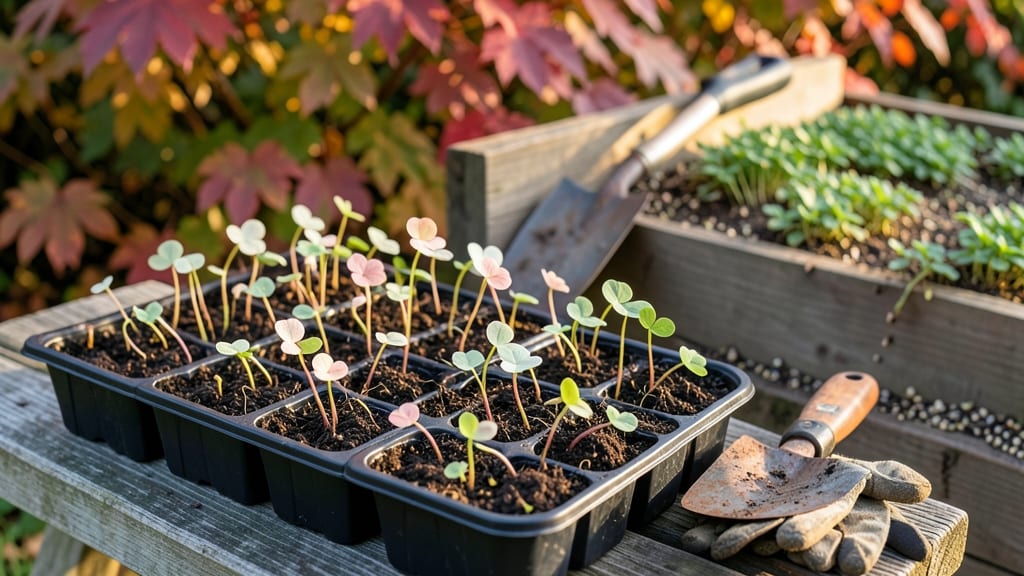
Timing your fall clover planting just right can mean the difference between a thriving, nitrogen-rich lawn and wasted seeds. The key isn’t just dropping seeds in September—it’s about giving your 🌱 clover roots enough time to establish before winter sets in.
In USDA Zone 6a (and similar climates), aim to plant 6-8 weeks before the first hard frost—typically between late September and early October. This window ensures your clover gets the cool-season growing boost it needs without risking dormancy too early.
Why does this matter? Fall-planted clover develops deep roots over winter, making it hardier and faster-growing come spring. But skip the prep work, and you’ll struggle with poor germination or weak plants. I’ll walk you through the exact steps to set yours up for success.
From soil prep to frost-date calculations, here’s how to plant clover in the fall so you’re not left with bare spots next spring. Let’s get started.
The 6-8 week pre-frost rule: exact timing for fall clover planting
Fall is the perfect time to plant clover because cool temperatures and consistent moisture create ideal conditions for root development. The 6-8 week pre-frost rule is your golden window—planting too early or late can lead to weak seedlings or wasted seeds. Let’s break down the exact timing for your region.
Clover seeds need 4-6 weeks of warm soil and 6-8 weeks before the first hard frost to establish strong roots. This means if your first frost hits on November 15, aim to plant between September 20 and October 15. Use your USDA hardiness zone to adjust this window.
For example, gardeners in Zone 5 (like Chicago) should plant by October 1, while those in Zone 8 (like Los Angeles) can extend planting until November 1. Check your local frost date using the USDA Plant Hardiness Zone Map or a weather forecast tool.
Why does timing matter? Clover seeds germinate best at soil temperatures between 60°F and 75°F. Planting too early (like mid-August) risks dormancy before roots establish, while planting too late (after mid-October) leaves seeds vulnerable to freezing before sprouting.
Here’s how to calculate your perfect planting window:
- Find your average first frost date (use the USDA map).
- Subtract 6-8 weeks to determine your last planting date.
- Start planting 4-6 weeks before that date for optimal growth.
Fall Clover Planting Timeline by USDA Zone
| USDA Zone | First Frost Date | Ideal Planting Window | Soil Temp Goal (°F) |
|---|---|---|---|
| 3-4 (Cold Climates) | October 15 | August 20 - September 15 | 60-70 |
| 5-6 (Midwest/Northeast) | November 1 | September 15 - October 1 | 65-75 |
| 7-8 (South/Central) | November 15 | September 20 - October 15 | 70-80 |
| 9-10 (West Coast) | December 1 | October 1 - November 1 | 65-75 |
Adjust for early/late frost years by monitoring local forecasts.
Regional adjustments are key. In northern states (like Minnesota), plant earlier (by mid-August) to avoid early frosts. In southern states (like Texas), you can plant until late November, but prioritize cool-season varieties like Dutch white clover or microclover.
Pro tip: Use a soil thermometer to confirm temperatures. Clover seeds won’t sprout if soil is below 55°F. In cooler zones, consider a lightweight row cover to extend the growing season by 2-3 weeks.
Once you’ve nailed the timing, focus on soil prep and seed coverage. Loosen the top 2 inches of soil, remove weeds, and lightly rake to create a fine seedbed. This ensures even moisture and quick germination.
Remember, fall-planted clover will overwinter and bloom in spring, outcompeting weeds and enriching your soil with nitrogen. With the right timing, you’ll enjoy a lush, low-maintenance lawn by next summer.
The 6-8 week pre-frost rule: exact timing for fall clover planting
Fall-planted clover thrives when given 6-8 weeks of warm soil and cool air before the first hard frost. This window ensures roots establish deeply before winter dormancy.
Miss it, and your seeds may rot or fail to germinate—wasting your time and money. The key? Calculating your local frost date and working backward.
For most U.S. regions (USDA Zones 5-8), aim to plant clover between mid-September and early October. In colder zones (Zones 3-4), shift to late August to account for earlier frosts.
Southern zones (Zones 9-10) can plant as late as November, but avoid planting too close to winter rains.
Why this timing works: Clover seeds need 55-65°F soil temps to germinate. Fall’s cooler air slows weed growth, giving clover a competitive edge. Plus, established roots handle winter better than young seedlings.
Find your average first frost date using the USDA Plant Hardiness Zone Map or local weather reports. Subtract 6-8 weeks to pinpoint your planting window. Pro tip: Use a soil thermometer to confirm temps—cool, damp soil delays germination.
If you’re in a transition zone (e.g., Zone 7b with unpredictable frosts), err on the earlier side. Early planting gives clover time to recover if a surprise frost hits. For white Dutch clover (fastest germinator), you can stretch the window to 10 weeks pre-frost.
Remember: Clover planted in fall outcompetes weeds next spring and fixes nitrogen naturally—saving you money on fertilizers. But rush it, and you’ll spend next year pulling weeds instead of admiring your lush green cover. 🌱