
Plants
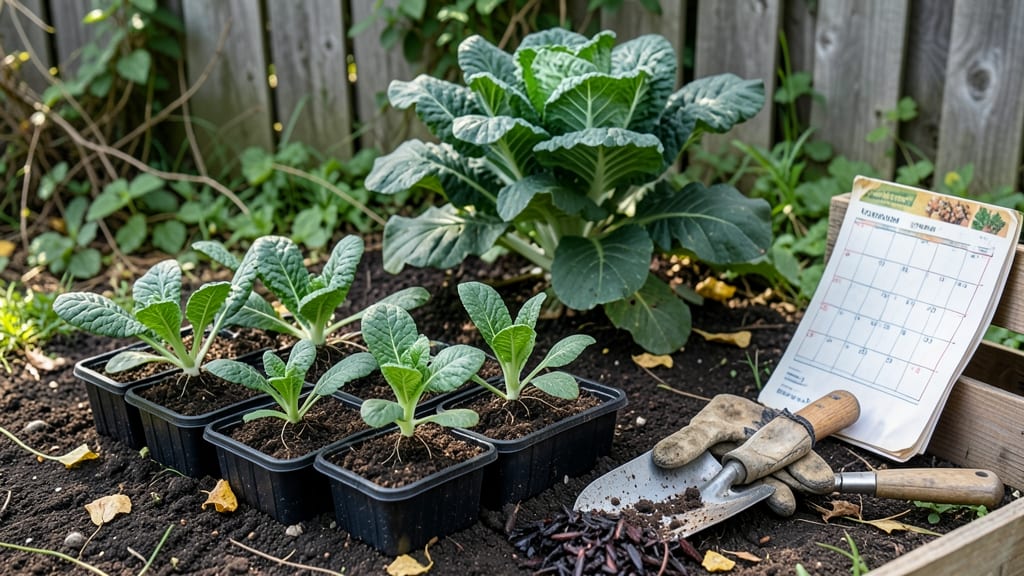
Planting collard greens at the wrong time in South Carolina can mean the difference between a thriving harvest and a sad, frost-bitten disappointment. These cold-hardy greens 🥬 actually love our mild winters, but timing is everything to avoid bolting or stunted growth.
Most gardeners in USDA Zone 8a swear by two planting windows: late February through early April for spring crops and August to September for fall harvests. But here's the secret—getting it right means understanding your microclimate, whether you're in the Upstate or Coastal regions.
I'll break down exactly when to start seeds indoors, how to adjust for your last frost date (March 15), and which varieties handle our unpredictable weather best. With these tips, you'll have tender collards ready by May or October without the guesswork.
Ready to grow collards that outlast frost and taste sweeter than store-bought? Let's dive into the perfect planting schedule tailored for SC's climate—so you can enjoy homegrown greens all season long.
Best planting times for collard greens in SC: early spring vs. late summer breakdown
South Carolina’s USDA Zone 8a climate gives you two prime windows to grow collard greens: early spring and late summer. Timing is everything—plant too early, and frost will nip your seedlings; too late, and they’ll bolt before harvest.
The key is aligning your planting with last frost dates (around March 15) and first frost dates (around November 15).
For spring planting, aim for late February to early April. This gives seedlings time to establish roots before summer heat arrives. Fall planting should happen between August and September to ensure a harvest before winter frost.
Coastal areas like Charleston may have slightly later frost dates, while Upstate regions like Greenville might face earlier frosts—adjust your timing accordingly.
Your microclimate matters. Coastal SC’s humidity and warmer winters can extend your growing season, while inland areas may need earlier starts. Check local frost-free days (around 210 days in SC) to fine-tune your schedule. For example, Upstate gardeners might push spring planting to March 1 to avoid late frosts.
Here’s a quick rule of thumb: plant 4–6 weeks before your first frost for fall crops or after your last frost for spring crops. This ensures 60–75 days to maturity before winter sets in. Miss this window, and you’ll risk bolting (premature flowering) or stunted growth.
🌱
| Planting Window | Best Months | Key Considerations | Frost Risk |
|---|---|---|---|
| Early Spring | Late February - Early April | Soil temps above 40°F; avoid late frosts | Low (after March 15) |
| Late Summer | August - September | Plant 6+ weeks before first frost; extend with row covers | High (after November 15) |
| Coastal SC Adjustment | March - April (spring) / Sept - Oct (fall) | Warmer microclimates; later frost dates | Moderate (1-2 weeks later) |
| Upstate SC Adjustment | February - March (spring) / Aug - Sept (fall) | Cooler nights; earlier frost risk | High (1-2 weeks earlier) |
If you’re unsure about your last frost date, use the National Weather Service or local Cooperative Extension Service resources. For example, Columbia’s average last frost is March 15, while Myrtle Beach’s is March 22. Planting 4–6 weeks before these dates ensures your collards mature before winter.
For fall crops, prioritize August planting to harvest before frost. If you miss this window, consider cold-hardy varieties like ‘Georgia Southern’ or ‘Vates’—these can tolerate light frosts and extend your harvest into December. Just be prepared to protect them with row covers or low tunnels.
Pro tip: Start seeds indoors 4–6 weeks before your outdoor planting date. This head start helps seedlings outpace slugs and cool soil temps. Use biodegradable pots to avoid transplant shock when moving them outdoors.
🌿
Remember, soil temperature is just as critical as air temperature. Collard seeds won’t germinate well in cold soil (below 40°F). Use a soil thermometer to confirm your bed is ready—ideal temps are 50–85°F.
In cooler months, warm your soil with black plastic mulch or compost a week before planting.
Finally, spacing matters. Plant seeds 1/2 inch deep and 12–18 inches apart in rows 24 inches apart. This gives leaves room to grow without crowding, reducing disease risk. Thin seedlings to 12–15 inches apart once they’re 2–3 inches tall.
✂️
Best planting times for collard greens in SC: early spring vs. late summer breakdown
South Carolina’s USDA Zone 8a climate creates two ideal windows for planting collard greens: early spring and late summer. These periods align with the plant’s cold-hardy nature while avoiding extreme heat or frost risks.
Let’s break down the science behind each window to help you plan like a pro.
For spring planting, aim for late February to early April—just after your last frost date (March 15). This gives seedlings time to establish roots before summer’s heat arrives.
In the Upstate region, where nights stay cooler, you can push planting to mid-April safely. Coastal areas, however, should start earlier due to milder winters.
Late summer planting (August to September) is your secret weapon for a fall harvest. Seedlings planted in early August will mature before the first frost (November 15), while those sown in late September benefit from cooler temperatures and slower bolting. This window also avoids the peak humidity of summer, reducing disease risks.
| Planting Window | Best For | Key Considerations | SC-Specific Tip |
|---|---|---|---|
| Late February - Early April | Spring harvest (May-June) | Avoid frost; soil temps >50°F | Upstate: Plant 2 weeks later than coast |
| August - September | Fall harvest (Oct-Nov) | 60+ days to frost; cooler temps | Coastal areas: Prioritize August for longer season |
Pro tip: Use the "50°F soil rule"—collard seeds need soil temperatures above this threshold to germinate. In SC’s humid climate, mulch heavily after planting to retain moisture and prevent crusting.
For direct sowing, space seeds 12-18 inches apart in rows 2 feet apart to maximize airflow and reduce fungal risks.
If you’re starting indoors, begin seeds 6-8 weeks before your target outdoor date. Use biodegradable pots to avoid transplant shock, and harden off seedlings for 7-10 days before moving them outside. This method gives you a 2-week head start on direct sowing.
Remember: Collard greens are biennials—they’ll often overwinter in SC’s mild climate. Planting in late summer gives you a double harvest: one in fall and another in spring. Just protect them with row covers if frost threatens.
🌱