
Plants
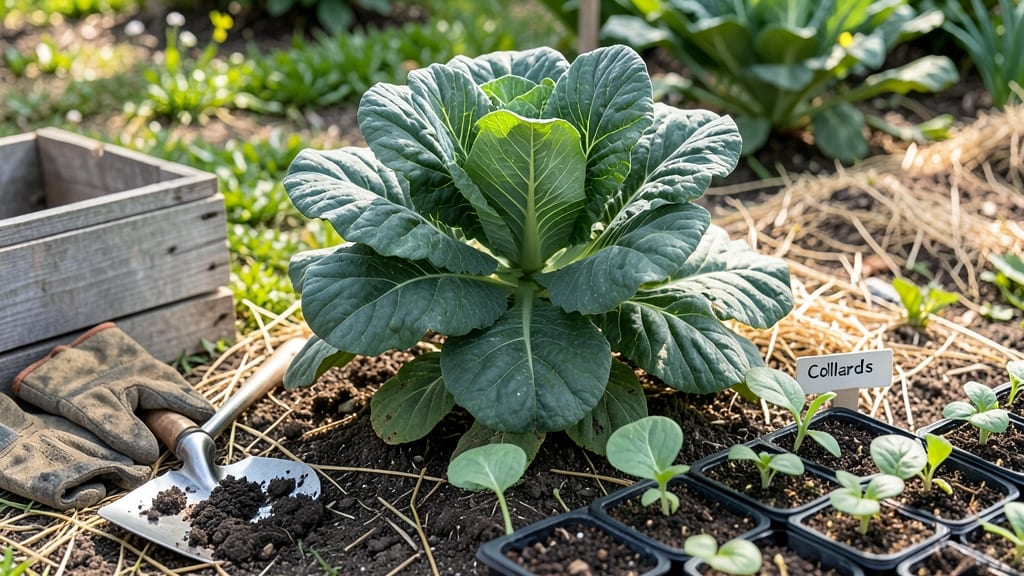
Timing your 🥬 collards planting in Mississippi could mean the difference between a bumper crop and a sad, bolted mess—especially when summer heat hits fast.
The Mississippi Extension’s research shows that planting at the wrong time turns these hardy greens into a frustrating gamble, but get it right, and you’ll enjoy fresh harvests from spring through winter.
Most Mississippi gardeners focus on fall planting, and for good reason: the cooler weather after August gives collards the ideal conditions to thrive without bolting. But did you know spring planting is also possible if you start early enough?
With USDA Zone 8a’s mild winters, you’ve got a second chance to grow these nutrient-packed greens when many other crops fail.
In this guide, I’ll break down the exact weeks Mississippi Extension recommends for planting collards—plus how to adjust for your specific region, whether you’re in the Delta or along the Gulf Coast. We’ll also cover the critical mistakes that cause even experienced gardeners to lose their crops to heat stress.
Ready to stop guessing and start growing? Let’s dive into the science-backed planting schedule that’ll keep your collards happy, healthy, and producing all season long.
Mississippi Extension’s exact planting weeks for collards (with heat tolerance secrets)
Mississippi gardeners know collards are a year-round staple, but planting them at the wrong time means bitter, bolting greens instead of tender harvests. The Mississippi State Extension recommends two ideal planting windows: early spring (February-March) and late summer to fall (August-September).
These timings align with soil temperatures and avoid Mississippi’s oppressive summer heat that triggers bolting.
For fall planting, the 6-week window starts in mid-August and ends by September 15. This gives plants time to mature before first frost (November 15). In North Mississippi (USDA Zone 7b), aim for late August to avoid early cold snaps.
For South Mississippi (Zone 8a), early September works better due to warmer microclimates.
Spring planting is trickier in Mississippi’s heat. Seedlings planted in late February to early March can handle warm soil temperatures (60-65°F), but direct sowing before March 15 risks frost damage. Use row covers for early starts to protect young plants from unpredictable late frosts.
Soil temperature is the secret weapon against bolting. Collards thrive when soil stays between 60-75°F. In Mississippi’s summer, soil often exceeds 85°F, causing plants to bolt prematurely. Fall planting capitalizes on cooling temperatures, while spring planting requires careful timing to avoid heat stress.
Mississippi’s microclimates create regional variations. In North Mississippi (Tupelo, Oxford), late August planting is safest, while South Mississippi (Biloxi, Gulfport) can push to early September thanks to coastal warmth. Urban gardens in Jackson or Hattiesburg may experience 5-10°F hotter microclimates, requiring earlier fall starts.
For spring harvests, plant 4-6 weeks before last frost (March 15) for a April-May crop. Use heat-tolerant varieties like 'Champion' or 'Top Bunch' to handle early spring warmth.
In South Mississippi, you can even try January sowings under row covers for a February harvest before summer heat arrives.
Mississippi gardeners often ask: "Can I plant collards in summer?" The answer is no—unless you use shade cloth. Summer soil temps exceed 85°F, causing plants to bolt within weeks. Instead, focus on fall planting for the most reliable harvests, with 60-75 days to maturity before frost.
Pro tip: Succession plant every 2-3 weeks in fall for continuous harvests through December. Start with 3-4 plants, then add more as the first batch matures. This staggered approach ensures you always have tender, bolt-free greens on your table.
Remember: Mississippi’s collard success hinges on timing soil temperature, not just calendar dates. Use a soil thermometer to confirm 60-75°F before planting—this simple tool prevents 90% of bolting mistakes. 🥬
Mississippi Extension’s exact planting weeks for collards (with heat tolerance secrets)
Mississippi gardeners know collards thrive in cool weather, but timing is everything. Plant too early, and your greens bolt in summer heat. Too late, and frost cuts harvests short. The Mississippi State Extension recommends a 6-week window for peak success, with fall planting as the gold standard for our climate.
For North Mississippi (USDA Zone 7b), aim for mid-August to early September—when soil temps drop below 85°F. In South Mississippi (Zone 8a), extend your window to late July through mid-September, thanks to warmer coastal microclimates.
These dates align with first frost averages of November 15, ensuring harvests before winter chill.
| Planting Window | Soil Temp Threshold | Heat Tolerance Tip |
|---|---|---|
| North MS (Zone 7b): Aug 15-Sep 5 | Below 85°F | Use shade cloth for late-August starts |
| South MS (Zone 8a): Jul 25-Sep 15 | Below 88°F | Extend window with drip irrigation |
| Spring Option: Feb 15-Mar 15 | Above 50°F | Risky—bolt before harvest |
Spring planting (February-March) is possible but risky. Seedlings may bolt before reaching maturity, especially in Jackson's heat (Zone 8a). If attempting spring, choose heat-tolerant varieties like 'Champion' and provide afternoon shade with 30% shade cloth until soil temps stabilize below 75°F.
Pro tip: Test soil temps with a soil thermometer—ideal planting temps are 60-75°F. For succession planting, sow new seeds every 2 weeks after your initial date to stagger harvests through December. This extends your growing season by 8-10 weeks compared to single-planting.
Mississippi’s fall humidity actually benefits collards—just avoid planting when fungal diseases like downy mildew peak (late September). Instead, time your last planting for early October to harvest before first frost while maintaining crisp texture.
Remember: Bolting (premature flowering) is your biggest enemy. By following these Extension-backed weeks, you’ll dodge the heat, avoid bolt, and enjoy homegrown collards from October through December—just in time for holiday meals! 🥬