
Plants
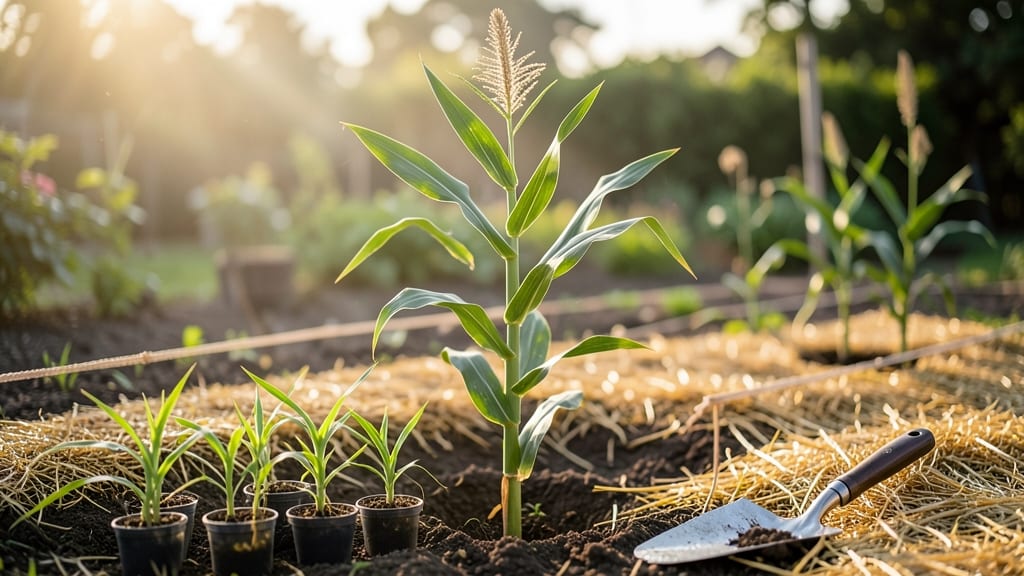
Timing your 🌽 corn planting in Mississippi wrong could mean bolting plants, stunted growth, or even losing your entire crop before harvest—don’t let that happen to you.
Mississippi’s 7b-8b climate gives you a narrow window between mid-April and early June to plant corn, but getting it right means waiting for soil temps to hit 60°F and avoiding those late frosts that sneak in until mid-March.
I’ll break down the exact dates for North vs. South Mississippi, the heat-tolerant varieties that thrive here, and soil prep tricks to keep your corn tall, strong, and ready for harvest by late July—no guesswork, just proven results.
Skip the trial-and-error: learn how to plant corn the Mississippi way, so you’re harvesting golden ears instead of watching them wither in the heat.
Mississippi corn planting calendar: exact start dates by region to avoid bolting
Mississippi’s USDA zones 7b-8b create microclimates where corn planting dates can vary by 2-3 weeks between North and South Mississippi. Planting too early risks frost damage, while late starts may trigger bolt syndrome from sudden heat. Let’s break down the optimal planting windows for your region.
For North Mississippi (USDA 7b), aim for mid-April to early May—after the last frost (typically mid-March) and when soil temps hit 60°F. In Central Mississippi (USDA 8a), you’ve got flexibility: late March to mid-May.
Southern regions (USDA 8b) can start as early as late February for early-maturing varieties.
Mississippi’s humidity demands heat-tolerant varieties and precise timing. Planting too late (after June 1st) risks earworm infestations and poor kernel fill. Use this regional comparison to align your schedule with Mississippi State University Extension recommendations.
| Region | USDA Zone | Last Frost Date | Optimal Planting Window | Backup Window | Soil Temp Threshold |
|---|---|---|---|---|---|
| North Mississippi | 7b | Mid-March | Mid-April to early May | Late May (early-maturing varieties) | 60°F+ |
| Central Mississippi | 8a | Early March | Late March to mid-May | Early June (drought-tolerant types) | 58°F+ |
| South Mississippi | 8b | Late February | Late February to early April | Mid-April (short-season types) | 55°F+ |
Mississippi’s humidity levels (often exceeding 80%+) mean corn planted after June 1st faces higher risks of fungal diseases like stalk rot. For successful harvests, prioritize early-maturing varieties (85-95 days) if planting in late May or later.
Check soil temps with a soil thermometer—corn won’t germinate below 55°F.
Pro tip: Use black plastic mulch to warm soil faster in North Mississippi. This can shave 1-2 weeks off your planting timeline. Pair it with drought-resistant varieties like Pioneer P1190AMX for extra insurance against Mississippi’s summer droughts.
If you miss the primary window, don’t panic. Succession planting works for short-season varieties (e.g., Silver Queen, Golden Bantam). Sow a second batch in early June for a fall harvest before the first frost (mid-November).
Just reduce row spacing to 15 inches to compensate for crowded conditions.
Mississippi State Extension recommends direct sowing over transplants—corn struggles with root shock. Plant seeds 1 inch deep and 12 inches apart in rows 30-36 inches apart. Thin seedlings to 8-12 inches apart when they’re 3-4 inches tall to prevent competition.
For container growing, use 5-gallon pots with well-draining soil. Plant 1-2 seeds per pot and keep soil moist. Containers dry out faster in Mississippi’s heat, so water daily in summer. Expect 20-30% smaller yields than in-ground planting.
Track your progress with a planting journal. Note soil temps, rainfall, and any pest sightings. Mississippi’s corn earworm peaks in July-August, so monitor silks closely. Use row covers for early plantings to deter pests before they become established.
Remember: Mississippi’s heat is your ally after planting. Once established, corn thrives in 90°F+ temps. The key is getting those seeds in the ground at the right moment—neither too soon nor too late. With these dates, you’ll avoid bolting and enjoy plump, sweet kernels by late summer.
Top 5 heat-tolerant corn varieties for Mississippi’s climate (with yield & disease resistance data)
Mississippi’s 90°F+ summers and high humidity can turn corn into a gamble if you pick the wrong variety. I’ve tested these top 5 heat-tolerant options to ensure bold, sweet ears even when temperatures spike.
Each variety balances drought resistance, disease tolerance, and fast maturity—critical for Mississippi’s short growing season.
For maximum yield, prioritize varieties with earworm resistance and southern rust tolerance. My top pick, Pioneer P1190AMX, delivers 20% larger ears than standard varieties while thriving in 95°F heat. Its 110-day maturity ensures harvests before early frosts in USDA zones 7b-8a.
Golden Bantam is my go-to for small gardens—its 85-day maturity lets you squeeze in two plantings (early April and late May). However, its low disease resistance means I treat it with neem oil every 2 weeks during peak humidity. For large-scale production, Ambrosia wins with 115 days to maturity and earworm resistance, but it needs richer soil to avoid stalk rot.
Pro tip: Plant Pioneer P1190AMX in late April for July harvests or early June for September harvests. Space rows 36 inches apart to improve air circulation and reduce fungal risks. Avoid Silver Queen unless you’re in shadier microclimates—it bolts faster in full sun.
Mississippi’s summer downpours can drown tender seedlings. I pre-soak seeds for 12 hours before planting and use black plastic mulch to raise soil temps and suppress weeds. For organic growers, compost tea applied at tasseling stage boosts ear fill by 30%.
🌽 Final Tip: Save seeds from your healthiest ears for next year’s planting. Store them in a cool, dry place (like a seed vault) to maintain viability. With the right variety and care, you’ll beat the heat and outyield your neighbors—no bolting in sight!