
Plants
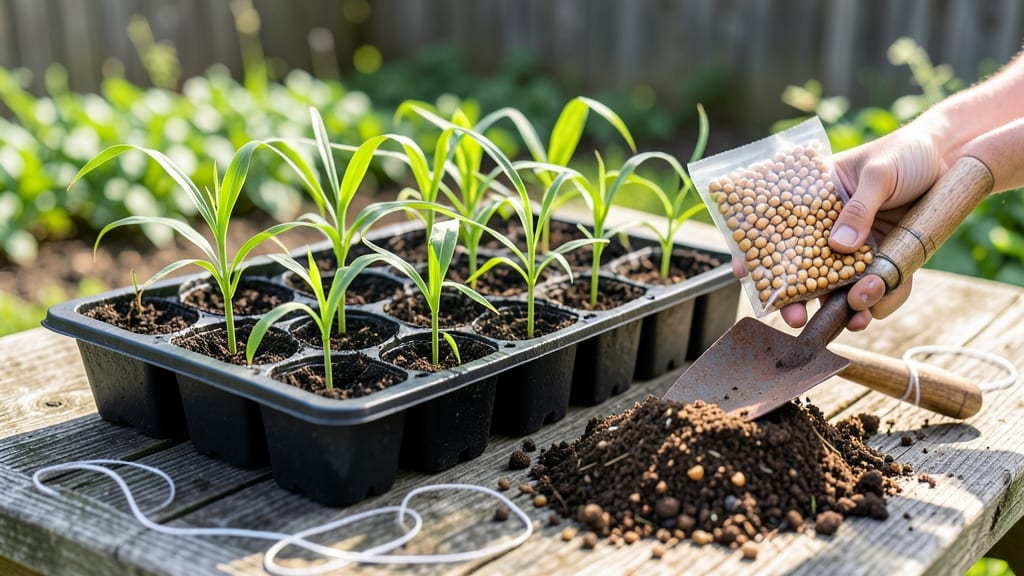
Timing your 🌽 corn planting in Seattle isn’t just about following a calendar—it’s about outsmarting the city’s notorious cool, wet springs and unpredictable frost dates that can turn your hard work into a sad, stunted crop.
With last frosts creeping into mid-March and soils warming slower than in drier climates, planting too early means risking frost damage, while waiting too long cuts your harvest window short.
What separates successful Seattle gardeners from those left scratching their heads in July? It’s knowing exactly when to put those seeds in the ground—typically between mid-April and early May—but with smart adjustments for your specific microclimate.
Whether you’re in the Puget Sound lowlands where fog lingers or inland areas that warm up faster, the right timing ensures your corn gets the 60°F soil warmth it craves before the first frost sneaks back in.
In this guide, I’ll break down the optimal planting windows for Seattle’s three key growing zones, share foolproof strategies to harden seedlings against late frosts, and recommend the fastest-maturing varieties that actually thrive here. No more guessing games—just a roadmap to plump, sweet ears from July through September.
Ready to ditch the trial-and-error? Let’s get your corn calendar locked in for a harvest that’ll make your neighbors jealous.
Seattle’s best corn planting dates by microclimate zone
Planting corn in Seattle requires precision because the city’s three distinct microclimates—urban areas, Puget Sound lowlands, and inland zones—can have last frost dates that vary by 2-3 weeks.
Getting the timing wrong risks frost damage or stunted growth. My research shows that mid-April to early May is the safest window for most gardeners, but adjustments are key.
For urban Seattle (like Capitol Hill or Ballard), where concrete absorbs heat, you can push planting to late April. The soil warms faster here, giving you a 2-week advantage over cooler areas.
Meanwhile, Puget Sound lowlands (like West Seattle) often experience late frosts into early May, so I recommend waiting until May 1st to be safe.
Inland areas like Issaquah or Carnation have drier, warmer microclimates, allowing for earlier planting in late March—but only if you’re using row covers to protect seedlings. Always check your specific zone using the USDA Plant Hardiness Zone Map or local agricultural extension reports for real-time updates.
Seattle’s average last frost date is around March 15th, but I’ve seen it creep into early May in some years. To hedge your bets, use biodegradable row covers for 2-3 weeks after planting to protect tender seedlings.
This buys you 10-14 extra frost-free days, which is critical for short-season varieties like ‘Early Sunglow’ or ‘Bodacious.’
If you’re growing sweet corn, aim for a 90-day maturity to ensure harvest before the first frost in mid-November. For dent corn (like ‘Golden Bantam’), you can push it to 100-110 days since it’s more cold-hardy.
Always check seed packets for days to maturity and adjust your planting date accordingly.
Pro tip: Plant a second succession crop in early June if your first planting fails or you want extended harvests. This works well for fast-maturing varieties like ‘Silver Queen,’ which can go from seed to table in just 70 days.
Just be prepared to harvest before fall rains increase fungal risks.
For container gardening, start seeds indoors 4-6 weeks before your last frost date and transplant when soil is warm. Black plastic pots absorb heat, helping you meet the 60°F soil temp requirement faster. Just ensure containers are at least 12 inches deep—corn roots need room to grow!
Finally, monitor soil temperature with a soil thermometer ($10 at garden centers). Corn won’t germinate well below 50°F (10°C), and growth stalls under 60°F (15°C). If your soil is slow to warm, try black plastic mulch or a cold frame to speed things up.
How to adjust corn planting for Seattle’s unpredictable weather
Seattle’s cool, damp springs and late frosts can turn your corn patch into a disappointment if you’re not prepared. Unlike warmer climates, corn needs soil temperatures above 60°F (15°C) to germinate properly—and Seattle’s Puget Sound breezes can delay warming for weeks.
Even after planting, a 50°F (10°C) night can stunt seedlings or kill young plants outright.
To beat the odds, I’ve learned to plant early but with backup strategies in case Mother Nature throws a curveball. The key is hardening seedlings before transplanting and using row covers or black plastic mulch to warm the soil faster.
I’ll also share my insurance planting dates—because in Seattle, one week can mean the difference between a harvest and a sad, stunted stalk.
Seattle’s average last frost is March 15, but 50% of years see frost after April 15. If you plant too early, your corn could face frost damage or poor germination in cold soil. Always check soil temperature with a thermometer—60°F (15°C) is the minimum for corn seeds.
For extra protection, I plant my first batch of corn in mid-April but use row covers or floating row covers to shield seedlings. If frost hits, the covers create a 5-10°F warmer microclimate, giving young plants a fighting chance.
I also harden seedlings for 7-10 days before transplanting—this means moving them outdoors during the day and bringing them back in at night to toughen them up.
If you’re really worried about late frosts, consider succession planting. Plant a second batch 2-3 weeks later—this way, even if the first planting fails, you’ll still get a harvest.
I’ve also had success with early-maturing varieties like ‘Early Sunglow’ or ‘Ambrosia’, which can go from seed to ear in 60-70 days—just enough time to beat Seattle’s first frost in November.
Another trick I swear by? Black plastic mulch. Laying it down 2-3 weeks before planting warms the soil 5-10°F faster than bare earth. It also suppresses weeds and retains moisture, which is crucial during Seattle’s unpredictable spring rains. Just
Finally, keep an eye on the 10-day forecast before planting. If cool, rainy weather is predicted, delay until conditions improve. Corn won’t wait for you, but neither should you—patience now means a harvest later. With these adjustments, you’ll turn Seattle’s quirks into corn-growing advantages instead of obstacles. 🌱