
Plants
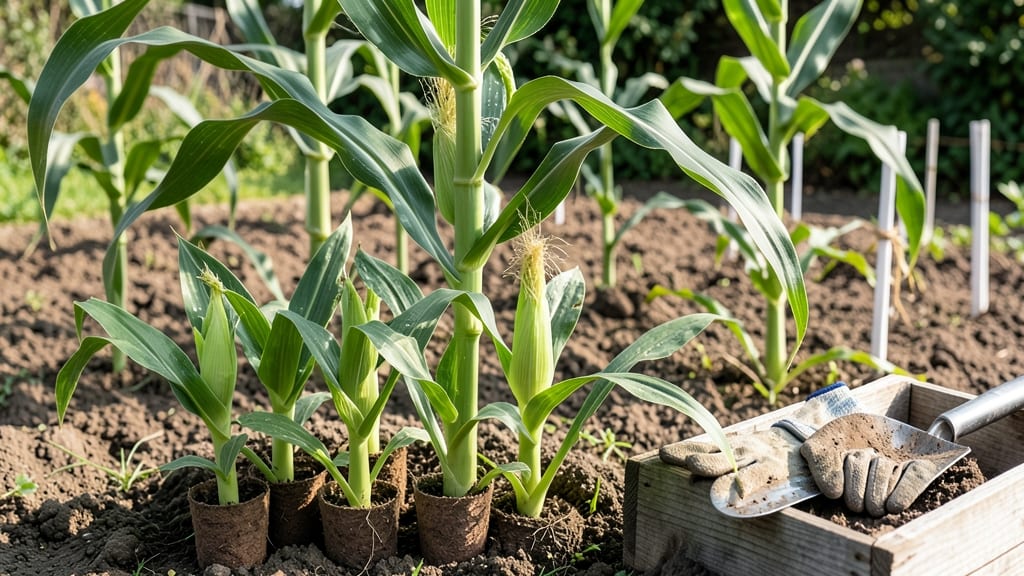
Timing your 🌽 corn planting in South Carolina could mean the difference between a bumper crop and a disappointing harvest. With the state's unpredictable spring weather, getting those seeds in the ground at the right moment is crucial for strong, healthy stalks that reach their full potential.
The ideal window for planting corn in South Carolina's 7b-8a zones runs from mid-April through early May, right after the last frost date. This timing ensures your plants have enough warm soil and sunlight to establish roots before summer's heat kicks in, setting you up for a productive growing season.
But here's the catch: soil temperature matters just as much as calendar dates. Corn thrives when soil reaches at least 50°F, though warmer is always better. I'll show you exactly how to check your soil's readiness and adjust your planting schedule for maximum success.
Whether you're a seasoned gardener or new to growing corn, these insider tips will help you navigate South Carolina's unique climate challenges. Let's get your corn off to the best possible start this spring.
South Carolina corn planting dates by region: frost-free zones explained
South Carolina’s humid subtropical climate creates distinct planting zones—each with its own last-frost dates and ideal soil temperatures. Whether you're in the Upstate mountains or the Coastal Lowcountry, timing your corn seeds correctly ensures strong germination and maximum yields. Let’s break down the frost-free windows for each region.
Corn thrives when soil temperatures reach 50°F+, but for optimal growth, aim for 60°F+. In South Carolina, this typically happens between mid-April and early May, but regional variations mean your exact planting date could differ by 2-3 weeks.
Using a soil thermometer ensures you plant at the perfect moment.
Here’s how the three main SC regions differ in their frost-free periods and planting recommendations:
| Region | Last Frost Date (Avg.) | Ideal Planting Window | Soil Temp. Goal | Notes |
|---|---|---|---|---|
| Upstate (Greenville, Spartanburg) | Mid-April | Late April to early May | 60°F+ | Cooler nights; use black plastic mulch to warm soil. |
| Midlands (Columbia, Rock Hill) | Early April | Mid-April to late April | 55°F+ | Moderate climate; best for early varieties like 'Silver Queen'. |
| Coastal (Charleston, Myrtle Beach) | Late March | Early April to mid-April | 50°F+ | Warmer soil; watch for fungal diseases in humid air. |
If you’re in the Upstate, wait until late April to avoid late frosts that can kill young seedlings. Meanwhile, Coastal gardeners can start as early as early April, but be prepared for high humidity that may encourage fungal diseases like corn smut.
For reliable frost dates, check the SC State Climate Office or use a frost calendar app. These tools adjust yearly based on weather patterns, giving you the most accurate planting window. Pro tip: Plant a test row 1-2 weeks before your target date to gauge soil warmth.
Once your soil hits 60°F+, plant seeds 1 inch deep and 4-6 inches apart in rows 30 inches apart. This spacing ensures proper air circulation and reduces disease risk. In humid SC summers, adequate airflow is critical for healthy corn stalks.
Remember, corn is a short-day plant, meaning it matures faster in longer daylight hours. Planting in late spring (May) can delay maturity, but it’s worth it if you’re avoiding early-season pests like corn rootworm. Balance your planting date with your goal: early harvests or larger ears.
After planting, monitor your corn closely for signs of stress, like yellowing leaves or stunted growth. These could indicate nutrient deficiencies or pests. Adjust your care routine accordingly to keep your corn thriving until harvest.
🌽
5 Critical factors that determine your corn planting success in SC
Beyond just picking the right planting window, five key factors will make or break your corn harvest in South Carolina. Let’s break down what truly matters for growing sweet, productive ears in our humid climate.
First, your soil temperature is non-negotiable. Corn won’t germinate well below 50°F, but ideal soil temps hover around 70°F+. I recommend using a soil thermometer to confirm readiness—especially in cooler Upstate regions where spring lingers.
Variety selection is your second critical choice. Early-maturing varieties like 'Early Sunglow' (60 days) work well for late starts, while 'Silver Queen' (90 days) thrives in longer Coastal growing seasons. Always match your variety to your last frost date and desired harvest timing.
Plant only when soil reaches 50°F+ (use a thermometer). Warmer soil (70°F+) speeds germination.
Choose 60-day varieties for late starts or 90-day types for Coastal areas with longer seasons.
Corn needs 1-2 inches/week—drought stress causes poor ear development. Mulch helps retain moisture.
Watch for corn earworm—use row covers early or apply Bt spray preventatively.
Apply 10-10-10 at planting, then side-dress with compost when tassels appear.
Next, moisture consistency is often overlooked but crucial. Corn roots run deep, and drought during tasseling and ear development will shrink your yield. I’ve found that mulching with straw keeps soil moist longer—especially helpful during South Carolina’s hot, dry spells in June.
Don’t underestimate pest pressure either. The corn earworm is our biggest villain here, and once it infests an ear, there’s no saving it. I swear by row covers during flowering or spraying Bt (Bacillus thuringiensis) as a natural deterrent. Timing is everything—apply when silks first emerge.
Finally, your fertilizer strategy should be precise. Too much nitrogen early leads to weak stalks, while too little stunts ear development. My go-to method? Start with 10-10-10 fertilizer at planting, then side-dress with compost when tassels appear.
This two-step approach gives your corn the boost it needs without overloading the soil.
Master these five factors, and you’ll be well on your way to growing bountiful corn that rivals the best at farmers' markets. The key is paying attention to details—especially in our unpredictable climate. 🌽