
Plants
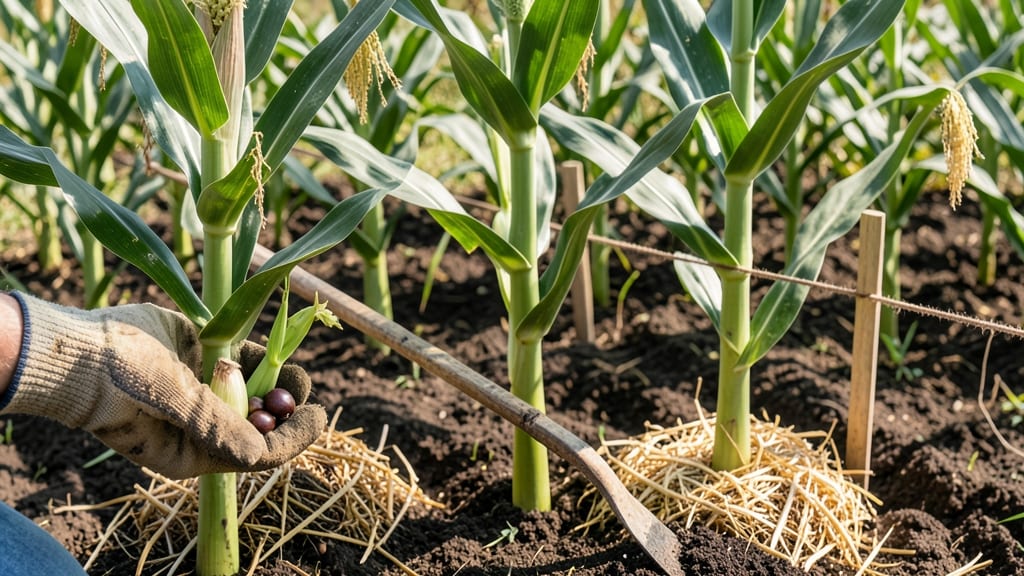
Timing your 🌽 corn planting in Virginia can make or break your harvest—get it wrong, and you might end up with stunted plants or wasted seeds. The Old Dominion’s varied climate, from the humid Tidewater coast to the cooler Appalachian foothills, means one-size-fits-all advice won’t cut it.
Most gardeners in Virginia’s 6a-8a zones aim to plant between mid-April and late May, but the real secret lies in waiting for soil temperatures to hit 60°F and the last frost to pass.
Whether you’re growing sweet corn for summer meals or field corn for livestock, knowing your microclimate is the key to avoiding common pitfalls like frost damage or heat stress.
In this guide, I’ll break down the best planting windows for each region, including tips for adjusting dates based on Virginia’s unpredictable weather. You’ll also discover how to choose the right varieties for your zone and avoid the mistakes that leave many gardeners scratching their heads by harvest time.
Ready to grow healthier, more productive corn? Let’s dive into the exact steps and timing that’ll have your garden thriving from July through September—no guesswork required.
Virginia corn planting calendar: best weeks by USDA Zone and microclimate
Virginia’s corn planting success hinges on timing—especially since its USDA zones 5a-7b create wildly different growing conditions. Whether you're in the humid Tidewater, fertile Piedmont, or cooler Appalachian foothills, knowing your zone’s last frost date and soil warmth is critical.
Corn needs 60°F soil and consistent warmth to thrive, so planting too early risks frost damage, while waiting too long cuts harvest potential.
Most Virginia gardeners aim to plant sweet corn between mid-April and late May, but your exact window depends on microclimate. Coastal areas like Norfolk (Zone 7b) can start as early as late March, while mountain regions like Roanoke (Zone 6a) may need to wait until mid-May.
Let’s break down the best planting weeks for each zone, including variety recommendations tailored to your local climate.
| USDA Zone | Primary Microclimate | Optimal Planting Window (After Last Frost) | Soil Temperature Threshold (°F) | Key Variety Recommendations | Average Days to Maturity |
|---|---|---|---|---|---|
| 5a (Northern VA) | Mountain Valleys | Mid-May to early June | 60°F+ (use black plastic mulch) | 'Early Sunglow' (65 days), 'Golden Bantam' (70 days) | 65-80 days |
| 6a (Piedmont) | Central VA (Richmond, Lynchburg) | Late April to mid-May | 60°F+ (test with soil thermometer) | 'Silver Queen' (75 days), 'Peaches and Cream' (80 days) | 70-90 days |
| 7a (Coastal Plain) | Tidewater (Norfolk, Virginia Beach) | Late March to early April | 55°F+ (warmer soils earlier) | 'Ambrosia' (72 days), 'Country Gentleman' (85 days) | 70-90 days |
| 7b (Southeastern VA) | Coastal (Hampton Roads) | Early April to mid-April | 58°F+ (humidity accelerates growth) | 'Peaches and Cream' (80 days), 'Bodacious' (95 days) | 80-100 days |
For field corn or popcorn, extend your planting window by 2-3 weeks since these varieties tolerate cooler soils slightly better. However, they still need consistent warmth to avoid stunted growth.
If you’re in Zone 5a, consider using row covers or black plastic mulch to warm the soil faster—this can shave off 1-2 weeks from your planting timeline.
Pro tip: Use a soil thermometer to confirm 60°F+ soil temps before planting. Cold soils delay germination, leading to uneven sprouts and poor stands. In Zone 7b, where soils warm quickly, you might even squeeze in a late summer planting (early July) for a fall harvest before frost.
Remember, corn is a heavy feeder, so enrich your soil with compost or aged manure 4-6 weeks before planting
How to adjust corn planting dates for Virginia’s unpredictable weather patterns
Virginia’s weather can throw curveballs—one week brings frost warnings, the next brings heatwaves. Adjusting your corn planting dates based on local conditions is key to avoiding frost damage or heat stress.
Start by tracking your last frost date, which varies from mid-April in Zone 7b to late May in Zone 5a. Use a soil thermometer to confirm the ground has warmed to 60°F or higher—cold soil slows germination and invites rot.
For northern Virginia (Zones 5a-6a), where springs are cooler, consider using black plastic mulch to warm the soil faster. This trick adds 2-3 weeks of growing time by trapping heat.
In coastal areas (Zone 7b), where summers can be brutally hot, opt for early-maturing varieties (like Silver Queen) to avoid kernel drying before harvest.
- Zone 5a: Wait until soil reaches 65°F—planting too early risks frost damage even after last frost.
- Coastal (Zone 7b): Choose drought-tolerant varieties like Peaches and Cream to handle humidity and heat.
- Mountains (Zones 5b-6a): Stagger plantings 2 weeks apart to account for late springs.
Monitor weather forecasts for 5-day outlooks—if a cold snap is predicted after planting, cover seedlings with frost cloth or a row tunnel. In western Virginia’s drier climates, prioritize deep watering (1-2 inches per week) to prevent tassel blight, a common issue when soil moisture drops.
Use backup planting windows for high-risk zones: if your first planting fails due to unexpected frost, have late-season varieties (like Bodacious) ready for a June replant. These mature in 85-90 days, giving you a second chance at harvest before first frost in November.
Test your soil pH (ideal: 6.0-6.8) and amend with compost or lime if needed—poor soil health slows recovery from stressful weather. In humid Piedmont regions, rotate crops yearly to prevent corn borer infestations, which thrive in stressed plants.
Pro tip: Plant sentinel rows of fast-maturing varieties (e.g., Ambrosia) to test soil and weather conditions before committing to your main crop. This lets you adjust timing without risking your entire harvest.