Plants
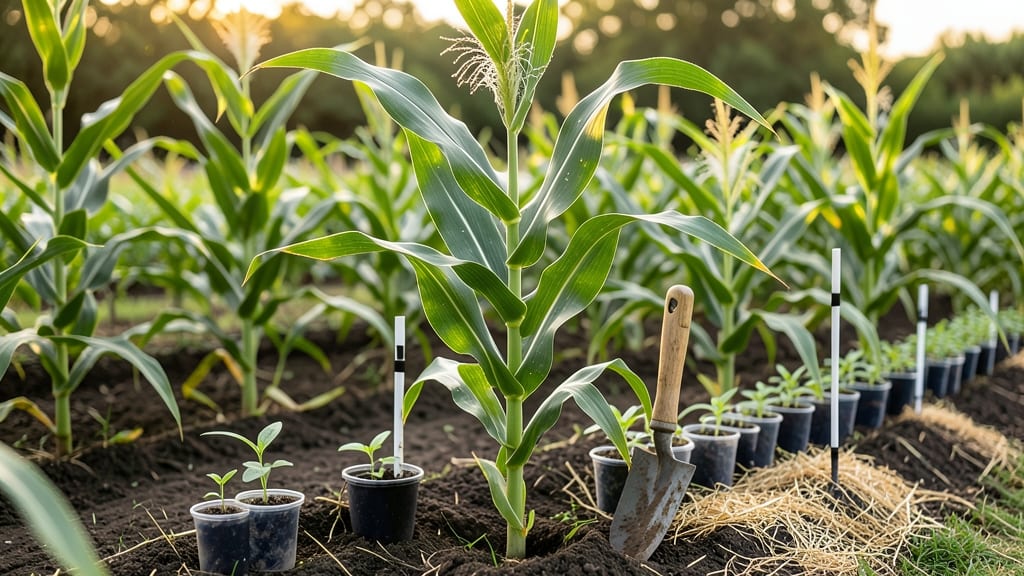
Planting corn in Western Washington isn’t just about picking a date—it’s about mastering the delicate dance between cool coastal air and the 50°F soil your seeds desperately need to wake up. Skip the guesswork, and you’ll go from scraggly stalks to ears so heavy they bow your plants over by harvest time.
Here in zones 8a-9a, the mid-April to early June window isn’t just a suggestion—it’s your golden ticket to avoiding both frost bites and the dreaded "June gloom" slowdown that turns your garden into a sad, stunted cornfield.
I’ve seen firsthand how a week too early can mean wilted seedlings, while planting too late risks ears that never fully mature before the rains return.
But here’s the secret: your exact planting date depends on whether you’re tucked in the Puget Sound’s marine layer or basking in the drier heat of the Cascade foothills.
We’ll break down the microclimate rules that actually work—no more generic advice that leaves you scratching your head when your corn refuses to cooperate.
Ready to turn your 🌽 dreams into dinner-table reality? Let’s get you planting at the perfect moment for your corner of Western Washington—because timing, as any local gardener will tell you, is everything.
Western Washington corn planting dates by microclimate Zone (coastal vs. inland)
Western Washington’s cool, maritime climate creates dramatic differences between coastal areas (like the Olympic Peninsula) and inland valleys (like the Yakima Valley). These microclimates shift your corn planting window by weeks—sometimes even months.
Coastal gardeners must wait longer for soil warmth, while inland areas can plant 2-3 weeks earlier.
For all regions, soil temperature is your best guide: corn seeds won’t germinate until the soil hits 50°F (10°C). Nighttime temps should stay above 55°F (13°C) to prevent frost damage to young seedlings. Use a soil thermometer to track progress—don’t guess!
Here’s your microclimate-specific planting schedule, based on last-frost averages and historical soil warming data for Western Washington:
| Microclimate Zone | Last Frost Date | Ideal Planting Window | Soil Temp Goal | Notes |
|---|---|---|---|---|
| Coastal (Olympic Peninsula, San Juan Islands) | April 15–May 1 | Late May–early June | 50°F+ (10°C+) | Use row covers for earlier starts. Succession plant in July for fall harvest. |
| Puget Sound (Seattle, Everett, Bellingham) | March 20–April 10 | Mid-April–May 15 | 50°F+ (10°C+) | Urban areas may need black plastic mulch to warm soil faster. |
| Inland Valleys (Yakima, Wenatchee, Moses Lake) | March 1–March 15 | Early April–mid-May | 50°F+ (10°C+) | Warmer soils allow earlier planting—ideal for longer harvest windows. |
| Cascade Foothills (Leavenworth, Snoqualmie) | April 1–April 15 | Late April–early June | 50°F+ (10°C+) | Higher elevations may need cold-hardy varieties like 'Early Sunglow'. |
If you’re in Zone 8a (coastal), aim for late May planting—any earlier risks frost damage to tender seedlings. Inland Zone 9a gardeners can start as early as early April, but monitor soil moisture closely to prevent drought stress.
Pro tip: Succession plant every 2 weeks after your first planting for a continuous harvest from July through September. This works especially well in cooler microclimates where a single planting might not mature fully before frost.
For direct-sown corn, plant seeds 1 inch deep and 12 inches apart in rows 30 inches apart. If using transplants (less common for corn), harden them off for 7–10 days before setting out after your last frost date.
🌽
How to adjust corn planting timing for your specific location
Western Washington’s diverse microclimates mean your Seattle urban garden might have a 2-week difference in planting windows compared to rural Whatcom County. The key? Adjusting for soil warmth, frost risk, and even urban heat islands.
Let’s break down how to fine-tune your planting schedule based on where you live.
Start by checking your local frost dates. The San Juan Islands often see frost until May 15, while the Cascade foothills can warm up by April 1. Use these dates as your baseline, but don’t rely on averages—monitor your own garden’s conditions.
For coastal areas like the Olympic Peninsula, prioritize soil temperature over calendar dates. Corn needs soil at 50°F (10°C) to germinate. Use a soil thermometer to confirm—cooler coastal soils may delay planting until late April or early May.
🌱 Numbered Highlights: Adjusting Planting for Your Microclimate
- 1. Urban Heat Islands: Seattle’s concrete absorbs heat—plant 2 weeks earlier (late March) if your soil warms fast.
- 2. Coastal Delays: Olympic Peninsula? Wait for May 1—frost lingers longer near water.
- 3. Row Covers: Extend season by 3-4 weeks with floating row covers (remove when tassels appear).
- 4. Cold-Hardy Varieties: Try 'Early Sunglow' (65-day) or 'Bodacious' (70-day) for cooler zones.
- 5. Succession Planting: Stagger plantings every 2 weeks in June for a July-September harvest.
If you’re in a warmer inland zone like Yakima Valley, you can plant as early as mid-March under row covers. Remove covers when nighttime temps stay above 55°F (13°C) to prevent cold stress on emerging seedlings.
For high-elevation gardens (e.g., Mount Rainier foothills), focus on short-season varieties like 'Peaches and Cream' (72 days). Plant no later than June 1—earlier starts are critical to avoid first frost in October.
Pro tip: Use black plastic mulch to warm soil faster in cooler zones. Lay it down 2 weeks before planting to jumpstart germination. Pair this with drip irrigation to maintain consistent moisture—critical for corn’s deep roots.
Remember, Western Washington’s marine climate can shift suddenly. Keep an eye on weekly forecasts and adjust your planting date if a late frost is predicted. With these tweaks, you’ll maximize your harvest window and avoid the heartbreak of frost-nipped ears. 🌽