
Plants
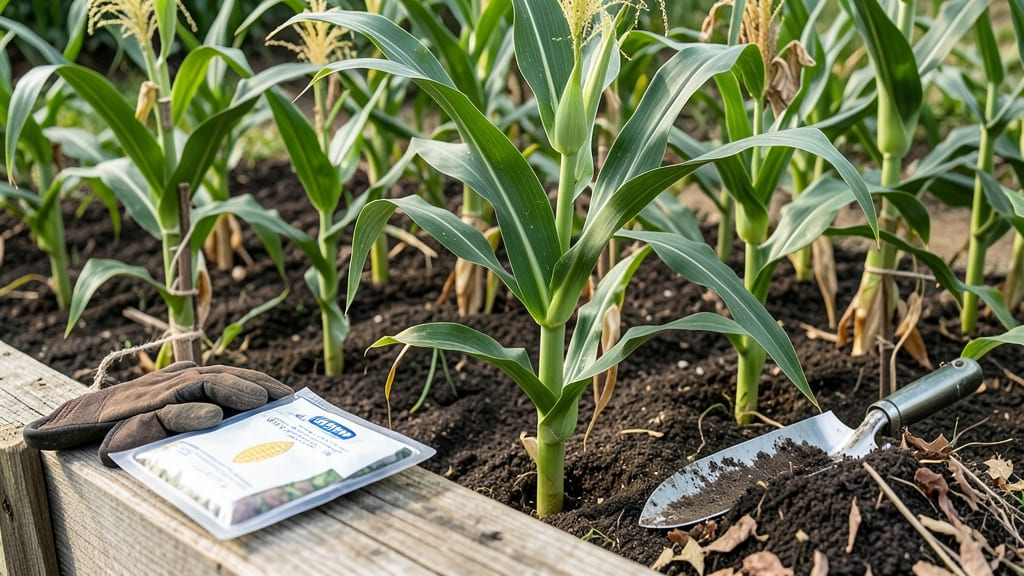
Getting your corn planting timing right in Zone 5b is the game-changer between a lush, golden harvest and a sad, stunted 🌽. Too early, and frost will nip your tender sprouts before they even think about growing. Too late, and your plants might bolt or never reach their full potential.
Most gardeners in Zone 5b wait until mid-April to early May—after the last frost has passed—but there’s a smarter way. The real secret? Soil temperature.
Corn loves to germinate when the ground hits 60°F, and waiting for that magic number ensures your seeds don’t sit in cold, damp soil, rotting instead of rooting.
In this guide, I’ll break down the exact window for planting, how to test your soil temperature like a pro, and even how to adjust if Mother Nature throws a curveball.
Whether you’re growing sweet corn for summer sides or dent corn for fall storage, timing is everything—and I’ve got the tricks to make sure your 🌽 thrives.
Ready to turn your garden into a cornucopia? Let’s dive into the fastest way to get your corn off to a flying start, no guesswork required.
Optimal soil temperature ranges for planting corn in Zone 5B
Corn thrives when planted in soil temperatures between 50-60°F for germination, but it won't reach peak growth until the soil hits 60-85°F. In Zone 5B, this typically aligns with mid-April to early May, but timing varies yearly based on weather patterns.
Waiting for consistent soil temps ensures faster, more reliable sprouting—skipping this step often leads to uneven germination or stunted plants.
Most gardeners in Zone 5B make the mistake of planting too early, hoping for a head start. Cold soil slows germination, leaving seeds vulnerable to rot or pests. Instead, use a soil thermometer to track temps—plant only when readings stay above 50°F for 10 consecutive days.
This rule minimizes risk and maximizes your chance of a uniform stand of corn.
Here’s how to test your soil temperature accurately: Bury the thermometer 2-3 inches deep in a shady spot (direct sunlight skews readings). Check readings in the late afternoon when soil is warmest. If temps dip below 50°F at night, delay planting—corn seeds won’t germinate in fluctuating conditions.
🌱 Corn Soil Temperature Guide for Zone 5B
| Stage | Ideal Soil Temp (°F) | Zone 5B Timeline | Action |
|---|---|---|---|
| Germination | 50-60°F | Mid-April to early May | Plant when soil hits 50°F for 10+ days |
| Active Growth | 60-85°F | Late May to June | Monitor moisture; fertilize lightly |
| Tasseling | 70-85°F | June to July | Increase water; watch for pests |
| Harvest | 60-75°F | July to September | Pick when silks turn brown |
💡 Pro Tip: Use black plastic mulch 1-2 weeks before planting to warm soil faster and deter weeds.
If your soil temps lag behind schedule, don’t panic—corn seeds can tolerate brief cold snaps as long as they’re planted deep (1 inch) and soil stays above 40°F.
However, prolonged cold (45°F for 3+ days) will delay germination by weeks. For faster warming, try clear plastic mulch or a cold frame over seed beds.
Another key factor is air temperature. While soil temps are critical, air temps should stay above 60°F during the day for healthy seedling growth.
In Zone 5B, this usually means waiting until after the last frost date (mid-May) for late varieties, but early-maturing types can handle slightly cooler air if soil is warm.
To create the ideal environment, amend your soil with compost or aged manure before planting. Organic matter improves soil warmth retention and drainage, which corn loves.
Avoid fresh manure—it can overheat soil and burn tender seedlings. Instead, mix in 2-3 inches of compost 2-3 weeks before planting to let it integrate.
Finally, remember that corn is sensitive to frost at all stages. Seedlings can handle a light frost (28°F) but will suffer damage below 25°F. Use row covers if late frosts threaten after germination.
For extra protection, plant near warm microclimates, like south-facing fences or brick walls, which absorb heat during the day.
By mastering soil temperature cues, you’ll double your chances of a successful corn harvest in Zone 5B. The key is patience—waiting for the right conditions beats rushing and risking failure.
Once your seeds hit that 50°F threshold, you’re on your way to tall, productive stalks ready for harvest in summer! 🌽
Best planting windows in Zone 5B: early vs. late corn varieties
Zone 5B gardeners face a critical decision: early-maturing corn (60-70 days) or late-maturing varieties (90+ days). Your choice directly impacts harvest timing and frost risk.
Early varieties like 'Early Sunglow' (65 days) should hit the soil by late April to early May, while late varieties like 'Silver Queen' (95 days) need mid-May planting to avoid early frost.
Staggered planting is my secret weapon for extended harvests. Plant early varieties first, then follow with late-maturing types 2-3 weeks later. This ensures corn ripens over 4-6 weeks, giving you fresh ears even if weather throws curveballs.
Think of it as a rolling harvest strategy—no more feast-or-famine corn season!
Here’s the frost risk breakdown for Zone 5B:
| Variety Type | Planting Window | Harvest Window | Frost Risk |
|---|---|---|---|
| Early (60-70 days) | Late April–Early May | Late July–Early August | Low (if planted by May 1) |
| Mid (70-85 days) | Early–Mid May | Mid-August–Early September | Moderate (watch for early Sept frost) |
| Late (90+ days) | Mid–Late May | Late August–October | High (requires row covers) |
For late-maturing varieties, I recommend row covers or black plastic mulch to extend the season. These tools add 2-4°F warmth to the soil, helping roots stay active longer. Even a simple lightweight frost blanket can buy you 1-2 extra weeks of harvest time—worth the effort for sweet corn lovers!
Pro tip: Monitor tasseling (when pollen appears) to predict harvest timing. Early varieties tassel in 50-60 days, while late types take 70-90 days. Once you spot those golden pollen strands, count 20-25 days to harvest—your ears will be ready when silks turn brown.
Don’t forget companion planting to maximize space! Pair corn with beans or squash—they fix nitrogen and deter pests. Just avoid planting near tomatoes or cabbage, as they compete for nutrients and attract similar pests.
A well-planned three-sisters garden (corn, beans, squash) is a Zone 5B staple for good reason.