
Plants
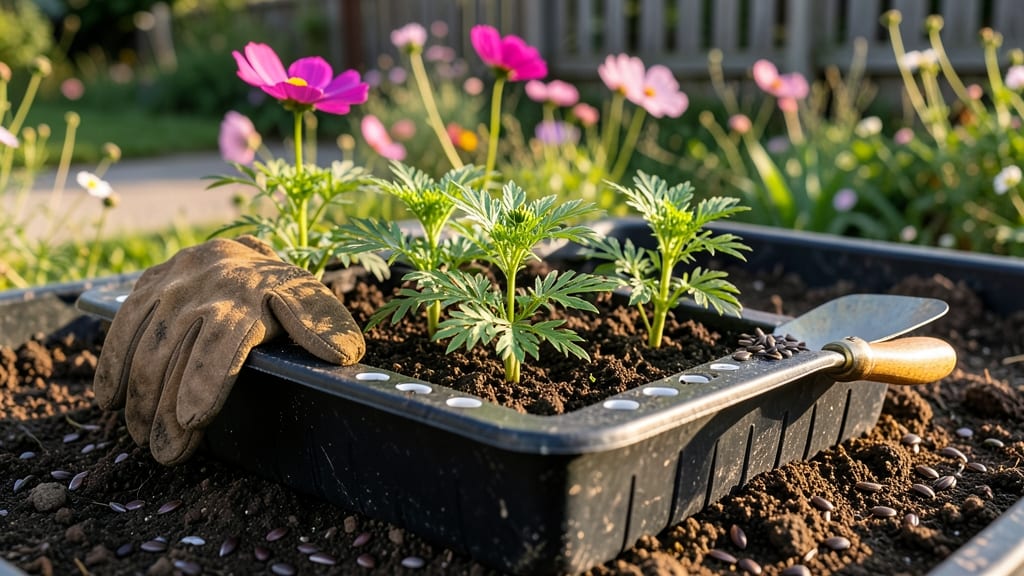
Knowing when to plant cosmos seeds in Zone 7 could mean the difference between a garden bursting with 🌸 cosmos blooms all season and a patch of sad, bolted stalks.
These cheerful flowers thrive when planted at the right time—but get it wrong, and you’ll miss out on their vibrant displays.
The key is timing around your last frost date and soil temperature. In Zone 7, you’ve got two prime windows: spring (after frost) and fall (for extended blooms). Plant too early, and your cosmos might bolt before flowering. Too late, and you’ll lose precious growing time.
I’ll break down the exact weeks to sow seeds—whether you’re starting indoors or going straight into the garden—and how to adjust for your specific microclimate. Plus, I’ll share pro tips to prevent bolting and keep your cosmos flourishing from June through October.
Ready to grow cosmos that wow? Let’s dive into the perfect planting schedule for your Zone 7 garden.
Optimal spring planting dates for cosmos in Zone 7 (avoiding early bolting)
Timing your cosmos seeds in Zone 7 is all about beating the heat while avoiding early bolting. Cosmos thrive in cooler soil temperatures, so planting too early can shock seeds into premature flowering, cutting your bloom season short.
The ideal window is after your last frost date—typically mid-April to early May—when soil temperatures consistently reach 60°F.
In northern Zone 7 (e.g., parts of Virginia or Pennsylvania), aim for late April to give seeds time to germinate before summer heat sets in. Meanwhile, southern Zone 7 (like North Carolina or Georgia) can start as early as mid-March in microclimates with early warming.
Always check your local frost-free date—planting too soon risks frost damage to young seedlings.
Here’s the golden rule: Wait until nighttime temperatures stay above 50°F and soil is warm to the touch. A simple trick?
Press your finger into the soil—if it feels like a warm bath (not cold), it’s ready. Direct sowing is best for cosmos; they dislike transplanting and bolt faster when disturbed.
Zone 7 Spring Planting Timeline
| Stage | Action | Notes |
|---|---|---|
| Late March | Test soil temperature | Use a soil thermometer; aim for 60°F+ |
| Mid-April | Prepare seed beds | Loosen soil, add compost, and rake smooth |
| Late April | Sow seeds ¼ inch deep | Space 12–18 inches apart; thin seedlings later |
| May–June | Monitor for bolting | If stems elongate too fast, mulch to cool roots |
Once seeds are in the ground, keep soil consistently moist (not soggy) for 5–7 days to encourage germination. Cosmos seeds sprout quickly—often within 7–14 days—but they’re sensitive to drought stress.
A light mulch (straw or shredded leaves) helps retain moisture and regulate soil temperature, which is critical in Zone 7’s variable spring weather.
Pro tip: If your spring is unusually warm, opt for shorter varieties like 'Sensation Mix' or 'Bright Lights'. These bolt less readily in heat and still deliver vibrant blooms from June to frost.
For taller cosmos (like 'Seashells'), plant in partial shade if your area hits 90°F+ early.
After seedlings reach 2–3 inches tall, thin them to 12–18 inches apart to prevent competition. This spacing ensures strong stems and larger blooms, not the leggy, weak growth that bolts prematurely. Deadhead spent flowers to encourage continuous blooming through October—or even later with a little protection.
Remember: Cosmos are self-seeding, so if you plant in spring, you’ll likely get volunteer plants next year. But if you’re aiming for fall color, save some seeds for a July–August sowing—we’ll cover that in the next section!
The key is staggered planting to avoid a single flush of blooms.
For Zone 7 gardeners with short attention spans, cosmos are forgiving—but not infinitely. If you miss the spring window, don’t despair: fall planting can still yield stunning results, especially with the right varieties and care.
Stay tuned for our fall strategy to extend your cosmos season well into winter.
Fall planting strategy for cosmos in Zone 7: extending blooms through winter
Fall planting might seem counterintuitive for cosmos, but in Zone 7, it’s the secret to continuous blooms from summer straight through to first frost. The trick lies in sowing seeds 8–10 weeks before your average first frost date (typically mid-September to early October in Zone 7).
This timing ensures cosmos mature before winter sets in, giving you late-season color when many other flowers fade.
For Zone 7’s northern edge (e.g., Pittsburgh or Richmond), aim for late August to early September. In southern Zone 7 (like Atlanta or Raleigh), you can push it to mid-September.
The goal is to give seedlings 60–70 days of growth before temperatures dip below 40°F at night. Use a soil thermometer—fall seeds need soil temps of 60–70°F for reliable germination.
Here’s how to maximize your fall cosmos success with staggered sowings:
5 Steps to Fall Cosmos Planting
- 📅 Week 1: Sow first batch in late August (northern Zone 7) or mid-September (southern Zone 7).
- 🌱 Week 3: Thin seedlings to 12–18 inches apart once they hit 2 inches tall.
- 🌡️ Week 5: Add mulch (3–4 inches) to insulate roots as temps drop.
- 🌿 Week 7: Deadhead spent blooms to redirect energy to new growth.
- ❄️ Week 9: Protect mature plants with row covers if frost threatens before blooms fade.
Choose cold-hardy varieties like 'Pink Sensation' or 'Sonata Mix' for fall—they tolerate brief chills better than heat-sensitive types. If your fall is particularly mild, you might even get winter blooms!
For extra insurance, plant in south-facing beds where soil stays warmer longer, or use black plastic mulch to absorb heat during the day and radiate it back at night.
Watering shifts in fall: Reduce frequency but increase depth to 1–1.5 inches per week. Cosmos in fall need consistent moisture to establish roots before winter, but soggy soil invites fungal diseases. Aim for morning watering to let foliage dry before evening.
If your cosmos start bolting prematurely in fall, they’re reacting to long daylight—try moving them to partial shade or use a light shade cloth to trick them into blooming later.
Don’t forget: Fall cosmos are self-seeding champions. If you let a few plants go to seed, they’ll pop up next spring with minimal effort.
For a guaranteed show, mark your calendar for July sowings too—this creates a bridge between spring and fall plantings, ensuring nonstop color from June to November. With this strategy, your Zone 7 garden becomes a cosmos paradise that outshines neighbors’ summer-only displays.