
Plants
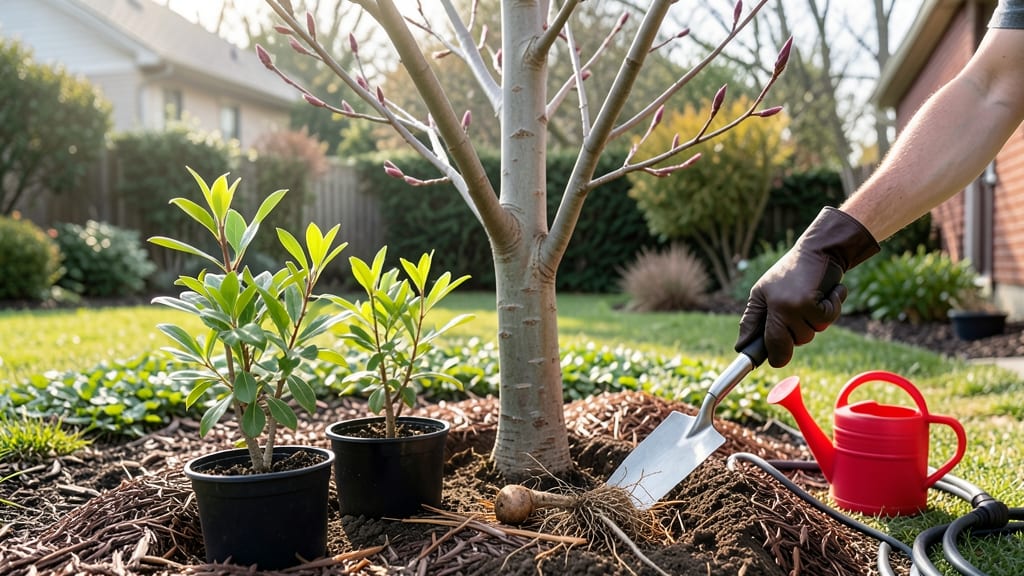
If you’ve ever planted a Crepe Myrtle 🌸 in North Carolina only to watch it struggle through the seasons, timing might be the missing piece.
The difference between a thriving tree and one that fights for survival often comes down to those few weeks before the last frost—when roots need to establish before summer’s heat hits.
North Carolina’s 6a-8b zones create unique microclimates, meaning what works in the Coastal Plain might fail in the Piedmont. I’ll break down the exact windows—from late winter’s chill to early spring’s warmth—and how to adjust for your specific region to give your Crepe Myrtle the best possible start.
Whether you’re planting bare-root saplings or container-grown varieties, knowing when to get them in the ground (and how to prep the soil) can save you from costly mistakes. Let’s cut through the guesswork so you can enjoy those iconic summer blooms year after year.
Ready to transform your landscape? I’ll walk you through the critical deadlines, soil tricks, and even how to push the limits with fall planting—so your 🌸 Crepe Myrtle becomes the showstopper you’ve been waiting for.
North Carolina’s exact planting windows: weeks before last frost by region
North Carolina’s diverse climate zones—from the Coastal Plain to the Mountains—create distinct planting windows for crepe myrtles. Timing isn’t just about avoiding frost; it’s about matching your location’s average last frost date and soil temperatures.
For most of NC, the ideal window is 4-6 weeks before the last frost, but this shifts by zone.
In USDA Zone 6a (Western NC Mountains), where frost lingers until mid-March, aim to plant between February 15 and March 15. Meanwhile, in Zone 8b (Coastal NC), where frost is rare after early March, you can plant as late as mid-April without risk.
The Piedmont region (Zone 7a-7b) falls in between, with a sweet spot of late February to early April.
Here’s the key: Soil temperatures must reach 60°F+ for roots to establish. In colder zones, this may mean waiting until late March, even if frost dates suggest earlier planting. Use a soil thermometer to confirm—it’s your best guide when averages don’t align with your microclimate.
🌱
| Region | USDA Zone | Last Frost Date | Planting Window | Soil Temp Goal |
|---|---|---|---|---|
| Coastal Plain | 8a-8b | Early March | Late Feb - Mid-April | 60°F+ |
| Piedmont | 7a-7b | Mid-March | Late Feb - Early April | 60°F+ |
| Mountains | 6a-6b | Mid-March | Feb 15 - March 15 | 60°F+ |
*Adjust for microclimates—valleys frost later than peaks!
For container planting, you’ve got more flexibility. Potted crepe myrtles can tolerate cooler soils and can be planted 2-3 weeks earlier than in-ground varieties. This is because containers warm up faster in spring. However, avoid planting in containers after mid-May—root-bound stress in summer heat can stunt growth.
Pro tip: If you’re in Zone 7a or cooler, consider fall planting (September-October). Crepe myrtles establish roots in cool weather, giving them a head start for spring blooms. Just ensure the ground isn’t frozen—60°F soil temps are ideal for root development.
Missed the spring window? Don’t panic. Late summer (August) is your second chance, but only for bare-root or container-grown plants. Water deeply every 5-7 days to help roots adjust before winter dormancy.
In Zone 8b, you can even push it to early November, but mulch heavily to protect roots.
🌿
Remember: Crepe myrtles hate soggy roots. If your area gets heavy rains during planting season, opt for raised beds or amend clay soil with compost and sand to improve drainage. Poor drainage in spring can lead to root rot, even if timing is perfect.
Finally, variety matters. Dwarf varieties like ‘Arapaho’ (6-10 ft) establish faster in cooler zones, while standard types like ‘Natchez’ (20-30 ft) thrive best in Zones 7b and warmer. Check the tag—some are bred for faster root growth in short seasons.
☀️
Signs your Crepe Myrtle planting timing is perfect (or terrible)
Perfect timing for planting Crepe Myrtles 🌸 in North Carolina isn’t just about avoiding frost—it’s about catching the tree when it’s biologically ready to thrive. One of the first green flags is when soil temperatures consistently reach 60°F or higher at a depth of 6 inches.
Use a soil thermometer to check, especially in cooler mountain regions where soil warms more slowly.
Another key indicator is the leaf bud swelling on your sapling. When you see those buds starting to plump up (but before they burst open), that’s your cue that the tree is eager to grow.
In USDA Zone 7a (common in the Piedmont), this usually happens by mid-March, while in Zone 8b (Coastal Plain), it can be as early as late February.
⚠️ WARNING: Planting too early is a common mistake that leads to root rot or frost damage. If you plant before the soil warms, your Crepe Myrtle’s roots stay cold and dormant, starving the tree of energy. Look for yellowing leaves or stunted growth in the weeks after planting—these are classic signs you planted too soon.
🌡️ Danger Zone Alert
Planting when soil temps are below 50°F risks root suffocation and fungal diseases. In NC’s Mountain regions (Zone 6a), wait until after April 15 unless you’re using root insulation.
On the flip side, planting too late can leave your Crepe Myrtle struggling to establish roots before summer’s heat sets in. If you miss the 4-6 week window before last frost, your tree may enter a heat-induced dormancy, where it conserves energy instead of growing.
Watch for wilting despite watering or brown leaf edges—these are classic signs of late-season stress.
For fall planting (another viable option in NC), aim for 6-8 weeks before first frost (typically late September to early October). The ideal fall window is when soil temps drop to 70-75°F, giving roots time to establish before winter.
Look for new root growth at the soil line—this confirms your timing was perfect.
Pro tip: Container-grown Crepe Myrtles can handle slightly later planting than bare-root varieties, but don’t push it past mid-May in most of NC. If you’re unsure, dig a small hole near your planting site and check soil moisture—if it’s bone-dry, your tree will struggle to establish roots regardless of timing.