Companion Plants
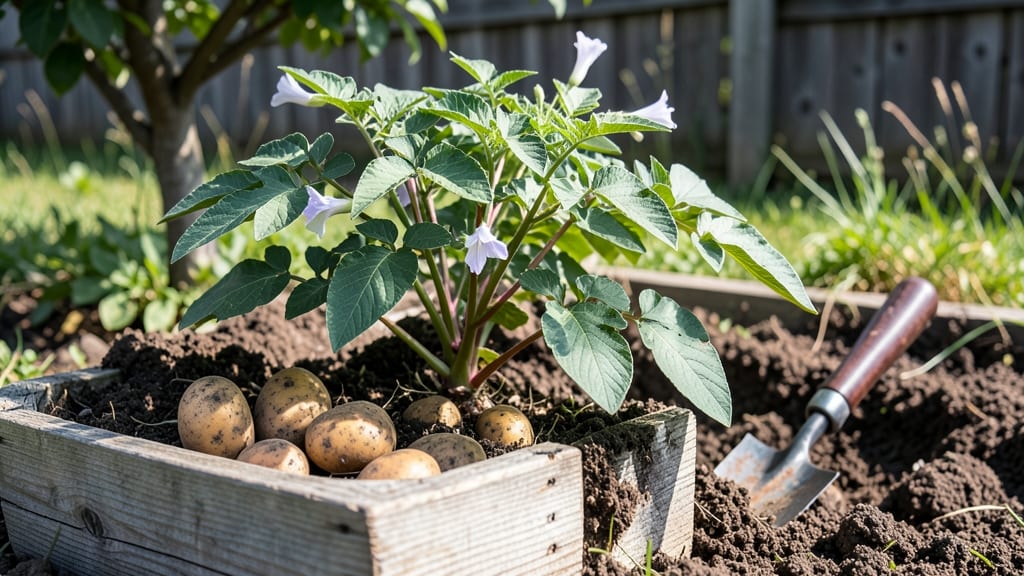
Timing your 🥔 potato planting in Zone 7b can make or break your harvest—get it wrong, and you might end up with stunted tubers or wasted seed potatoes. The key is planting 2-4 weeks before your last frost date, but there’s more to it than just counting weeks.
Most gardeners in Zone 7b aim for early spring, around March, when soil temperatures hit at least 45°F. But late summer planting is also possible if you’re targeting a fall harvest.
Whether you’re growing early varieties like Yukon Gold or later ones like Red Pontiac, knowing the exact window helps avoid frost damage and ensures strong starts.
I’ll walk you through the best planting times, soil prep tips, and even how chitting (pre-sprouting) can give your potatoes a head start. No more guessing—just actionable advice to get your 🥔 potatoes thriving in Zone 7b’s climate.
Ready to dig in? Let’s break down the perfect schedule so you can enjoy a bountiful harvest come June or October.
Zone 7b potato planting timeline: exact weeks before last frost by variety
In Zone 7b, where the average last frost date falls around March 15, timing your potato planting is critical. The ideal window spans 2-4 weeks before last frost, but the exact timing depends on your chosen variety and soil conditions.
Early varieties like Red Pontiac can go in first, while slower maturing types like Yukon Gold need that extra warmth.
Your goal is to plant when soil temperatures consistently reach 45°F+, ensuring tubers sprout without frost damage. In my experience, this typically lands in mid-to-late March for Zone 7b gardeners. Missing this window risks stunted growth or total crop failure from unexpected late frosts.
Here’s the breakdown: Early varieties (60-90 days to harvest) get planted first, followed by mid-season (90-120 days), and finally late varieties (120+ days). This staggered approach maximizes your harvest window and reduces frost risk.
| Variety Type | Planting Window (Zone 7b) | Soil Temp Threshold | Days to Harvest | Notes |
|---|---|---|---|---|
| Early (e.g., Red Pontiac) | Mid-March (3-4 weeks before last frost) | 45°F+ | 60-90 days | Fastest to mature; ideal for early harvests. |
| Mid-Season (e.g., Yukon Gold) | Late March (2-3 weeks before last frost) | 48°F+ | 90-120 days | Balanced growth; best for summer harvests. |
| Late (e.g., Fingerlings) | Early April (1-2 weeks before last frost) | 50°F+ | 120+ days | Longer season; needs warmer soil. |
For Zone 7b gardeners, I recommend using a soil thermometer to confirm readiness. Cold soil delays sprouting, and potatoes won’t thrive if planted too early. If your soil is still below 45°F in mid-March, wait another week or use row covers to warm the soil faster.
Pro tip: Chitting (pre-sprouting) your seed potatoes 4-6 weeks before planting gives you a head start. Place them in a cool, bright spot with sprouts facing up—this ensures faster emergence once soil warms up.
If you’re unsure about your last frost date, check local weather records or use the USDA Plant Hardiness Zone Map. In my garden, I’ve found that planting Yukon Gold in early April yields the best results, while Red Pontiac planted in late March often harvests first.
Remember, potatoes also tolerate fall planting in Zone 7b for a late harvest. Plant seed potatoes in late August (8-10 weeks before first frost) for a crop ready by October. This works best with early varieties and requires careful frost protection.
One common mistake I’ve seen is planting potatoes too close to the frost date. If your soil is still cold, even a light frost can kill young sprouts. Always prioritize soil temperature over calendar dates for the best results.
How to adjust planting for early vs. late harvests in Zone 7b
Zone 7b gardeners can stretch the potato-growing season with smart timing—planting for early harvests in spring or late harvests in fall. The key is adjusting your schedule to match your variety type and frost risk.
Early varieties like Red Norland mature in 60-80 days, while late varieties like Yukon Gold take 90-120 days.
For spring planting, aim to harvest before summer heat stress sets in. Start 2-4 weeks before last frost (typically mid-March in Zone 7b) to ensure tubers mature by late June.
If you miss this window, consider succession planting—plant a second crop in early May for a July harvest.
For fall harvests, plant late summer (around August 1st) to take advantage of cooler temperatures. Use row covers to extend the season and protect tubers from early frost. Late varieties like Kennebec thrive in these conditions, giving you a harvest in October or November.
🌱 3 Key Strategies for Zone 7b Potato Planting
- Succession Planting: Stagger plantings every 2-3 weeks in spring for continuous harvests.
- Row Covers: Use frost cloth to protect early plantings or extend fall harvests by 2-3 weeks.
- Soil Warmth: Wait until soil reaches 45°F+—cold soil delays sprouting and invites rot.
One common mistake is planting too early when soil is still cold. If you plant in February, your potatoes may rot before sprouting. Use a soil thermometer to confirm readiness—45°F is the magic number for consistent germination.
For late harvests, focus on disease-resistant varieties like Adirondack Red or Purple Majesty. These hold up better in humid Zone 7b summers and resist common blights. Always rotate crops to prevent soil-borne diseases from year to year.
Pro tip: If frost threatens your fall harvest, pile straw or leaves around the base of plants to insulate tubers. This buys you 1-2 extra weeks of growing time before harvest. Just