Plants
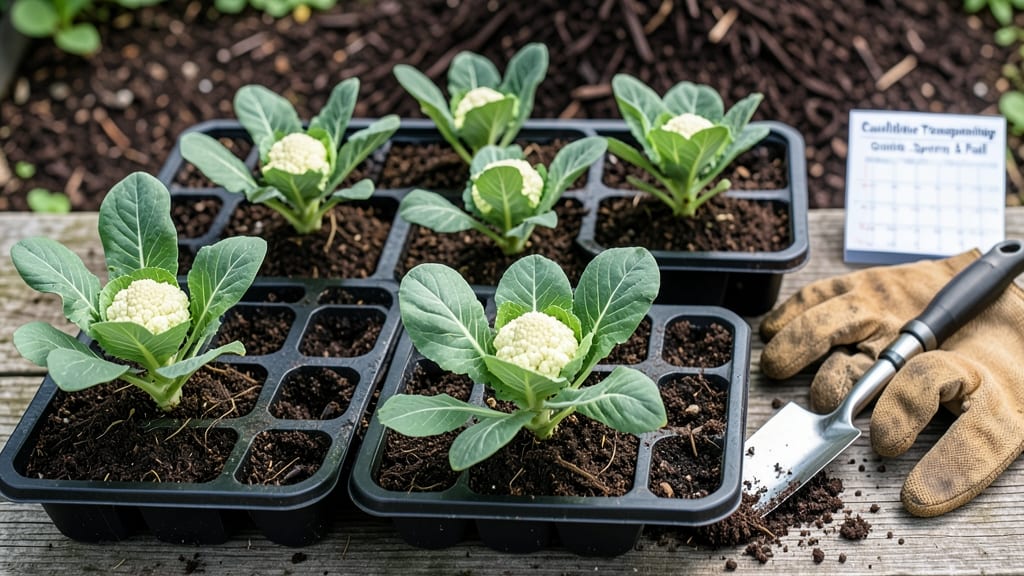
Knowing when to plant cauliflower in Zone 7 could mean the difference between a bountiful harvest and wasted effort. This cool-weather crop thrives when temperatures are just right, and getting the timing wrong often leads to bitter, bolted heads that ruin your meal plans.
In Zone 7, where last frosts typically arrive around March 15, planting too early exposes young plants to cold stress, while waiting too long risks summer heat triggering premature flowering.
The sweet spot? 4-6 weeks before your last frost date for spring planting, giving you a window of March-April to get seeds in the ground.
But here's the catch: cauliflower also performs well in fall, with a second planting window opening in August-September. This two-season approach lets you enjoy fresh 🥬 from June through November, provided you account for your first frost—usually around November 15 in Zone 7.
I'll walk you through the exact weeks to plant for both seasons, how to adjust for early/late varieties, and the simple tricks to prevent bolting—so you can grow perfect heads every time without the guesswork.
Zone 7 cauliflower planting timeline: exact weeks before last frost
In Zone 7, cauliflower thrives when planted at the right time—too early and frost zaps seedlings, too late and heat triggers bolting. The last frost date (typically March 15) is your anchor.
For spring, aim to plant 4-6 weeks before this date, while fall plantings need 10-12 weeks before the first frost (November 15). This ensures heads mature before cold sets in.
Cauliflower varieties mature in 60-100 days, but 60-80 days is ideal for Zone 7’s shorter growing season. Early varieties (like 'Snowball Y Improved') take 60-70 days, while late varieties (like 'Purple of Sicily') stretch to 90-100 days.
Match your variety to your planting window to avoid rushed harvests or wasted effort.
🌱
To pinpoint your exact planting dates, check your local last frost date (use the USDA Plant Hardiness Zone Map or a frost calendar for your city). For example, in Atlanta, GA (Zone 7b), the last frost is March 15, so plant February 15-March 1 for spring.
In Raleigh, NC (Zone 7a), aim for March 1-15.
For fall, count back 10-12 weeks from your first frost. In Dallas, TX (Zone 8a, but bordering Zone 7), this means August 15-September 1. Use shade cloth (30-50%) if planting in late summer to prevent bolting from heat stress.
Pro tip: Start seeds indoors 4-6 weeks before transplanting outdoors. Cauliflower seedlings need consistent moisture and cool soil (ideal: 45-65°F). Harden off seedlings for 7-10 days before moving them to the garden to avoid transplant shock.
🌡️
If your growing season is shorter than 120 days (e.g., high-altitude Zone 7 areas), opt for early-maturing varieties like 'Early Snowball' (60 days) or 'Purple of Sicily' (75 days). These fit neatly into spring’s 60-80 day window and avoid summer’s bolting risks.
For a second harvest, try a fall planting of 'Graffiti' or 'Romanesco', which tolerate cooler temps better. Plant these August 15-September 1 for a late-season harvest before hard frosts.
✂️
Zone 7 cauliflower planting timeline: exact weeks before last frost
Getting your cauliflower timing right in Zone 7 means avoiding the dreaded bolting (premature flowering) that turns your heads bitter. The key is planting 4-6 weeks before your last frost date for spring crops and 10-12 weeks before first frost for fall.
In Zone 7, that typically means March-April for spring and August-September for fall, but your exact dates depend on your local frost history.
Most cauliflower varieties take 60-80 days to mature, so your planting window must align with both frost dates and head maturity. For example, if your last frost is March 15, plant by February 15 for a June harvest.
Use a frost calculator (like the Old Farmer’s Almanac) to pinpoint your exact dates—every week counts!
Here’s the science: Soil temperatures below 45°F slow germination, while above 85°F triggers bolting. Zone 7’s spring warmth and fall cooling create perfect conditions if you time it right. Fall planting is riskier but can yield sweeter heads if you choose heat-tolerant varieties.
| Planting Window | Weeks Before Frost | Ideal Varieties | Harvest Month |
|---|---|---|---|
| Spring | 4-6 weeks | Snowball Y, Purple of Sicily | June-July |
| Fall | 10-12 weeks | Cheddar, Romanesco | October-November |
For extended harvests, stagger plantings every 2-3 weeks in spring or 3-4 weeks in fall. This ensures a steady supply of fresh heads without overwhelming your garden. Pro tip: Use shade cloth (30-50%) in summer to protect seedlings from heat stress, which can cause bolting before heads form.
If your last frost date is later than March 15 (e.g., April 1), adjust your spring planting to late February for early varieties. For fall, if your first frost is October 31, plant by late July to avoid heads forming too close to cold snaps.
Always check your local microclimate—valleys and low spots frost earlier!
Remember: Direct sowing is best for cauliflower, but if you start indoor seedlings, transplant them 2-3 weeks before your target outdoor planting date. Harden off seedlings gradually to prevent transplant shock, which weakens plants and makes them more susceptible to bolting.