Plants
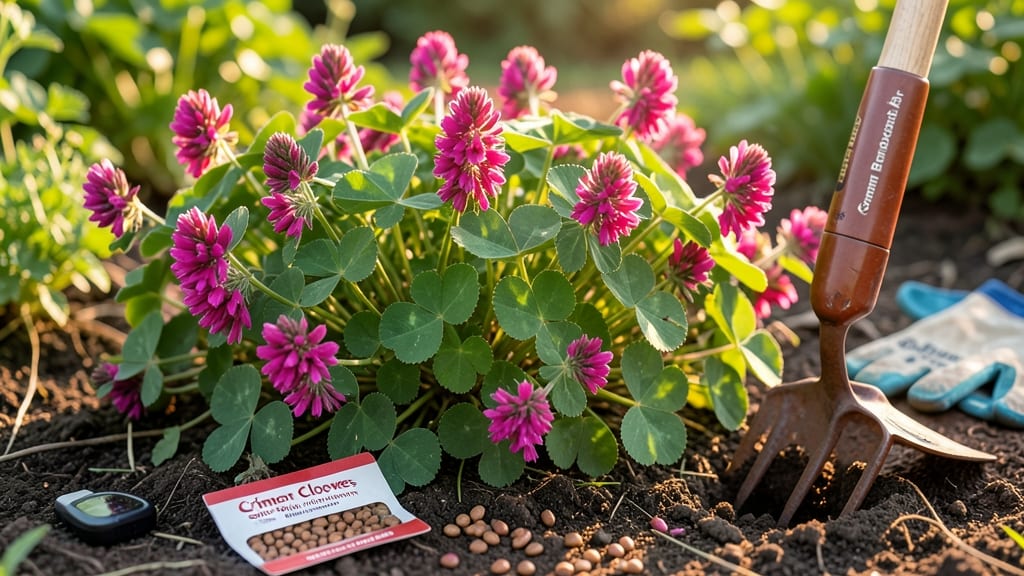
Planting crimson clover at the wrong time in Tennessee can mean the difference between a lush, pollinator-friendly ground cover and a failed cover crop. This hardy annual thrives in USDA zones 6a-7b, but getting the timing right—especially around frost dates—is the key to fast, reliable establishment.
Most gardeners in Tennessee swear by late summer to early fall planting, but spring works too if you act quickly. The secret? Planting 4-6 weeks before your first frost ensures roots establish before winter sets in.
For 6a-7b, that means aiming for August-September or early March-April—just as soil temperatures warm above 60°F.
Why does timing matter so much? Crimson clover 🌸 isn’t just pretty—it fixes nitrogen, suppresses weeds, and attracts bees. But if you plant too late, it won’t have time to grow strong before cold weather slows it down. Let’s break down the exact windows and regional tweaks to guarantee success.
Whether you’re a first-time grower or a seasoned gardener, these insights will help you avoid common mistakes and get your clover off to a fast, healthy start. Ready to transform your soil? Let’s dive into the perfect planting schedule for Tennessee’s climate.
Best planting windows for crimson clover in Tennessee (by region)
Timing your crimson clover planting is critical in Tennessee, where USDA zones 6a-7b create distinct regional differences. The ideal window ensures strong root development before winter—typically 6-8 weeks before first frost in most areas.
For East Tennessee, this means late August to early September, while West Tennessee can push planting until mid-October due to later frost dates.
Spring planting is also viable, but March-April is preferred to avoid summer heat stress. The key is soil temperatures above 60°F—crimson clover germinates best when the ground warms up naturally. Use a soil thermometer to confirm readiness, especially in Middle Tennessee where temperatures fluctuate unpredictably.
Here’s how Tennessee’s three regions break down for optimal planting:
| Region | USDA Zone | Fall Planting Window | Spring Planting Window | Frost Date Target |
|---|---|---|---|---|
| East Tennessee | 6a-6b | Late August - Early September | March 1-15 | 6-8 weeks before Nov 1 frost |
| Middle Tennessee | 7a-7b | Mid-August - Mid-September | March 15-April 1 | 6-8 weeks before Nov 15 frost |
| West Tennessee | 7a-7b | Late August - Mid-October | April 1-15 | 6-8 weeks before Nov 30 frost |
For East Tennessee, where colder microclimates dominate, aim to finish planting by September 15 to ensure roots establish before first frost. In West Tennessee, you can extend planting until October 15 thanks to milder winters.
Always check local frost date averages—your county extension office has precise data for your specific area.
Spring planting works best when soil temps stabilize above 60°F. In Middle Tennessee, this usually aligns with mid-March, while West Tennessee can start as early as late February. The goal is to outpace summer weeds while giving seeds time to germinate before heat sets in.
Pro tip: If you’re in a transition zone (like USDA 6b/7a borders), err on the earlier side for fall planting. Crimson clover is cold-hardy but struggles with late-season drought, so prioritize moisture during establishment.
For urban gardeners, microclimates near buildings or pavement can delay frost by 1-2 weeks. Monitor your specific area using a frost calendar or plant a test patch 2 weeks early to gauge success.
Remember: Crimson clover thrives with 6+ hours of sunlight and well-draining soil. If your garden gets partial shade, consider mixing it with white clover for better coverage.
Best planting windows for crimson clover in Tennessee (by region)
Tennessee’s diverse climate means planting windows for crimson clover vary by USDA zones 6a-7b and regional microclimates. The ideal window is 6-8 weeks before the average last frost date (March 15), but timing shifts 1-2 weeks earlier in cooler mountain areas.
For spring planting, aim for March-April when soil temps hit 60°F+ consistently.
East Tennessee’s cooler microclimates (e.g., Knoxville, Chattanooga) favor late August to early September plantings, while West Tennessee’s warmer zones (Memphis, Nashville) can extend planting until mid-October. Always check local frost data—unpredictable late frosts can damage young seedlings if planted too late.
🌱 Visual Guide: Planting Windows by Region
| Region | USDA Zone | Fall Planting Window | Spring Planting Window | Key Adjustment |
|---|---|---|---|---|
| East TN (Knoxville, Chattanooga) | 6a-6b | Late August–Early Sept | Early March–Mid-April | Plant 2 weeks earlier in high-elevation areas. |
| Middle TN (Nashville, Murfreesboro) | 7a | Mid-August–Early Oct | Mid-March–Late April | Extend fall window 1 week later in urban heat islands. |
| West TN (Memphis, Jackson) | 7b | Late August–Mid-Oct | Late March–Early May | Avoid planting after October 15—frost risk increases. |
For fastest establishment, seed crimson clover when daytime temps average 70-80°F but nights dip below 65°F—this triggers optimal germination without overheating seeds. In drought-prone areas, prioritize fall plantings to leverage winter moisture for root growth.
Pro tip: Use a soil thermometer to confirm 60°F+ soil temps before planting—cooler soils delay germination by 3-5 days. Planting too early in hot, dry soil can also reduce seed viability by up to 40%.
Spring plantings in Tennessee work best if you cover seeds lightly (¼ inch) to retain moisture and protect from wind. Avoid planting after April 15—summer heat can stress seedlings before they establish deep roots.
Always mow or till existing vegetation before planting to reduce competition. Crimson clover thrives in full sun, so clear shady spots (e.g., under trees) if possible—partial shade slows growth by 20-30%. 🌿