
Plants
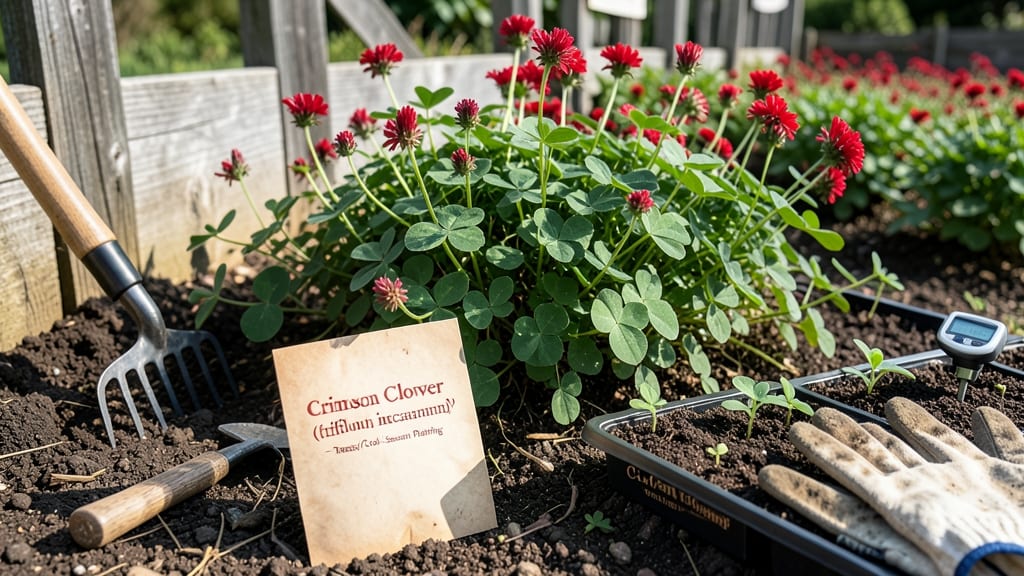
If you're a Texas gardener, getting your crimson clover 🌸 planting right could be the game-changer your soil needs—but timing is everything in our unpredictable climate. Plant too early, and you risk summer heat stress; too late, and frost might cut your chances short.
The difference between a thriving cover crop and a failed attempt often comes down to knowing exactly when to plant in your specific Texas zone.
Most Texas gardeners swear by fall planting between September and October, when temperatures start cooling down from the brutal summer heat. But did you know early spring (February-March) can also work wonders, especially in warmer southern zones like 9a-10b?
The key is understanding how your local frost dates and soil temperatures play into the equation—and I’ll break it all down so you never miss the perfect window again.
Whether you're in North Texas where frost can sneak in by November or South Texas where mild winters make spring planting viable, we’ll cover the exact timing tailored to your zone.
You’ll learn how to prepare your soil, choose the right varieties for your climate, and avoid common pitfalls that trip up even experienced gardeners.
Ready to transform your Texas garden with this nitrogen-rich powerhouse? Let’s dive into the precise planting schedule that’ll have your crimson clover thriving all season long—no guesswork required.
Texas crimson clover planting calendar by growing zone (fall vs spring)
Texas gardeners know timing is everything—especially when planting crimson clover, a nitrogen-fixing cover crop that thrives in cooler months but wilts under summer heat. The key to success lies in understanding your USDA growing zone (7-10) and aligning planting with soil temperatures and frost dates.
Fall planting is ideal for most Texas regions, but spring options exist for South Texas zones with milder winters.
North Texas (Zones 7-8) faces earlier frosts, while South Texas (Zones 9-10) enjoys extended growing seasons. For example, Dallas (Zone 8a) should plant in September-October, while Houston (Zone 9a) can extend planting until November.
Spring planting in Texas is riskier due to heat stress, but early February works in South Texas if soil temps stay below 75°F.
Here’s how to match your Texas zone with the perfect planting window:
For North Texas, aim to plant 6-8 weeks before first frost—typically by October 15. This gives seeds time to germinate before winter dormancy.
In Central Texas, you’ve got flexibility until late October, but avoid planting after November 1 unless you’re in Zone 9a+, where mild winters allow later sowing.
Spring planting in Texas is tricky. South Texas zones (9-10) can attempt it in February, but monitor soil temps closely—above 75°F stresses seedlings. Use shade cloth if planting early spring to protect young plants.
In North Texas, skip spring entirely; the heat will kill clover before it establishes.
Pro tip: Use a soil thermometer to confirm temps. Crimson clover needs 60-70°F soil to germinate. If your soil runs hotter, wait for cooler evenings or plant in shaded beds until temps drop. Mulching with straw helps regulate soil temps and retain moisture during Texas’ erratic weather swings.
Adjust your planting timeline if your season runs early or late. For example, if your area had an early frost in October, shift planting to mid-September. Conversely, if winters are unusually mild (like in Zone 9b+), you might push fall planting to November.
Always check your local Cooperative Extension Service for updated frost data.
Remember, crimson clover’s primary job is to improve soil health, not produce blooms. The faster it establishes, the sooner it fixes nitrogen and protects your soil from erosion. Prioritize seed-to-soil contact and consistent moisture—two critical factors Texas gardeners often overlook due to our dry climate.
Once planted, monitor for weed competition, especially in North Texas where cool seasons bring aggressive grasses. A light mulch layer (1-2 inches) keeps weeds down without smothering your clover.
With the right timing, your Texas garden will reward you with a lush green cover by winter—just in time for spring planting! 🌱
Texas crimson clover planting calendar by growing zone (fall vs spring)
Texas gardeners face a unique challenge with crimson clover 🌸—our state’s dramatic temperature swings demand precision timing. Planting too early risks summer heat stress, while waiting too long exposes young plants to frost. The solution?
A zone-specific schedule that aligns with your local frost dates and soil temperatures. Let’s break down the ideal windows for Texas’ USDA zones 7-10, where fall and spring planting each offer distinct advantages.
For North Texas (Zones 7-8), where frost can arrive as early as November, fall planting between September 15 and October 15 gives seeds time to establish before winter.
In contrast, South Texas (Zones 9-10) gardeners enjoy a longer window—planting as late as November 1 is often safe, or even early spring (February-March) for a second growth cycle. The key is soil temperature: aim for 60-70°F for optimal germination.
| Zone | Fall Planting Window | Spring Planting Window | Soil Temp for Germination | Frost Risk |
|---|---|---|---|---|
| 7a-7b (North TX) | September 15 - October 15 | February 15 - March 15 | 60-70°F | High (Nov-Dec) |
| 8a-8b (Central TX) | September 1 - October 30 | February 1 - March 30 | 60-70°F | Moderate (Nov-Jan) |
| 9a-9b (South TX) | October 1 - November 15 | February 15 - April 15 | 65-75°F | Low (Dec-Jan) |
| 10a-10b (Deep South TX) | October 15 - December 1 | March 1 - April 15 | 70-80°F | Minimal (rare frost) |
Adjust your planting dates based on local microclimates. For example, gardeners in the Hill Country (Zone 8a) might push fall planting to October 30 to avoid early frost, while those in East Texas (Zone 8b) can plant as late as November 1.
Always check your last frost date—a simple Google search for “[your city] frost dates” will save you from costly mistakes.
Spring planting offers a second chance for nitrogen boost, especially in Zones 9-10, where mild winters allow for early February starts. However, avoid planting after March 15 in North Texas—summer heat will stress young seedlings.
Pro tip: Use a soil thermometer ($15 at garden centers) to confirm temperatures hit your zone’s ideal range before sowing.
Remember, crimson clover thrives with full sun (6+ hours daily) and well-draining soil. If your Texas clay feels heavy, amend it with compost before planting to improve drainage and root growth.
With the right timing, you’ll have a lush cover crop ready to suppress weeds and enrich soil by next spring.