
Plants
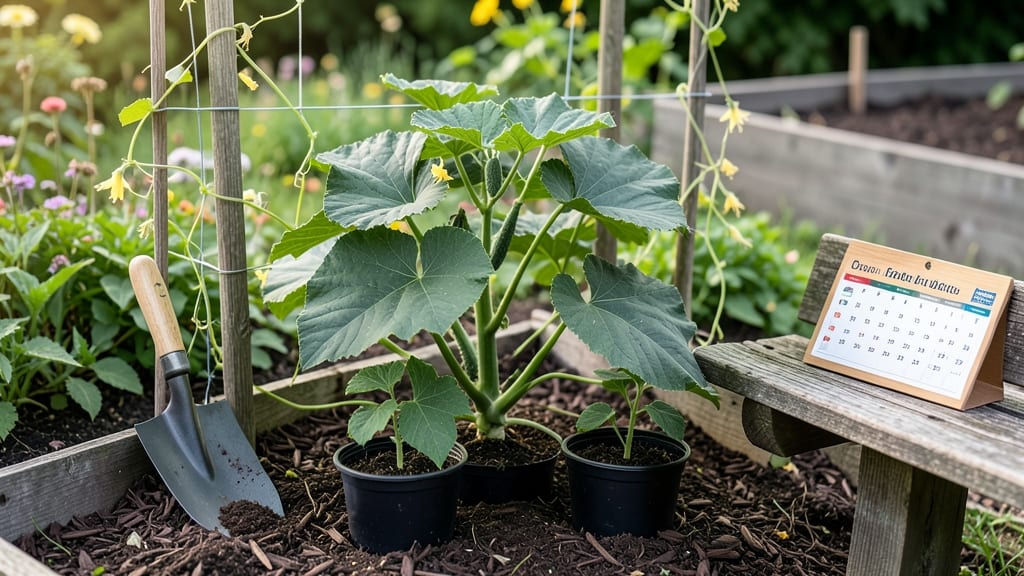
Knowing when to plant cucumber seeds in Ohio could mean the difference between a bumper crop of crisp 🥒 or a sad, bolted mess before summer even kicks in. Ohio’s spring weather plays hard to get—one day it’s frost, the next it’s sweltering—but with the right strategy, you can outsmart Mother Nature and enjoy homegrown cucumbers from July through September.
Most Ohio gardeners wait until after the last frost date (typically mid-to-late May in most zones), but there’s more to it than just the calendar. Soil temperature is the real game-changer—cucumber seeds need to feel the warmth, ideally hitting 60°F or above at a depth of 4 inches.
Test it with a soil thermometer, and you’ll know exactly when it’s safe to plant.
If you’re eager to get a jumpstart, you can begin seeds indoors 4-6 weeks before your target outdoor date, then transplant them once the soil warms up. This method gives you an edge, especially in cooler northern Ohio regions where summers feel shorter.
For direct sowing, aim for two weeks after your last frost—just make sure those seeds stay cozy under a row cover if nighttime temps dip.
Once you nail the timing, the rest is smooth sailing: consistent watering, a trellis for those vines, and maybe a few companion plants like radishes or beans to keep pests at bay. Let’s break down the exact steps to turn your Ohio garden into a cucumber paradise this season.
Ohio’s ideal cucumber planting window: soil temps and frost dates
Ohio’s last frost dates vary dramatically—from mid-April in southern Ohio to early June in the northeast corner. Cucumbers, which thrive in warm soil, need consistent temperatures above 60°F to germinate properly.
Planting too early risks cold soil and stunted growth, while waiting too long may shorten your harvest season.
Most Ohio gardeners aim to plant cucumber seeds 2-3 weeks after the average last frost date, but soil temperature is the real game-changer. A soil thermometer is your best tool—wait until the soil reaches at least 60°F at 4” depth.
In USDA Zone 5b (northern Ohio), this often means mid-May, while Zone 6a (central/southern Ohio) can start as early as late April.
Here’s the critical detail: cucumber seeds won’t germinate below 50°F, and seedlings are vulnerable to fungal diseases in damp, cool conditions. If your spring is slow to warm, consider starter plants or row covers to extend your planting window safely.
🌱
For direct-sown seeds, aim to plant cucumbers when your region’s frost-free window is at least 90 days long. This ensures your 60–75-day varieties will mature before fall frosts hit in late September or October.
In northern Ohio, this might mean sticking to shorter-season varieties like ‘Straight Eight’ or ‘Marketmore’.
Pro tip: Use a black plastic mulch to warm soil faster—it can raise temperatures by 5–10°F, giving you a 2-week head start on planting. This is especially useful in Zone 5b areas where springs are cooler. Just remove the mulch once vines start running to prevent overheating.
If you’re starting seeds indoors, begin them 3–4 weeks before your target outdoor planting date. Use grow lights or a sunny windowsill, and harden off seedlings for 7–10 days before transplanting. This gives you a buffer against late frosts and extends your harvest potential.
🌡️
Remember, Ohio’s humidity and summer heat can stress cucumber plants if they’re not established early. By planting at the right time—when soil is warm and frost risk is low—you’ll give your vines the best start for a bountiful, disease-resistant harvest.
Next, we’ll cover how to extend your season with row covers and succession planting!
How to extend Ohio’s cucumber season: starter plants, row covers, and succession planting
Ohio’s short growing season doesn’t mean you’re stuck with just a few weeks of cucumbers. With the right strategies, you can stretch your harvest from early summer all the way into fall.
The key is starting early and planting in stages to keep your vines producing fresh cucumbers when others are giving up. I’ve learned that a little planning can turn a 5-week harvest window into a 3-month feast—here’s how.
One of my favorite tricks is using hardened-off seedlings to jumpstart the season. Instead of waiting for the soil to warm naturally, I start seeds indoors 4-6 weeks before the last expected frost date. For Ohio, that means mid-March to early April for most regions.
Seedlings get a head start in 60°F soil, and by the time you transplant them, they’re already 2-3 inches tall and ready to race ahead of slower direct-sown seeds.
🌱Pro Tip: Use grow lights or a sunny windowsill for seedlings. Avoid overcrowding—plant seeds 1 inch deep and 1 inch apart in trays. Once true leaves appear, thin to 2 inches apart to give roots room to grow.
Step-by-Step Guide to Extending Your Cucumber Season
- 🌱 Start Indoors: Sow seeds 4-6 weeks before last frost (mid-March to early April). Use seedling trays with well-draining soil.
- ☀️ Hardening Off: Acclimate seedlings outdoors for 10-14 days. Begin with 2 hours/day, gradually increasing to full sun.
- 🌡️ Transplant Early: Move seedlings outdoors when soil reaches 60°F (use a soil thermometer). Choose overcast days to reduce stress.
- 🛡️ Use Row Covers: Protect young plants with floating row covers if nights dip below 50°F. Remove during pollination for bees to access flowers.
- 📅 Succession Plant: Sow new seeds every 2 weeks after the first planting. This ensures continuous harvests through September.
- 🌿 Choose Heat-Tolerant Varieties: Opt for ‘Straight Eight’ or ‘Marketmore 76’, which thrive in Ohio’s summer heat and resist bolting.
Another game-changer is floating row covers. These lightweight fabrics act like a blanket, trapping heat and shielding tender seedlings from late spring frosts or chilly nights. I’ve used them to protect my cucumbers until the soil consistently stays above 60°F. Just
For a longer harvest, try succession planting. Instead of planting all your seeds at once, stagger them every 2 weeks after the first planting. This keeps your garden producing cucumbers for 8-10 weeks instead of just a few. In Ohio, I plant my first batch in late April to early May, then follow up with two more batches in June and July to keep the harvest going.
🌿 Ohio-Specific Tip: If you’re in northern Ohio (USDA Zone 5), aim for early-maturing varieties like ‘Boston Pickling’ (58 days). In southern Ohio (Zone 6-7), you can afford slower varieties like ‘Lemon Cucumber’ (70 days) and push harvests later into fall.
Finally, don’t forget to mulch your cucumber beds. A thick layer of straw or shredded leaves keeps the soil warm, retains moisture, and suppresses weeds. This is especially helpful in Ohio’s humid summers, where soil can dry out quickly.
Mulching also reduces the risk of soil-borne diseases, giving your plants a fighting chance against Ohio’s notorious downy mildew.