
Plants
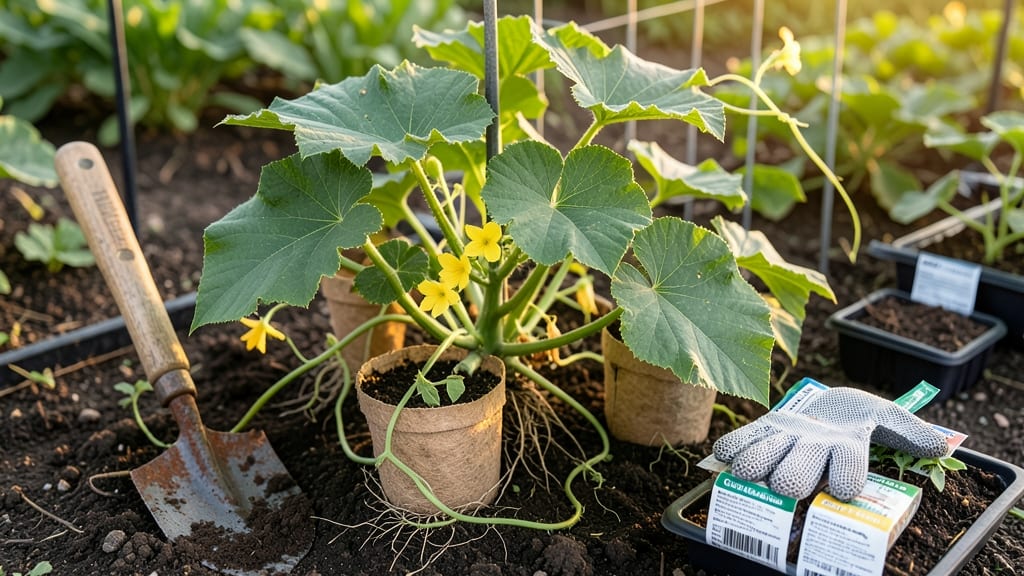
Timing your cucumber planting in Mississippi isn’t just about following a calendar—it’s about outsmarting the heat, humidity, and unpredictable spring weather to avoid bitter, bolted plants before they even get started.
With USDA zones 7b-9a and a growing season that stretches from March to October, there’s a perfect window—but only if you know the tricks.
Most gardeners make one critical mistake: planting too early when soil temps are still cool, or too late when summer’s sweltering heat triggers early bolting.
The ideal soil temperature for cucumbers is 60°F+, and waiting for that magic number—plus accounting for your microclimate—is the difference between a bumper crop and a sad, wilted vine.
In this guide, I’ll break down the exact planting dates for Mississippi’s three regions (North, Central, and South), share heat-resistant varieties that thrive here, and reveal shade strategies to keep your 🥒 cucumbers producing all summer long. No more guesswork—just a foolproof plan for zero-bolt success.
Whether you’re a first-time gardener or a seasoned pro, these regional insights and pro tips will help you beat the heat and harvest crisp, sweet cucumbers from May through October. Let’s get started.
Mississippi cucumber planting calendar: soil temps & frost-free deadlines by region
Mississippi’s three distinct climate zones—North, Central, and Gulf Coast—each demand different cucumber planting strategies. The key to success? Soil temperature and frost-free deadlines, which vary by 10-14 days across the state.
For example, Jackson (North) has a later last frost date than Biloxi (South), meaning your planting window shifts northward by weeks.
Cucumbers need soil temps of 55°F+ to germinate and 70°F+ for optimal growth. In Mississippi, this typically aligns with mid-March to mid-May for spring plantings and mid-July to mid-August for late-summer varieties.
But don’t guess—use a soil thermometer to confirm readiness, especially in urban heat islands where pavement warms soil faster.
Here’s how to align your planting with Mississippi’s regional frost-free deadlines and microclimate nuances:
Mississippi’s Gulf Coast can plant 4–6 weeks earlier than the North, but don’t rush—cold snaps in March can still damage tender seedlings. For example, the 2021 late-March freeze devastated early plantings in Hattiesburg.
To hedge your bets, use row covers for 2–3 weeks post-planting to protect against unpredictable nighttime dips below 40°F.
For late-summer plantings (July–August), focus on heat-tolerant varieties like ‘Southern Sweet 100’ or ‘Straight Eight,’ which thrive in 90°F+ temps. These varieties also resist powdery mildew, a common issue in Mississippi’s humid summers. Pair them with drip irrigation to keep foliage dry and prevent fungal outbreaks.
Pro tip: Check the Mississippi State Extension Service’s frost maps (updated annually) for real-time adjustments. Their 2024 data shows a 5-day shift later in frost dates compared to 2020, likely due to climate trends. Bookmark their “Garden Calendar” tool for alerts on soil warming and pest outbreaks.
If you’re in a transition zone (e.g., Tupelo or Columbus), split your planting: 20% of seeds in early April and the rest by mid-April. This staggered approach ensures a continuous harvest from June through October, even if early plantings bolt.
Finally, urban gardeners in cities like Jackson or Biloxi face microclimate challenges like concrete heat absorption and limited windbreaks. To compensate, plant in elevated beds filled with compost-rich soil and use reflective mulch (like aluminum foil) to deflect excess heat from sidewalks.
🌱
How to avoid early bolting: Mississippi-specific tips for heat-tolerant varieties & shade strategies
Mississippi’s 90°F+ summers can send cucumbers into a premature bolting frenzy—where they flower and fruit too early, then fizzle out before harvest. The key? Choosing heat-resistant varieties and using shade strategies to buy time for vines to establish roots before the real heat hits.
I’ve grown cucumbers in Jackson’s Zone 8a for years, and the difference between a 50-pound harvest and a disappointing handful often comes down to these two factors. Let’s tackle them one by one, starting with the varieties that actually thrive in Mississippi’s heat.
⚠️ Visual Element: Pros-Cons Box
🥒 Mississippi Cucumber Varieties: Bolt Resistance Showdown
Pros: Heat-tolerant, disease-resistant, 55-day harvest
Cons: Needs trellis, vines spread aggressively
Pros: Classic pickling cucumber, bolt-resistant, 50-day harvest
Cons: Requires consistent water, prone to powdery mildew
Pros: Thrives in heat, unique flavor, 60-day harvest
Cons: Less productive in humid conditions, needs space
💡 Tip: For urban containers, try ‘Bush Champion’—it’s compact and bolt-resistant!
Once you’ve picked the right variety, the next battle is delaying bolting until your plants are ready.
Here’s my 3-step shade strategy that’s worked in Meridian’s Zone 8b: Start with black plastic mulch to warm the soil faster, then add 30% shade cloth over seedlings during 10 AM–2 PM when temps hit 85°F+.
Finally, train vines up a trellis on the north side of your garden to reduce direct sun exposure.
Watering deeply in the morning (1–2 inches per week) is just as critical. I’ve seen cucumbers bolt within 48 hours of drought stress, so I use drip irrigation on a timer to keep roots consistently moist.
Avoid wetting leaves to prevent powdery mildew, which weakens plants and makes them more prone to bolting.
For late-summer plantings (July–August), I switch to ‘Marketmore 76’ and plant in raised beds with straw mulch. The mulch insulates roots from heat spikes and retains moisture, while the raised bed drains excess rain—critical in Gulf Coast humidity. I’ve extended harvests by 3–4 weeks this way!
Pro tip: If you notice yellowing leaves or flowers forming too early, prune the first 3–4 leaves above the soil line. This redirects energy to root growth instead of flowering.
Pair this with a balanced fertilizer (10-10-10) every 4–6 weeks, and you’ll give your cucumbers the strength to outlast Mississippi’s heat.
Remember, bolting isn’t always bad—it’s your cue to harvest frequently! When cucumbers start flowering, pick every 2–3 days to encourage more vines. With these tricks, I’ve gone from zero cucumbers to bushels of fresh, crisp produce—even in the dog days of summer. 🥒