
Plants
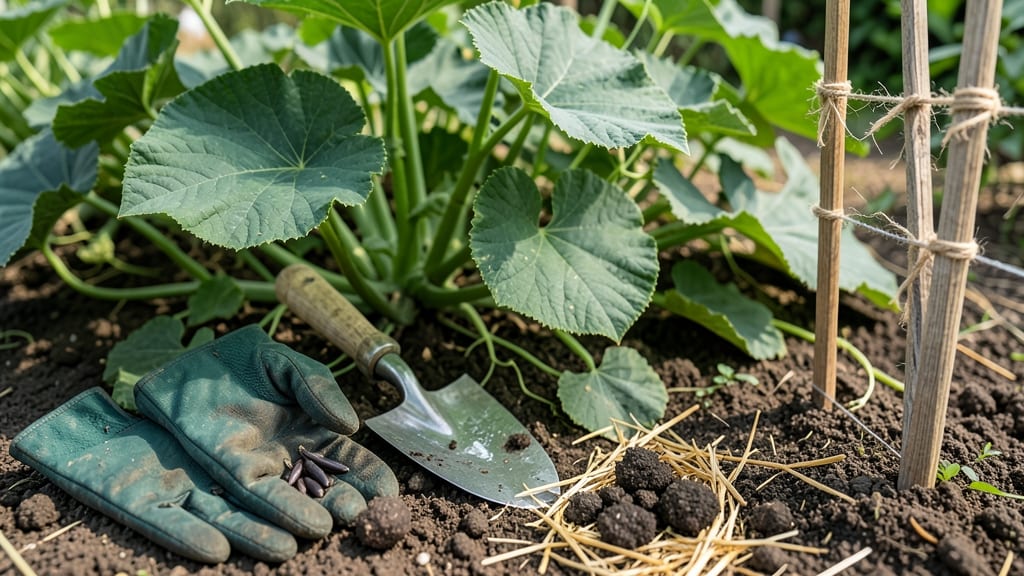
Timing when to plant cucumber seeds in North Carolina isn’t just about waiting for spring—it’s about avoiding frost’s wrath or scorching summer heat that can ruin your harvest. The wrong window means either watching your seedlings freeze or struggling with plants wilting under 90°F+ soil.
Here’s the exact science behind NC’s frost-free deadlines, so you can plant with confidence and enjoy fresh cucumbers from June through October.
North Carolina’s climate varies wildly from the Coastal Plain to the Mountains, meaning your neighbors’ planting dates might not work for you.
Whether you’re in Zone 6a (where frost lingers into April) or Zone 8b (where summer arrives early), soil temperature and last frost dates dictate the perfect moment to drop those seeds. We’ll break down the ideal planting windows for each region—plus how to stretch your harvest with smart tricks.
You might think cucumbers are low-maintenance, but NC’s humidity and heat can turn them into a gardener’s nightmare if planted too late. The key is soil warmth (wait until it hits 60°F) and knowing when to start seeds indoors versus direct-sowing outside.
I’ll share my pro tips for extending your growing season, whether you’re dealing with late frosts or early blistering sun—so you can enjoy homegrown cucumbers longer than ever.
Ready to skip the guesswork? Let’s dive into the exact planting schedule that’ll have your cucumbers thriving, no matter where in NC you’re growing.
Spoiler: The difference between a bountiful harvest and a bust is often just a few weeks of timing—and I’ve got the details to make sure you win.
NC cucumber planting deadlines by microclimate: frost-free zones & last spring frost dates
North Carolina’s climate isn’t one-size-fits-all—its 5 distinct microclimates can shift cucumber planting windows by up to 6 weeks. Whether you’re in the humid Coastal Plain or the cooler Mountains, timing is critical to avoid frost damage or heat stress.
Let’s break down the frost-free deadlines for each zone, including soil temperature and heat tolerance thresholds.
Cucumbers thrive when soil temperatures hit at least 60°F—any cooler, and germination stalls. In Zone 8b (Coastal Plain), you can plant as early as mid-March, while Zone 6a (Mountains) waits until mid-May. Miss these windows, and you risk poor yields or wilted vines from summer heat.
Here’s the exact frost-free planting window for NC’s 5 key regions, including last frost dates and ideal soil temps for germination:
For fall harvests, aim to plant July 1–August 15 in all zones—this gives cucumbers 60–75 days to mature before the first frost (mid-October in Zone 8b, November in Zone 6a). Use heat-tolerant varieties like ‘Straight Eight’ or ‘Marketmore’ to push yields in late summer.
Pro tip: Test soil temperature with a soil thermometer before planting. If it’s below 60°F, wait—cold soil delays germination by weeks. In Zone 8b, I’ve seen seeds take 14+ days to sprout when planted too early!
If you’re in Zone 6a (Mountains), consider starting seeds indoors 3–4 weeks before the last frost. Transplant seedlings when soil warms to 65°F—this cuts the growing season short but ensures a harvest before frost.
Direct-sowing works best in warmer zones (Coastal Plain, Tidewater). Scatter 3–4 seeds per hill, 1 inch deep, and 12 inches apart. Thin to the strongest seedling per hill to avoid crowding and disease. Mulch with black plastic to warm soil faster—this can shave 1–2 weeks off your planting window!
Watch for heat stress after 90°F+ days—wilting leaves and bitter fruit are red flags. In Zone 8b, I use shade cloth (30–50%) to protect vines during peak summer heat. Pair this with drip irrigation to keep roots cool.
Now that you’ve got your microclimate deadline, the next step is extending your season—whether that means succession planting or choosing the right heat-tolerant varieties. Let’s dive into those strategies next!
How to extend your cucumber growing season in NC: succession planting & heat-tolerant varieties
North Carolina’s short growing season and intense summer heat can limit cucumber harvests, but with the right strategies, you can enjoy fresh cucumbers from early June to late October.
The key is succession planting and choosing heat-tolerant varieties like ‘Straight Eight’ or ‘Lemon Cucumber,’ which thrive in NC’s 90°F+ temperatures.
Start by planting two batches of seeds: one in late April to early May (after frost risk passes) and another in mid-July for a fall harvest. This staggered approach ensures continuous production while avoiding the peak heat stress of August.
For coastal areas like Zone 8b, you can even squeeze in a third planting in early September.
🌱 Extend Your Harvest with These Pro Tips
- Use black plastic mulch to warm soil 5-10°F faster, speeding up germination in cool spring soil.
- Install shade cloth (30-50%) in July-August to protect plants from heat stress and sunscald.
- Trellis vines vertically to improve air circulation and reduce disease risk in NC’s humid summers.
- Choose bush varieties like ‘Bush Champion’ for smaller spaces or container gardening.
- Harvest every 2-3 days to prevent overripe cucumbers and encourage continuous production.
If you’re in Zone 6a (mountains) or Zone 7a (Piedmont), consider using row covers or cold frames to push your spring planting 2-3 weeks earlier. These tools create a microclimate that protects young seedlings from late frost while still allowing sunlight to penetrate.
For fall plantings, opt for heat-tolerant varieties that can handle cooler nights without bolting.
Watch for heat stress signs like yellowing leaves, drooping vines, or bitter-tasting fruit. These are red flags that your cucumbers need shade or extra water.
In Zone 8b (coastal), where humidity is high, mulch heavily to prevent soil-borne diseases like powdery mildew, which thrives in NC’s sticky summer air.
For container growers, use large pots (15+ gallons) with self-watering features to maintain consistent moisture—a critical factor in NC’s unpredictable summer rains. Place containers in partial shade during peak afternoon heat (1 PM–5 PM) to avoid fruit scorching.
With these adjustments, you can double your harvest and enjoy cucumbers well into October.
Don’t forget to save seeds from your best-performing plants! NC’s diverse microclimates can help you develop locally adapted varieties over time. Just let a few cucumbers mature fully on the vine before harvesting seeds for next year’s early planting.