
Plants
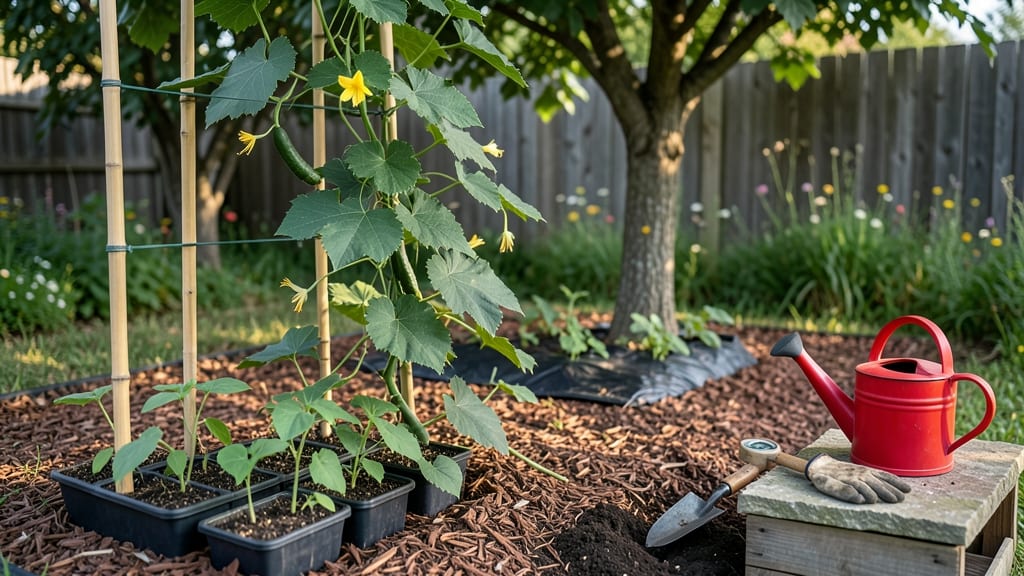
Figuring out when to plant cucumbers in Zone 8 can feel like guessing—plant too soon, and frost zaps your seedlings; too late, and summer heat turns your 🥒 into bitter, seedy disappointments. The sweet spot? A narrow window where soil warmth and cooler evenings align perfectly for vigorous growth.
Here’s the secret: Zone 8’s mid-spring to early summer window (typically after March 15) is your best bet for spring plantings, but late summer offers a second chance for fall harvests.
I’ll break down the exact dates, soil temperature tricks, and how to stretch your harvest season—no more wasted plants or bolted vines.
Why does timing matter so much? Cucumbers hate cold soil (60°F is the magic number) and bolt (flower prematurely) when stressed by heat or drought. With the right schedule, you’ll skip the guesswork and enjoy crisp, sweet cucumbers straight from your garden all season.
Ready to ditch the trial-and-error? Let’s dive into the proven planting calendar, variety picks, and pro tips to turn your Zone 8 garden into a cucumber powerhouse—no bitter surprises included.
Optimal cucumber planting dates in Zone 8: avoiding bolting and frost risks
In Zone 8, cucumbers thrive when planted after the last frost date—typically around mid-April to early May, depending on your exact location. The key is waiting until soil temperatures reach 60°F (15°C) to prevent seed rot and poor germination.
Coastal areas may have earlier windows, while inland regions should wait until late April to avoid lingering cold snaps.
For spring planting, aim to sow seeds 2-3 weeks before your last frost date indoors or direct-sow after frost when nighttime temperatures stay above 55°F (13°C). This ensures seedlings aren’t shocked by sudden cold.
In Zone 8, this usually lands between April 15 and May 10, but always check your local frost data for precision.
🌱 Pro Tip: Use a soil thermometer to confirm readiness—cucumbers won’t sprout below 55°F (13°C), and slow growth leads to bitter fruit.
Fall planting is a game-changer in Zone 8—sow seeds in late July or early August for a second harvest before the first frost (usually around November 15).
Choose heat-tolerant varieties like ‘Straight Eight’ or ‘Marketmore 76’ to handle summer’s lingering heat. Plant in well-draining soil with black plastic mulch to retain warmth and moisture.
🌡️ Warning: If daytime temps exceed 90°F (32°C) for more than a week, cucumbers may bolt (produce bitter fruit). Use shade cloth (30-50%) during peak heat to protect plants and maintain sweetness.
For container growing, start seeds in biodegradable pots 4-6 weeks before the last frost and transplant directly into 5-gallon containers with well-draining potting mix. Containers warm up faster than garden beds, so monitor soil temps closely—aim for 65°F (18°C) before planting.
💡 Expert Hack: Mix compost and aged manure into the soil before planting to boost fertility. Cucumbers are heavy feeders and need high-potassium fertilizer (like 5-10-10) every 4-6 weeks to prevent bolting and maximize yield.
In Zone 8’s coastal regions, like Southern California, you can plant as early as mid-March thanks to milder winters. Inland areas (e.g., Arizona or Texas) may wait until mid-April. Always check your local frost dates—a late frost can devastate young seedlings in just one night.
🌿 Final Tip: Mark your calendar for June 1 and August 15 as your ideal planting windows in Zone 8. Staggering plantings by 2 weeks ensures a continuous harvest and reduces the risk of bolting from heat stress.
Optimal cucumber planting dates in Zone 8: avoiding bolting and frost risks
In Zone 8, cucumbers thrive when planted after the last frost date—typically mid-April to early May—but soil temperature matters more than calendar dates. Cucumbers sprout best in soil that’s at least 60°F, which usually happens by late April to early May in most Zone 8 regions.
Planting too early risks frost damage, while waiting too long can lead to heat stress and bitter cucumbers.
For spring planting, aim for 2–4 weeks after your last frost date. Use a soil thermometer to confirm warmth—cold soil slows germination and invites rot. In Zone 8a (cooler microclimates), wait until mid-May; in Zone 8b (warmer areas), you can start as early as late April.
| Stage | Action | Key Notes |
|---|---|---|
| Soil Prep | Test soil pH (6.0–6.8) | Add compost; avoid fresh manure |
| Direct Sow | Seed ½" deep, 2–3 seeds per hill | Space hills 3–4 ft apart for vining types |
| Transplant | Hardened seedlings after last frost | Use black plastic mulch to warm soil faster |
| Fall Planting | Sow 60–90 days before first frost | Choose fast-maturing varieties like 'Bush Champion' |
Fall planting in Zone 8 is a game-changer for a second harvest. Start seeds late July to early August for a late-September to October harvest, before temperatures drop below 50°F.
Use shade cloth (30–50%) in peak summer to protect seedlings from heat stress. Varieties like ‘Straight Eight’ or ‘Marketmore 76’ tolerate cooler fall temps better than others.
Pro tip: Succession plant every 2 weeks in spring and fall to stagger harvests. This ensures a continuous supply of fresh cucumbers instead of one overwhelming bounty. For example, plant 3 sets of seeds in May (weeks 1, 3, and 5) to spread out your harvest through July.
Watch for soil temperature drops after planting—cucumbers wilt if soil cools below 55°F at night. Use row covers or mulch to maintain warmth. In inland Zone 8 areas, afternoon heat can cause bolting (premature flowering), so provide afternoon shade during extreme heat waves (above 90°F).
Remember: Zone 8’s long growing season lets you experiment with unusual varieties like ‘Armenian’ cucumbers or ‘Lemon’ cucumbers, which thrive in heat. Just adjust planting dates to avoid overlapping harvests—aim for 60–70 days between plantings for a steady supply.