Plants
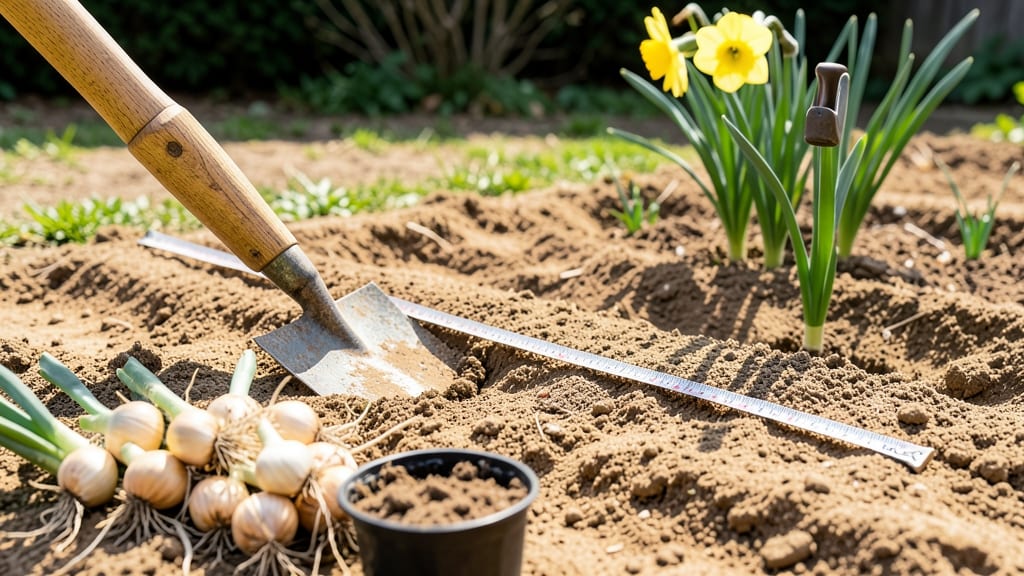
Best planting months for daffodils in California’s coastal vs inland zones
California’s diverse climate means daffodil bulb planting timing can’t be one-size-fits-all. In coastal regions like San Francisco or Monterey, where fog lingers and winters are mild, you’ve got until December 1st to plant.
Meanwhile, inland areas like the Central Valley or Southern California deserts need bulbs in the ground by October 15th—before the first 60°F soil temperature drop triggers early sprouting.
This regional divide exists because coastal daffodils rely on winter rains to wake from dormancy, while inland bulbs must establish roots before summer’s heat returns.
Even within zones, microclimates matter: San Diego’s coastal areas can plant later than Palm Springs’ desert floors, where frost is rare but heat stress is constant.
Here’s the breakdown you need to avoid rot or missed blooms—whether you’re in USDA Zone 9b (coastal) or Zone 10a (inland).
| Region | Best Planting Window | Soil Temp Threshold | Key Trigger | Pro Tip |
|---|---|---|---|---|
| Northern California Coastal (San Francisco, Monterey) | October 15 – December 1 | Below 60°F | Winter rains | Mulch after planting to retain moisture. |
| Northern California Inland (Sacramento, Central Valley) | October 1 – October 15 | Below 65°F | Soil cooling | Choose early-blooming varieties (e.g., ‘Tête-à-Tête’). |
| Southern California Coastal (Los Angeles, Santa Barbara) | November 1 – December 15 | Below 58°F | Light frosts | Avoid clay soils—amend with compost. |
| Southern California Inland (Palm Springs, Coachella Valley) | September 15 – October 30 | No frost risk | Consistent moisture | Use drip irrigation to prevent drought stress. |
| Desert Zones (Death Valley, Joshua Tree) | August 1 – September 15 | N/A (no frost) | Monsoon prep | Plant in shade cloth for first 30 days. |
If you’re in Zone 9b or 10a, aim for October–November—this is the sweet spot for most California gardeners. Bulbs need 6–8 weeks to root before winter rains or frost arrive.
For example, in San Diego, planting by November 15th ensures blooms by March, while Sacramento gardeners should finish by October 10th to avoid heat stress.
Miss the window? Don’t panic. January planting is possible in coastal areas (like Big Sur), but bulbs may bloom later or produce fewer flowers. Inland, January planting risks rot from winter rains without established roots.
Pro move: Test your soil temperature with a soil thermometer (aim for 55–60°F). Coastal gardeners can wait longer because fog keeps soil cooler, while inland areas need to act faster—heat waves can push soil temps above 70°F, shocking bulbs into premature growth.
For container growing, adjust timing by 2–4 weeks earlier—pots heat up faster. And if you’re in high-elevation areas (like Lake Tahoe), plant by September 15th to avoid early snow or freezing soil.
Remember: Daffodils are hardy, but timing is 80% of success in California’s unpredictable climate. Get it right, and you’ll reward yourself with vibrant spring blooms—just in time for March garden tours or Easter celebrations.
How soil temperature and rainfall affect daffodil bulb success
Daffodil bulbs thrive when soil temperatures drop below 60°F, signaling it’s time to start root growth. In California, this typically happens in late October for inland areas but can stretch into November along cooler coastal regions like San Francisco.
If you plant too early, bulbs may rot in warm soil, while late planting risks insufficient root establishment before winter rains.
Winter rainfall is another critical factor. Coastal areas like Santa Barbara receive consistent moisture, while inland valleys such as Fresno may need supplemental watering. Bulbs planted just before the first significant rains (October-November) benefit from natural hydration, reducing your need to water manually during dormancy.
Soil moisture levels also influence bloom timing. In drier inland zones, bulbs planted in September may bloom earlier due to warmer soil, while coastal bulbs planted in November often wait until March-April for cooler, wetter conditions to trigger flowering.
| Region | Ideal Soil Temp | Planting Window | Rainfall Trigger |
|---|---|---|---|
| Coastal (SF, LA) | 55-60°F | Nov-Dec | Oct-Nov rains |
| Inland (Sacramento, Fresno) | 58-62°F | Oct | Dec-Jan rains (supplemental water) |
| Desert (Palm Springs) | 60-65°F | Sep-Oct | Manual watering |
Use a soil thermometer to check depth (4-6 inches), as surface temps can mislead. Inland areas often need earlier planting because soil cools faster than coastal zones, where marine layers delay temperature drops. Adjust your schedule by 2-4 weeks if your region has unpredictable rainfall patterns.
For Southern California, where winters are shorter, opt for early-blooming varieties like 'Tête-à-Tête' or 'February Gold' to ensure flowers appear before heat returns. In Northern California, later varieties like 'Ice Follies' can wait until December for cooler conditions.
Monitor local weather forecasts for first frost dates. Coastal areas rarely see frost, but inland valleys may experience light freezes. Plant bulbs 6-8 weeks before the average frost date to give roots time to establish without risking damage.