
Plants
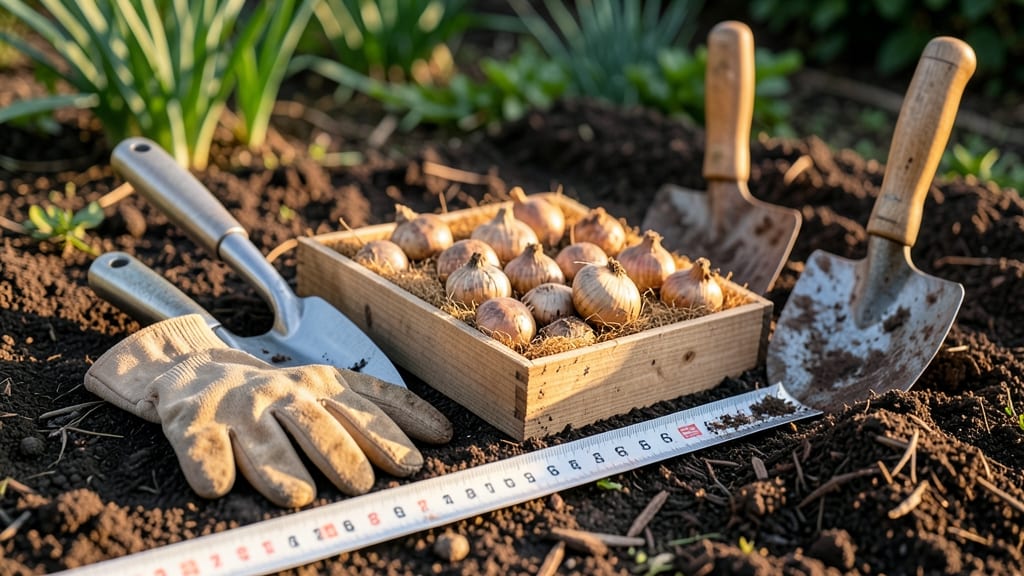
If you've ever wondered when to plant daffodil bulbs in Georgia, timing is the secret to those cheerful spring blooms you dream about.
Georgia's warm winters and humid summers create a unique challenge—plant too early, and your bulbs may rot in soggy soil; wait too long, and frost can ruin their chances before they even sprout.
For gardeners in USDA zones 7b-8b, the ideal window stretches from late October through November, but local microclimates can shift that deadline by weeks. Whether you're in Atlanta's cooler hills or Savannah's balmy coastal plains, knowing your county's last frost date is key to success.
Let me show you exactly how to match your planting schedule to Georgia's climate quirks.
Beyond the calendar, soil temperature and moisture levels play a crucial role. We'll cover how to test your soil's readiness and why planting depth matters in Georgia's heavy clay or sandy soils.
With the right preparation, your daffodil bulbs will establish strong roots before winter sets in—setting the stage for vibrant 🌼 displays next spring.
Ready to transform your yard into a sea of color? I'll walk you through everything from selecting the best bulb varieties for Georgia's heat to creating a planting plan that accounts for your specific county's frost patterns. Let's get those bulbs in the ground at the perfect moment.
Georgia daffodil planting deadlines by USDA hardiness Zone (with county-specific maps)
Daffodils (🌼) thrive in Georgia’s mild winters, but timing your fall planting is critical—especially across the state’s USDA zones 7b-8b. Northern counties like Dalton (Zone 7b) need bulbs in the ground by late October, while southern Brunswick (Zone 8b) can wait until early December.
The key? Plant 4-6 weeks before your first frost.
Georgia’s last-frost dates vary wildly: Atlanta averages November 15th, while Savannah’s frost-free season extends until January 10th. Use these dates as your planting deadline anchor—count backward to find your perfect window. For example, if frost hits Savannah on January 10th, aim for mid-November planting.
Here’s the county-by-county breakdown you need to avoid soggy soil or frost damage:
| County | USDA Zone | Ideal Planting Window | Last Frost Date | Soil Temp Threshold |
|---|---|---|---|---|
| Fulton (Atlanta) | 7b | October 15–November 15 | November 15 | 50–60°F |
| Chatham (Savannah) | 8b | November 1–December 10 | January 10 | 55–65°F |
| Richmond (Augusta) | 8a | October 30–November 20 | December 1 | 52–62°F |
| Whitfield (Dalton) | 7b | October 1–October 31 | November 5 | 50–60°F |
| Glynn (Brunswick) | 8b | November 15–December 15 | January 15 | 55–65°F |
Pro tip: Use a soil thermometer to confirm your garden bed has cooled to 60°F or below. Georgia’s humid subtropical climate means soil stays warm longer—don’t rush! Wait for consistent 50–60°F nights to plant.
For northern Georgia (Zones 7a–7b), prioritize October planting. In southern Georgia (Zones 8a–8b), you’ve got until mid-December, but act by Thanksgiving for best results. Miss the window? Wait until early spring (February), but expect smaller blooms.
Planting too early? Bulbs may sprout prematurely and rot in Georgia’s warm, wet soils. Too late? Frost will kill emerging shoots before spring blooms. Aim for that sweet spot where soil is cool but not frozen.
Need a visual guide? Check the Georgia Climate Toolkit (link in resources) for your county’s historical frost maps. Overlay it with your garden’s microclimate—low spots frost earlier, while south-facing beds stay warmer.
Remember: Bulb quality matters. Choose firm, plump daffodils (no soft spots!) from reputable nurseries. Georgia’s clay-heavy soils? Amend with compost or sand to improve drainage—critical for preventing bulb rot.
Once planted, mulch heavily (3–4 inches) with straw or pine needles to insulate bulbs through winter. This extends your planting window by 1–2 weeks in colder zones.
5 Critical signs your Georgia soil is ready for daffodil bulbs (before you dig)
Before you dig in, Georgia’s humid climate and heavy soils demand you check for these 5 key readiness signs. Skipping this step risks soggy bulbs or frost damage—neither ends with cheerful spring blooms. Let’s test your soil’s temperature, moisture, and structure like a pro.
First, grab a soil thermometer—the #1 sign of readiness is consistent 50–60°F nighttime temps. Georgia’s warm fall soils can fool you; wait until mornings dip below 65°F for 3 consecutive days.
Pro tip: Check temps at 10 AM and 4 PM—this mimics the daily shift bulbs experience.
🌱 Visual Element: Pros-Cons Box 🌱
- Test soil at 6-inch depth (bulb planting level)
- Wait for dry surface after rain (avoid mud)
- Amend clay soil with compost or sand (1:1 ratio)
- Plant in well-draining spots (avoid low areas)
- Use a soil probe to check moisture 2" down
- Planting in soggy soil (bulbs rot in 48 hours)
- Ignoring last frost dates (check local almanacs)
- Skipping mulch in cold zones (Zone 7b+)
- Using fresh manure (burns bulbs—use compost instead)
- Planting too shallow (<3" deep = frost risk)
Next, dig a 2-inch test hole—if the soil sticks to your shovel or feels slimy, it’s too wet. Georgia’s clay-heavy soils (common in Atlanta and Augusta) need amendments like pine fines or coconut coir to improve drainage.
A quick fix: Mix 1 part compost with 2 parts native soil before planting.
Listen for the squelch test: Step on your garden bed. If your foot leaves a deep imprint, wait 1–2 weeks for evaporation. Southern Georgia’s Zone 8b (Savannah, Brunswick) can handle slightly moister soils, but northern zones (7a–7b) demand drier conditions to prevent rot.
Finally, check for pests and diseases—Georgia’s humidity breeds bulb rot fungi. Look for white mold or black spots on existing plants. If you spot these, solarize the soil (cover with clear plastic for 4 weeks) or plant in raised beds with sterile potting mix.
Ready to plant? Your soil passes if it’s cool, crumbly, and pest-free. For extra insurance, plant daffodil bulbs in clusters—this confuses squirrels (a common Georgia pest) and creates a vibrant display next spring. Now grab those 🌼 and dig in!